
Let’s talk about keeping your lake house well-lit and usable, even when the heavens open. The short answer to what you need for rainy day lake house lighting is simple: properly rated waterproof fixtures, strategically placed, with thoughtful control options. It’s about more than just keeping the rain out; it’s about making your space functional, safe, and enjoyable no matter the weather.
Why Waterproof Lighting Isn’t Just for Looks
When you’re dealing with a lake house, especially one prone to rain, regular lighting simply won’t cut it for outdoor or semi-exposed areas. Water and electricity are a dangerous combination, and even dampness can significantly shorten the lifespan of fixtures. Beyond safety, there’s the practical aspect: being able to see where you’re going, set up a covered outdoor space, or simply enjoy the ambiance without worrying about your lights Mypetyourpet shorting out. It’s about enhancing usability and ensuring longevity.
Understanding IP Ratings: Your First Line of Defense
This is probably the most crucial technical bit you’ll encounter, but it’s not complicated. IP ratings (Ingress Protection ratings) tell you exactly how well a fixture is protected against solids (like dust) and liquids (like water). For a lake house, especially anywhere near the elements, you need to pay close attention to these numbers.
Decoding the Numbers
An IP rating looks like “IP65” or “IP44.” The first digit indicates protection against solids, and the second digit indicates protection against liquids.
Solid Protection (First Digit)
- 0: No protection.
- 1: Protected against solid objects greater than 50mm (e.g., accidental touch by hand).
- 2: Protected against solid objects greater than 12.5mm (e.g., fingers).
- 3: Protected against solid objects greater than 2.5mm (e.g., tools, thick wires).
- 4: Protected against solid objects greater than 1mm (e.g., most wires, screws).
- 5: Dust protected. Limited ingress of dust permitted.
- 6: Dust tight. No ingress of dust.
Liquid Protection (Second Digit)
- 0: No protection.
- 1: Protected against vertically falling water drops (e.g., condensation).
- 2: Protected against vertically falling water drops when tilted up to 15° (e.g., light rain at an angle).
- 3: Protected against spraying water (e.g., light spray, but not direct jets).
- 4: Protected against splashing water (e.g., rain from any direction).
- 5: Protected against water jets (e.g., hose nozzle).
- 6: Protected against powerful water jets (e.g., heavy seas, powerful hoses).
- 7: Protected against the effects of temporary immersion (e.g., up to 1 meter for 30 minutes).
- 8: Protected against the effects of continuous immersion (e.g., underwater lighting for ponds).
What You Really Need for a Lake House
For most outdoor lake house applications, you’ll want at least IP44 for sheltered but exposed areas, like a covered porch. For areas directly exposed to rain and splashes, like an open deck or near the dock, aim for IP65 or IP66. If you’re thinking about underwater dock lighting or features, then IP67 or IP68 are your targets. Don’t skimp here; it’s crucial for safety and longevity.
Strategic Placement: Lighting Up Key Rainy Day Zones
It’s not just about what lights you use, but where you put them. Thinking about how you use your lake house on a rainy day will guide your placement strategy.
Covered Porches and Patios
This is often your primary rainy day refuge. You want enough light for reading, board games, or just enjoying the view, without it feeling harsh.
Ceiling Fixtures (Flush Mount or Semi-Flush)
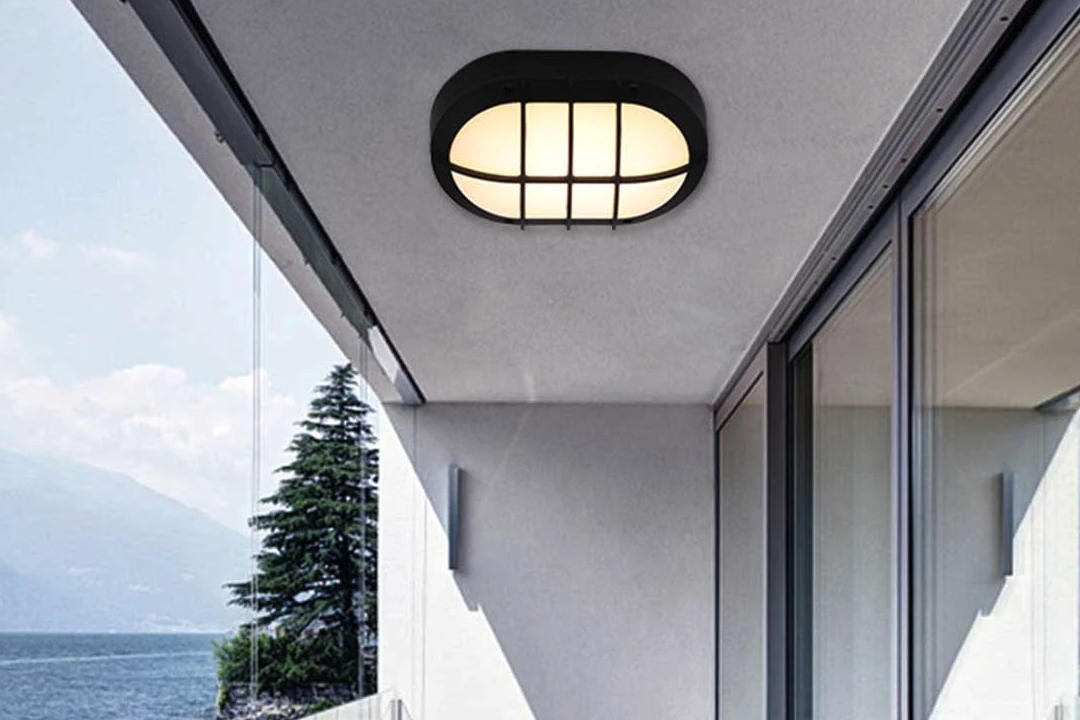
These are great for general illumination. Look for IP44 or IP54 ratings here. You can opt for dimmer-compatible fixtures to adjust the mood.
Wall Sconces
Excellent for adding ambient light and highlighting architectural features. Again, IP44 is a good baseline, higher if they’re very exposed.
String Lights (Under Eaves)
Even in a covered area, string lights add a cozy atmosphere. Ensure they are explicitly rated for outdoor use (often IP44 or IP65). Install them under the eaves or a roofline for extra protection.
Entryways and Pathways
Navigating wet, potentially slippery paths in low light is an accident waiting to happen. Good lighting here is paramount for safety.
Pathway Lights
Low-level path lights illuminate the walking surface without blinding you. Solar pathway lights are convenient, but ensure they have a decent IP rating (IP65 is good) and are designed to withstand constant moisture. Wired options tend to be more reliable in terms of consistent brightness.
Step Lights
If you have steps leading to or from the house, integrated step lights are fantastic. They cast light directly on the treads, highlighting each step. These need to be robust, so IP65 or higher.
Overhead Entry Lights
A sturdy, waterproof lantern or flush mount fixture at each entryway ensures you can see locks and keys clearly. An IP44 or IP54 rating is usually sufficient here if under an overhang.
Docks and Waterfront Areas
This is where lighting gets serious. Water, movement, and often less sheltered conditions mean you need the highest protection.
Pedestal or Bollard Lights
These are short, sturdy posts that provide illumination along the dock. They should be highly waterproof (IP65 or IP66) and resistant to impact.
Recessed Dock Lights
These fit flush into the dock surface, minimizing tripping hazards and providing excellent guidance. They require very high IP ratings (IP67 or IP68) because they’ll be constantly exposed to splashes and potentially submerged.
Underwater Lights
For ambient glow or highlighting marine life, underwater lights can be stunning. These absolutely need an IP68 rating. Installation can be more complex and often requires professional help.
Outdoor Kitchens and Grilling Stations
Even on a rainy day, the desire for a grilled meal or fresh-air cooking often persists. You need task lighting here.
Task Lighting Under Cabinets/Shelves
Waterproof LED strips or puck lights can illuminate your work surfaces. IP65 rated strips are common and effective.
Overhead Lighting
A dedicated overhead fixture, usually a robust flush mount or a marine-grade pendant, will provide general light for the area. Aim for IP54 or IP65.
Powering Your Lights: Practical Considerations
Beyond the fixtures themselves, how you power and control them is just as important, especially in a damp environment.
Low Voltage vs. Line Voltage
Low voltage (12V or 24V) systems are generally safer for DIY outdoor installations, especially around water. The transformers convert standard 120V household current down to a safer level. Line voltage (120V) systems offer brighter light and fewer voltage drop issues over long runs, but require stricter adherence to electrical codes and often professional installation.
Wiring and Connections
This is critical. All outdoor wiring needs to be rated for outdoor use (e.g., UF-B cable). Connections must be sealed with waterproof connectors and junction boxes. Don’t use indoor-rated extension cords outdoors, even temporarily. Always use GFCI (Ground Fault Circuit Interrupter) outlets for any outdoor lighting – they’re a life-saver in case of an electrical fault caused by water.
Solar Lighting: Pros and Cons
Solar lights are appealing because they’re easy to install and don’t require trenching for wires. However, their reliability can be a trade-off.
Advantages
- Easy Installation: No wiring required.
- Eco-Friendly: Uses renewable energy.
- Cost-Effective: No electricity bills for the lights.
Disadvantages
- Dependence on Sunlight: Performance drops significantly on cloudy or rainy days, which is exactly when you need them most.
- Limited Brightness: Often not as bright or consistent as wired options.
- Battery Lifespan: Batteries will need replacement eventually.
For critical areas like entryways or docks, a wired system is generally more reliable. Solar lights can be great for accent lighting in less critical areas, provided they have a good IP rating.
Control and Smart Features: Enhancing Convenience and Safety
On a rainy day, the last thing you want to do is fumble around in the dark or trek out to turn lights on. Smart controls can make a huge difference.
Dimmers
Crucial for setting the right ambiance. From a cozy glow for a quiet evening to brighter light for cleaning up, dimmers offer versatility. Ensure your fixtures and bulbs are dimmer-compatible.
Timers and Photo Sensors (Dusk-to-Dawn)
Automating your lights means you don’t have to think about them. Photo sensors turn lights on when it gets dark and off at dawn, which is perfect for security and convenience. Timers allow for more specific scheduling.
Motion Sensors
Excellent for security and energy saving. Lights only come on when movement is detected, startling potential intruders and guiding you safely to your door. For lake houses, though, consider placement carefully to avoid false triggers from wildlife.
Smart Home Integration
Connecting your outdoor lights to a smart home system (like Apple HomeKit, Google Home, or Amazon Alexa) allows for voice control, scheduling, and remote access. Imagine turning on your deck lights from inside the house before stepping out into the rain, or checking if your dock lights are off from miles away. Many outdoor smart plugs and smart bulbs are available with robust IP ratings.
Materials and Aesthetics: Durability Meets Design
While functionality is key, you also want your lighting to look good and withstand the lake environment.
Corrosion Resistance
The high humidity and potential for salt air (even freshwater lakes can have corrosive elements from fertilizers or nearby industries) means materials matter.
Aluminum
A popular choice, especially marine-grade aluminum, which is treated for corrosion resistance. It’s lightweight and comes in various finishes.
Stainless Steel
Very durable and corrosion-resistant, but can be more expensive. Look for 316-grade stainless steel for the best resistance to pitting and rusting, especially near the water.
Brass and Copper
These naturally resist corrosion and develop a beautiful patina over time. They are often more expensive but offer a classic, timeless look.
UV-Resistant Plastics
Many modern fixtures use durable, UV-resistant plastics that won’t crack or yellow with sun exposure. They are typically more affordable.
Style and Integration
Your outdoor lighting should complement your lake house’s architectural style. Whether it’s rustic, modern, or classic, there are waterproof fixtures to match. Think about how the lights blend in during the day and how they illuminate at night. Integrated LED fixtures often have a sleeker profile and longer lifespan.
Maintenance and Longevity: Keeping Your Lights Shining
Even waterproof lights aren’t entirely set-and-forget. A little maintenance goes a long way in ensuring they continue to perform reliably.
Regular Cleaning
Over time, dust, pollen, and even algae can build up on fixtures, reducing light output and potentially damaging components. A simple wipe-down with a damp cloth a couple of times a year is usually sufficient.
Inspecting Wiring and Connections
Periodically check visible wiring for any signs of wear, cracking, or rodent damage. Ensure all connections in junction boxes are still sealed tightly. Look for any signs of water ingress around fixtures.
Bulb Replacement (for non-integrated LEDs)
If you’re using fixtures with replaceable bulbs, keep spares on hand. LED bulbs are generally very long-lasting, but eventually, they will fail. When replacing, ensure the new bulb’s wattage and type are compatible with the fixture.
Drainage Checks
For recessed fixtures or any areas where water might pool, ensure drainage holes are clear and functioning. Clogged drainage can lead to water accumulating and eventually damaging the fixture.
By prioritizing IP ratings, strategic placement, robust power systems, and a little ongoing care, you can ensure your lake house remains a bright, safe, and welcoming sanctuary, come rain or shine. Don’t let a little wet weather put a damper on your lake house enjoyment – good lighting makes all the difference.