
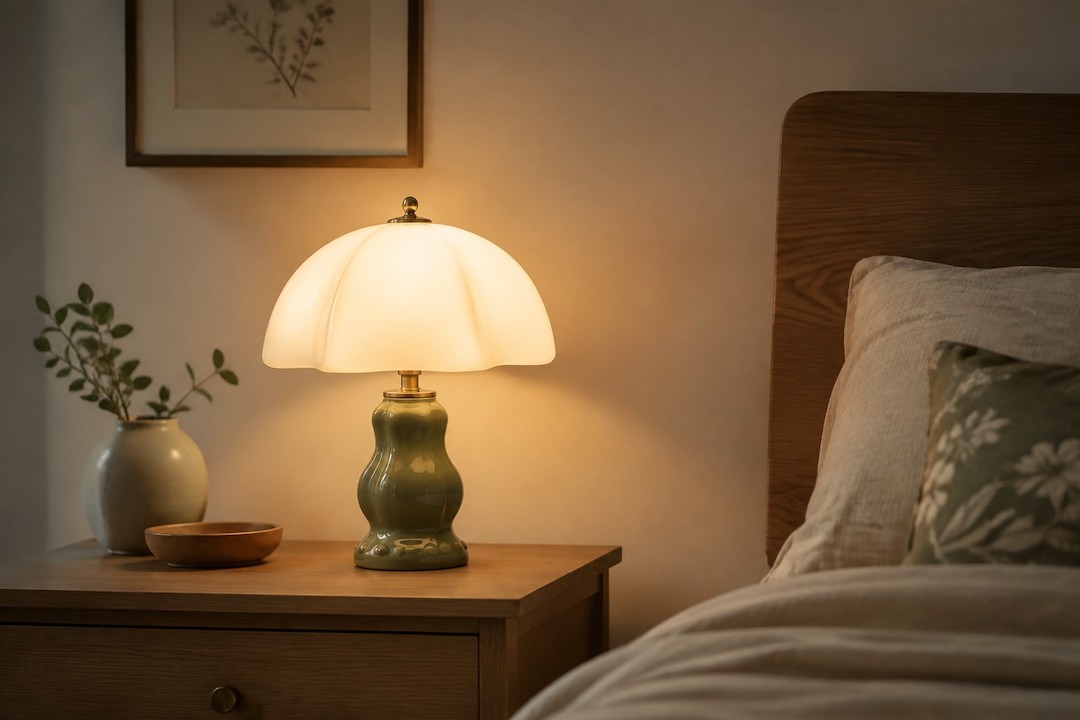
Let’s talk about the space-saving wavy base mushroom lamp – it’s a neat little lighting solution that blends style and practicality, especially if you’re working with a smaller living area or just appreciate clean design. Essentially, it’s a lamp designed with a compact footprint and often a soft, diffused light, making it perfect for adding ambient illumination without cluttering your space.
The Appeal of Compact Lighting
When you live in a smaller home, apartment, or even just have a cozy corner you want to illuminate, bulky lamps Hotedecor can be a real headache. They take up precious surface area and can make a room feel cramped rather than inviting. That’s where a space-saving lamp really shines. It’s not just about size; it’s about intelligent design that allows you to maximize your usable space while still getting the light you need. Think about those bedside tables that barely fit a glass of water – a compact lamp can be a game-changer there.
Why Size Matters for Modern Living
Modern living often means making the most of every square foot. Whether you’re in a city studio or just prefer a minimalist aesthetic, oversized furniture and accessories can quickly overwhelm a room. Space-saving lamps, by their very nature, respect your spatial limitations. They’re designed to be unobtrusive, providing light without becoming the dominant feature of a room, unless that’s your intention.
Beyond Just Small Spaces
Even if you have plenty of room, there’s a certain elegance to a well-proportioned lamp that doesn’t demand undue attention. It allows other design elements to breathe and contributes to an overall sense of calm and order. It’s about intentional design choices that enhance, rather than detract from, your living environment.
Understanding the “Mushroom Lamp” Aesthetic
The term “mushroom lamp” immediately conjures a specific image: a soft, rounded, often domed shade perched atop a base. This design is rooted in mid-century modern aesthetics, drawing inspiration from natural forms. It’s inherently organic and friendly, a far cry from the sharp angles you might see in more industrial designs. The wavy base adds another layer of visual interest, often mimicking ripples or gentle undulations, which can soften the overall look further.
A Nod to Mid-Century Modern
Many mushroom lamps owe their lineage to iconic designs from the mid-20th century. Think of the Panthella lamp by Verner Panton or the Atollo lamp by Vico Magistretti. These designs prioritized gentle curves, diffused light, and a sculptural quality. The wavy base iterations are often a contemporary twist on this classic form, introducing more dynamic lines without losing the inherent softness.
The Soft Glow: Diffusion is Key
One of the defining characteristics of a mushroom lamp is its ability to diffuse light. The domed shade typically encloses the bulb, directing the light downward and outward in a gentle, ambient glow. This isn’t usually a task light; it’s about creating atmosphere and warmth. This diffused light is easier on the eyes and creates a comfortable, inviting ambiance perfect for winding down in the evening.
The Wavy Base: A Stylish and Practical Twist
The “wavy base” isn’t just a stylistic flourish; it often plays a role in the lamp’s compact nature and visual appeal. These bases can be subtly textured or feature more pronounced undulations, adding a touch of dynamism to an otherwise simple silhouette. It’s a way to introduce visual interest without adding bulk.
Visual Interest Without Bulk
A flat, straight base can sometimes feel a bit static. Introducing a wavy element immediately makes the lamp feel more artistic and less purely functional. This subtle movement can draw the eye without making the lamp feel heavy or taking up more physical space than necessary. It’s about adding design sophistication in a clever way.
Material Choices and Their Impact
The material of the wavy base also plays a significant role. You might find ceramic bases with a glazed finish, giving them a handcrafted feel. Or perhaps a metal base with a ripple effect, offering a more contemporary, almost fluid look. Some might even incorporate frosted glass for an ethereal quality. Each material choice affects not only the aesthetics but also the lamp’s durability and how it integrates with different decor styles.
Finding the Right Spot: Placement Ideas
Because of its compact size and ambient light, a wavy base mushroom lamp is incredibly versatile. It’s not going to light up an entire room, but it will certainly enhance specific areas, creating focal points and adding warmth.
Bedside Tables and Nightstands
This is perhaps the most natural fit. A small, elegant lamp on your nightstand provides just enough light for reading without disturbing a sleeping partner and frees up valuable surface space for books, your phone, or a glass of water. The diffused light is also perfect for a gentle wake-up or wind-down routine.
Entryway Consoles and Sideboards
An entryway can often feel a bit utilitarian. Adding a mushroom lamp to a console table can instantly make it more welcoming. It provides a soft glow for dropping keys or mail and adds a decorative touch without overwhelming the space. The wavy base can even complement the lines of a vase or a decorative bowl.
Shelving Units and Bookcases
If you have open shelving or a bookcase, a compact lamp can break up the visual monotony and highlight certain display items. Tucked between books or decorative objects, it adds a layer of depth and interest. This is especially effective in creating a cozy reading nook or accentuating a gallery wall.
Desks and Workspaces
While not a primary task light, a mushroom lamp can provide excellent secondary lighting on a desk. It helps reduce eye strain by providing a softer, ambient glow that balances the brighter light of a monitor. It also serves as a stylish accessory, making your workspace feel more inviting and less strictly functional.
Practical Considerations Before Buying
Before you get swept away by the aesthetics, it’s wise to consider a few practical points to ensure your wavy base mushroom lamp is a good fit for your needs and space.
Size and Scale
Even though we’re talking about space-saving, there’s still a range of sizes within this category. Measure your intended surface. Will the lamp overpower it, or will it sit comfortably? Consider the height as well – too short and its light might be obscured; too tall and it might feel out of place. A good rule of thumb is to ensure it doesn’t extend beyond the edges of the surface it’s on.
Light Output and Bulb Type
As mentioned, most mushroom lamps offer diffused, ambient light. This isn’t usually the lamp you’d use for intricate tasks. Check the recommended bulb wattage and type (LED is often the most energy-efficient and long-lasting). Some lamps might have integrated LEDs, meaning the bulb isn’t replaceable, which is something to consider for longevity. Look for dimmable options if you want more control over the mood.
Cord Management
A beautiful lamp can be ruined by a tangled, unruly cord. Look for lamps with thoughtful cord placement or consider ways to discretely tuck the cord away. Some modern designs might even incorporate battery power, offering ultimate flexibility in placement, though you’ll need to remember to recharge them.
Material Durability and Cleaning
Consider the materials. A ceramic base might chip if knocked, while a metal base could scratch. Think about how easy it will be to clean. A simple, smooth surface will be easier to dust than a heavily textured wavy base. If it’s going in a high-traffic area, choose something robust.
Price Point and Budget
Like any decor item, these lamps come in a wide range of prices. You can find very affordable options that are mass-produced, or invest in higher-end designer pieces. Set a budget and explore options within that range. Remember that sometimes a slightly higher investment means better build quality and longer-lasting appeal.
Integrating with Your Existing Decor
A stylish lamp should complement, not clash with, your current decor. The beauty of the mushroom lamp’s often minimalist form is its adaptability, but the wavy base adds a unique character that can either blend seamlessly or provide a delightful contrast.
Harmonizing with Modern and Minimalist Styles
The clean lines and organic shapes of a mushroom lamp, especially one with a subtle wavy base, are a natural fit for modern, minimalist, and Scandinavian-inspired interiors. They contribute to a sense of calm and uncluttered elegance. Opt for neutral colors like white, beige, or soft grey for a cohesive look.
Adding a Touch of Softness to Industrial Spaces
Industrial decor, with its emphasis on raw materials and utilitarian design, can sometimes feel a bit cold. A mushroom lamp, with its diffused light and rounded form, can introduce a much-needed element of softness and warmth. A wavy metallic base could even bridge the gap between the two styles nicely.
A Contemporary Twist in Traditional Settings
Even in more traditional settings, a mushroom lamp can work as a subtle contemporary accent. If your decor leans traditional but you want to introduce modern elements without a complete overhaul, a lamp like this can be a quiet, effective way to do it. Look for options with more classic finishes or colors.
Creating Thematic Cohesion
If you’re aiming for a specific theme, such as a bohemian aesthetic, a lamp with a natural-looking wavy base (perhaps in unglazed ceramic or wood) could contribute to that organic, relaxed feel. The shape itself is very reminiscent of nature, so it can easily tie into themes that celebrate the outdoors.
Maintenance and Care for Longevity
To ensure your wavy base mushroom lamp remains a stylish lighting solution for years to come, a little routine care goes a long way. These aren’t high-maintenance items, but some basic attention will keep them looking their best.
Regular Dusting
The most basic and perhaps most important step is regular dusting. Dust can accumulate on both the shade and the base, dulling the lamp’s appearance and potentially affecting light output. A soft, dry cloth or a microfibre duster is usually sufficient. For more intricate wavy bases, a soft brush (like a clean paintbrush) can help get into crevices.
Cleaning the Shade
If your shade is plastic, metal, or glass, it can usually be wiped down with a slightly damp cloth (ensure the lamp is unplugged first). For fabric shades, check the manufacturer’s recommendations. Some might be spot-cleaned, while others might require more specialized care. Avoid harsh chemicals unless explicitly stated as safe for the material.
Base Care Based on Material
- Ceramic: Wipe with a damp cloth. Avoid abrasive cleaners that could scratch glazes.
- Metal: A soft cloth and mild cleaner are usually fine. If it’s a brushed finish, wipe in the direction of the grain. Watch out for fingerprints, especially on polished metals.
- Wood: Dust regularly. If it needs cleaning, a slightly damp cloth followed by a dry one will do. Avoid excessive moisture.
- Glass: Glass shades and bases can be cleaned with a glass cleaner, but again, ensure the lamp is unplugged and fully dry before plugging it back in.
Bulb Replacement
When it’s time to replace the bulb, always ensure the lamp is unplugged and the old bulb has cooled down. Use the correct wattage and bulb type specified by the manufacturer. Using an incorrect bulb could pose a fire hazard or damage the lamp’s components. If it has integrated LEDs, refer to the manufacturer’s instructions regarding their lifespan and whether repair/replacement is possible.
By keeping these points in mind, you can confidently choose a wavy base mushroom lamp that not only looks great but also fits seamlessly into your home and lifestyle. It’s a smart choice for adding both light and character without compromising on space.