
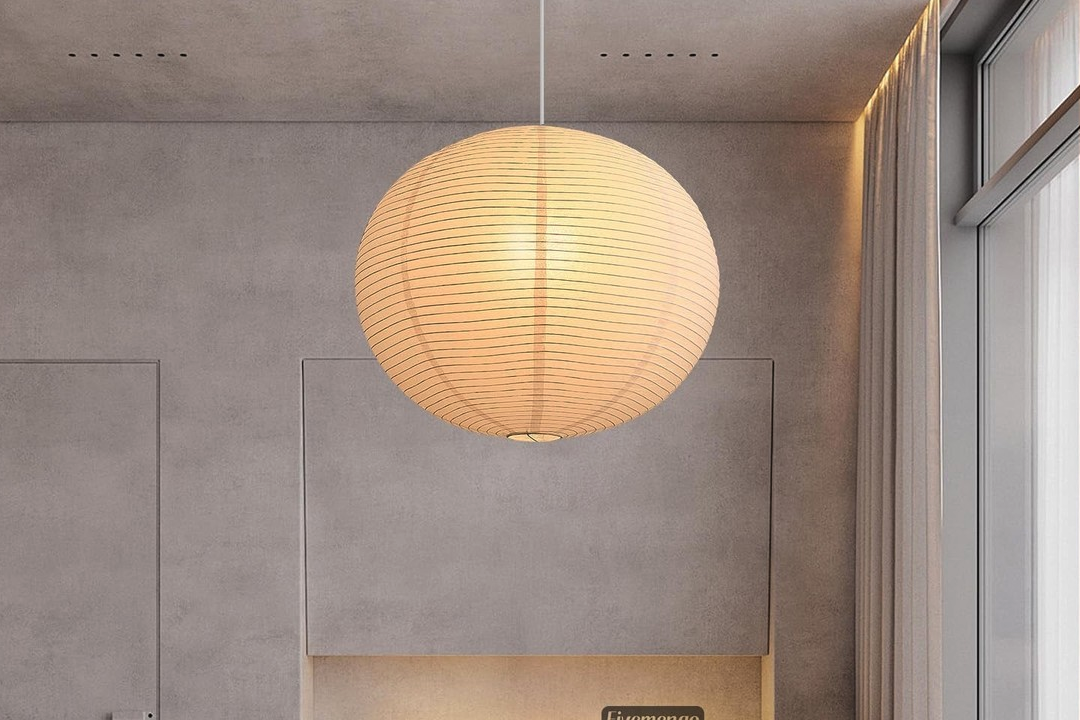
When it comes to creating the perfect Japandi dining experience, one element often overlooked but incredibly impactful is lighting. Specifically, a soft-glow paper lantern is arguably the single best choice for achieving that serene, balanced, and aesthetically pleasing atmosphere. It intrinsically embodies the principles of both Japanese minimalism and Scandinavian warmth, providing diffused, gentle light that enhances, rather than overwhelms, the dining space.
It’s more than just a light fixture Mosundesign; it’s a statement piece that speaks volumes about your design philosophy. The beauty of Japandi lies in its harmonious blend of two distinct yet complementary aesthetics. A paper lantern, with its simple form and gentle illumination, perfectly encapsulates this synergy.
The Essence of Japandi Design
Japandi thrives on natural materials, clean lines, and a sense of calm. Think understated elegance, functionality, and comfort. It’s about decluttering and focusing on what truly matters, creating spaces that feel both refined and incredibly livable. Bright, harsh lighting can shatter this delicate balance, introducing an unwelcome intensity. A soft-glow paper lantern, however, respects and enhances these core tenets.
Embracing Natural Materials
One of the cornerstones of both Japanese and Scandinavian design is the appreciation for natural materials. Paper, often handmade and subtly textured, fits this perfectly. It’s an organic material that allows light to filter through in a wonderfully natural way, avoiding the artificiality sometimes associated with synthetic materials. This aligns with the Japandi preference for wood, linen, and ceramics, creating a cohesive material palette within your dining area.
Diffused Light for Ambiance
The magic of a soft-glow paper lantern is in its diffusion. Instead of a direct, glaring light source, you get an even, gentle luminescence that bathes the room in a comforting glow. This is crucial for a dining environment. It’s about creating an intimate setting where conversations flow easily, and food looks inviting. Harsh shadows are eliminated, replaced by a soft, flattering light that everyone can appreciate.
Selecting the Right Soft-Glow Paper Lantern
Not all paper lanterns are created equal, especially when aiming for a specific aesthetic like Japandi. There are key considerations to ensure your chosen lantern truly complements your dining space.
Material Matters: Beyond Basic Paper
While “paper” is in the name, the quality and type of paper can vary significantly. Look for lanterns made from genuine rice paper (washi paper), mulberry paper, or even certain thin, natural linen blends. These materials offer superior light diffusion and often possess subtle textures that add depth without being distracting. Avoid overly bleached or synthetic-feeling papers, as they can detract from the natural aesthetic.
Shape and Form: Simplicity Reigns
In Japandi design, less is often more. Opt for simple, organic shapes. Spherical lanterns are a classic choice, offering an even distribution of light. Other popular options include cylindrical, elongated, or gently curved forms. Avoid overly ornate or complex designs. The beauty should lie in its unassuming elegance. Think of traditional Japanese lanterns or classic Scandinavian pendants – their forms are often elemental.
Size and Scale: Proportionality is Key
The size of your lantern should be proportionate to your dining table and the overall room. A lantern that is too small can look insignificant, while one that is too large can overwhelm the space. A good rule of thumb is to have the bottom of the lantern approximately 30-36 inches (75-90 cm) above the table surface, but always consider the height of your ceiling and the visual balance. If you have a very long table, consider a cluster of smaller lanterns or a single, elongated design.
Color Palette: Subtlety is Your Friend
Stick to natural, muted tones. Off-white, soft cream, linen beige, or very light grey are ideal choices. These colors maintain the minimalist aesthetic and ensure the light emitted is warm and inviting. Bright white can sometimes feel too stark, while anything too colorful will pull away from the serene Japandi vibe. The beauty of these neutral tones is that they seamlessly integrate into almost any existing Japandi scheme.
Placement and Installation for Optimal Effect
Where and how you hang your paper lantern is just as important as the lantern itself. Strategic placement can amplify its softening effects and create the desired atmosphere.
Centered Above the Dining Table
The most common and effective placement is directly above the center of your dining table. This ensures even illumination across the entire eating surface, inviting diners to gather and connect. It becomes a focal point without being overly dramatic.
Adjustable Height for Versatility
Consider a fixture that allows for adjustable height. This flexibility is invaluable. You might want it slightly lower for intimate dinners, or a bit higher for general ambiance when not dining. An adjustable cord or chain makes this possible. Ensure the cord itself is also minimalist – fabric-wrapped cords in neutral colors are a good choice.
Beyond the Main Light: Complementary Lighting
While the paper lantern serves as your primary ambient light source, remember that layered lighting enhances any space. Consider adding dimmer-controlled wall sconces with soft uplight, or a pair of small, minimalist table lamps on a sideboard. These secondary light sources at different heights prevent a flat lighting scheme and add depth to the room. The goal is a gentle glow, not bright floods of light.
Dimmer Switches: An Absolute Must
This cannot be stressed enough. A dimmer switch is absolutely essential for any soft-glow lantern in a Japandi dining space. It allows you to fine-tune the intensity of the light, creating the perfect mood for any occasion, from a casual breakfast to a romantic dinner. The ability to control the light level is fundamental to achieving that serene, adaptable Japandi feel.
The Sensory Experience: Beyond Visuals
A soft-glow paper lantern contributes to the overall sensory experience of your Japandi dining room, going beyond just how it looks.
Creating a Calm and Inviting Atmosphere
The diffused light from a paper lantern has a calming effect on the human mind. It softens edges, reduces harsh shadows, and creates a sense of enveloping warmth. This is precisely the kind of atmosphere conducive to relaxed dining, meaningful conversations, and a feeling of contentment. It’s an antidote to the hustle and bustle of modern life, offering a quiet sanctuary.
Enhancing Food Presentation
Good lighting can make food look even more appetizing. The gentle, even glow from a paper lantern illuminates dishes without creating glaring reflections or washed-out colors. Food appears vibrant and authentic, enhancing the overall dining experience. It’s about presenting your culinary creations in the best possible “light” (pun intended!).
A Connection to Nature
The use of natural materials like paper, combined with light that emulates the gentle quality of sunlight filtered through clouds or trees, fosters a subtle connection to nature. This aligns perfectly with the Japandi ethos of bringing the outdoors in and appreciating natural elements, even in an interior setting. It’s a very organic way to illuminate a space.
Maintenance and Longevity of Your Paper Lantern
While paper lanterns are generally delicate, with a little care, they can last for years, continuing to grace your Japandi dining space.
Gentle Cleaning Practices
Dust is the primary enemy. Use a soft, dry microfibre cloth or a feather duster to gently wipe down the surface of the lantern periodically. Avoid using water or any harsh cleaning agents, as these can damage the paper or cause discoloration. If there’s a stubborn spot, a very slightly damp cloth (almost dry) can be used with extreme care, but always test on an inconspicuous area first.
Avoiding Direct Contact and Humidity
Paper is susceptible to moisture. Ensure your lantern is not placed in an area with high humidity, like directly above a stove or in a room prone to condensation, unless specifically designed for such environments (which is rare for paper lanterns). Also, avoid touching the paper frequently, as oils and dirt from hands can leave marks.
Bulb Choice for Longevity and Softness
The type of bulb you use is crucial. For a soft glow, opt for LED bulbs with a warm color temperature (around 2700K-3000K). These bulbs are energy-efficient, long-lasting, and produce very little heat, which is important for the safety and longevity of a paper fixture. Avoid incandescent bulbs, as they can get very hot and pose a fire risk to paper. Look for “dimmable” LEDs if you plan to use a dimmer switch. The light output (lumens) should be appropriate for the room size – you don’t need extremely bright bulbs for ambiance.
A soft-glow paper lantern isn’t just a lighting choice; it’s an investment in the art of living beautifully and mindfully. It’s an embodiment of the Japandi philosophy, bringing together understated elegance, natural materials, and superb functionality to create a dining space that is both visually stunning and profoundly calming. By carefully selecting, placing, and maintaining your paper lantern, you ensure your dining area becomes a true sanctuary, perfectly tuned to the quiet harmony of Japandi design.