
Coastal Cottage Lighting: Resilient Designs for Salt Air
Living by the sea is a dream for many, and coastal cottages evoke a special kind of charm. But the reality of oceanfront living comes with its own set of challenges, especially when it comes to outdoor lighting. The relentless salt air, moisture, and occasional storms can quickly take a toll on even the most well-made fixtures. So, how do you light up your coastal cottage beautifully and practically, ensuring your lights stand up to the elements? The key lies in choosing materials and designs specifically engineered for resilience against salt air.
Understanding the Salty Challenge
Salt air is more than just a pleasant scent; it’s a corrosive force that can wreak havoc on metal and other materials. The tiny salt particles suspended in the air, combined with high humidity, create a perfect storm for oxidation and degradation. This is why standard outdoor lighting, often made with less robust materials, can quickly rust, corrode, and fail when exposed to the coastal environment. You’ll see it in the pitting of metal, the chalking of finishes, and ultimately, the breakdown of electrical components.
The Corrosive Nature of Salt
- Electrochemical Reactions: Saltwater is an electrolyte, meaning it conducts electricity. When salt deposits on metal fixtures, it creates tiny electrochemical cells. Moisture acts as the electrolyte, and the differing parts of the metal act as electrodes, leading to accelerated corrosion.
- Physical Abrasion: While not as direct as chemical corrosion, salt crystals can also physically abrade surfaces over time, especially with wind-driven rain and spray.
- Impact on Finishes: Even protective coatings on metals can be compromised by the constant salt exposure, allowing the underlying material to be attacked.
Materials Matter: Your First Line of Defense
When selecting lighting for a coastal cottage, the material of the fixture is arguably the most critical factor. Some materials are inherently more resistant to salt and moisture than others. Focusing on these will save you headaches and money in the long run.
The Superiority of Certain Metals
- Solid Brass: This is often considered the gold standard for coastal lighting. High-quality brass, especially unlacquered or selectively lacquered, develops a beautiful patina over time rather than corroding. It’s dense, non-porous, and highly resistant to rust.
- Marine-Grade Brass: Look for fixtures specifically advertised as “marine-grade” brass. This indicates a higher quality alloy designed for even harsher environments.
- The Patina Appeal: Many homeowners embrace the natural greenish or brownish patina that solid brass develops. It adds character and a sense of history to the cottage.
- Copper: Similar to brass, copper is incredibly durable and forms a protective patina (verdigris) that prevents further corrosion. It offers a warm, inviting aesthetic that complements many coastal styles.
- Living Finish: Copper is often referred to as a “living finish” because its appearance constantly evolves. This is part of its charm for many.
- Antimicrobial Properties: While not directly related to salt resistance, copper’s natural antimicrobial properties can be an added bonus.
- Aluminum Alloys: While not as inherently resistant as brass or copper, certain high-quality aluminum alloys can perform well, especially when properly treated.
- Powder Coating: A robust powder coating applied over a high-quality aluminum alloy is crucial. This coating acts as a barrier against salt and moisture. Ensure the powder coating is specifically rated for outdoor marine use.
- Anodized Aluminum: Anodizing creates a durable, corrosion-resistant layer on the aluminum surface. Look for architectural-grade anodized aluminum for better performance.
Materials to Approach with Caution (or Avoid)
- Iron and Steel: Unless specifically treated with extensive protective coatings (which can still fail over time in harsh salt air), iron and steel are highly prone to rusting. Even galvanized steel will eventually show signs of corrosion.
- Plated Metals: Finishes like chrome plating or nickel plating on less durable base metals will eventually chip or peel, exposing the underlying material to salt damage.
- Some Plastics: While some high-quality plastics can withstand UV rays, their long-term performance in direct salt spray can be variable. Cheaper plastics can become brittle and crack.
Design Features for Durability
Beyond the material itself, the design and construction of the lighting fixture play a significant role in its longevity. Simple, well-engineered designs tend to fare better in challenging environments.
Protecting the Electrical Core
- Sealed Housings: Look for fixtures with well-sealed housings that prevent moisture and salt spray from entering the electrical components. This often involves gaskets and tight tolerances.
- IP Ratings: Pay attention to Ingress Protection (IP) ratings. An IP65 rating or higher is generally recommended for outdoor coastal lighting, indicating excellent protection against dust and water jets.
- Integrated LED Technology: Many modern coastal lighting fixtures utilize integrated LED modules. This means the light source is built into the fixture, reducing the number of potential entry points for moisture.
- Sealed LED Arrays: Ensure the LED arrays themselves are well-sealed within the fixture.
- Heat Dissipation: Good heat dissipation is important for LED longevity, and this is often incorporated into the fixture’s design.
Construction and Mounting
- Robust Mounting Systems: The way a fixture is mounted is just as important as the fixture itself. Look for sturdy mounting brackets and hardware made from corrosion-resistant materials.
- Stainless Steel Hardware: Always opt for stainless steel mounting hardware (screws, bolts, etc.) as they are far more resistant to rust than standard steel.
- Minimal Gaps and Crevices: Designs with fewer intricate details, sharp edges, or complex assemblies are easier to maintain and less likely to trap salt and moisture. Simple, clean lines are often best.
- Smooth Surfaces: Smooth surfaces are less likely to hold onto salt deposits, making them easier to clean.
Finishes: The Protective Layer
The finish on a lighting fixture is its first barrier against the elements. When choosing finishes for a coastal cottage, durability and resistance to salt are paramount.
Enduring Finishes for Salt Air
- Powder Coating: As mentioned earlier, a high-quality, marine-grade powder coating is an excellent choice for aluminum and sometimes even brass fixtures. It creates a thick, durable, and attractive barrier.
- Types of Powder Coating: Epoxy, polyester, and polyurethane powder coatings all offer different levels of UV and corrosion resistance. For coastal use, polyester or polyurethane are generally preferred.
- Surface Preparation: The quality of the powder coating application is key. Proper surface preparation of the metal is essential for adhesion and long-term performance.
- Anodizing: For aluminum, anodizing is a superb finish that creates a hard, abrasion-resistant, and corrosion-proof surface.
- Color Options: Anodized aluminum is available in various colors, from clear to bronze and black, allowing for aesthetic flexibility.
- Lacquered Finishes (with caveats): While unlacquered brass and copper develop a natural patina, some fixtures come with a clear lacquer. This lacquer can help maintain the original finish for a while, but it will eventually wear away in a salt environment.
- Maintenance of Lacquer: If you opt for a lacquered fixture, be prepared for eventual maintenance. Some lacquers can be reapplied, while others may need to be stripped and the metal re-patinated or coated.
- Living Finishes (Natural Patina): For brass and copper, embracing the natural evolution of the metal is often the most resilient approach. The patina that forms is a protective layer that prevents further corrosion.
- Acceptance is Key: You need to be comfortable with the natural aging process of these metals, as they won’t stay shiny like polished chrome.
Finishes to Be Wary Of
- Painted Finishes (standard): Standard paint applied to metal is rarely sufficient for direct coastal exposure. It can chip, peel, and allow salt to reach the underlying metal.
- Plated Finishes: As discussed, plated finishes are often superficial and will eventually degrade in salt air.
Types of Coastal Cottage Lighting: Specific Applications
Knowing which types of lighting are most suitable for different areas of your coastal cottage will help you make informed decisions.
Porch and Entryway Lights
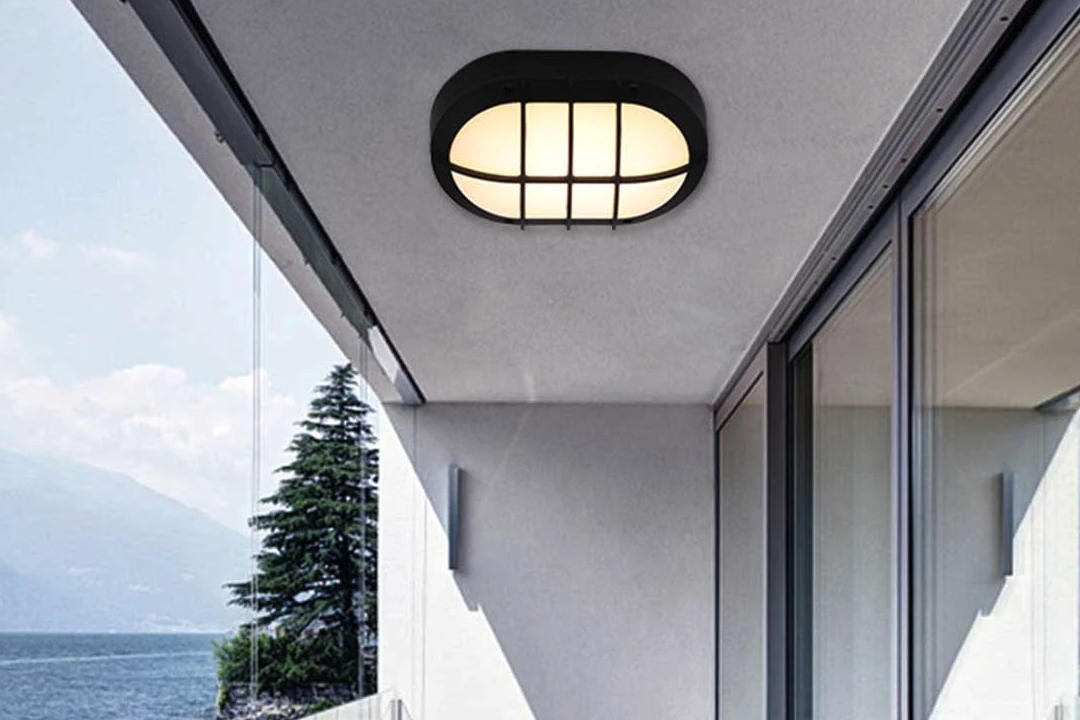
- Wall Sconces: These are popular for front porches and flanking doorways. Look for solid brass or powder-coated aluminum designs with enclosed or hooded globes to protect the bulbs and electrical components.
- Downlights: Fixtures that direct light downwards are often more practical, preventing glare and focusing illumination where it’s needed.
- Pendant Lights: If you have a covered porch ceiling, a well-sealed pendant light can add a touch of elegance. Again, prioritize marine-grade materials and robust construction.
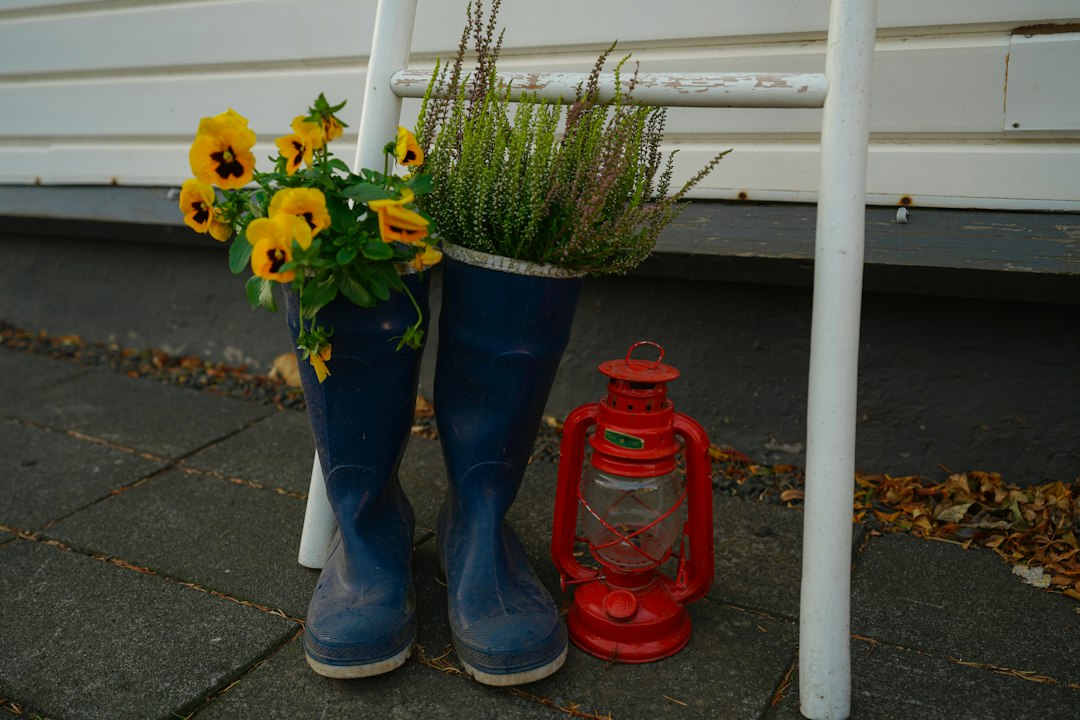
- Lantern-Style Fixtures: Many cottage styles lend themselves to lantern designs. Ensure the materials and construction are up to par for coastal conditions.
Pathway and Garden Lights
- Bollard Lights: These low-level lights are perfect for illuminating pathways and garden beds.
- Material Focus: Choose bollards made from solid brass, copper, or marine-grade powder-coated aluminum.
- Sealed Heads: The light source should be well-protected within a sealed head.
- Spike Lights: For more targeted accent lighting in gardens, spike lights can be used. Ensure they have robust, weather-sealed heads.
- Consider Uplighting: While downlighting is often preferred for practical illumination, some uplighting can create a dramatic effect, but ensure the fixture is designed to handle moisture from below.
Deck and Patio Lighting
- Recessed Deck Lights: These are discreet and can provide subtle illumination along deck edges.
- Waterproof Ratings: Crucially, these must have high waterproof ratings (IP67 or IP68) as they will be exposed to direct moisture.
- Material Durability: Opt for brass or marine-grade powder-coated aluminum housings.
- String Lights: While charming, standard string lights may not hold up well. Look for heavy-duty, outdoor-rated string lights specifically designed for harsh environments, often with commercial-grade components.
- Bulb Protection: Consider string lights where the bulbs are individually protected or made of durable materials like polycarbonate.
- Wall-Mounted Fixtures: Similar to porch lights, wall-mounted fixtures can provide task lighting or ambient light for decks and patios.
Interior Lighting Visible from the Exterior
- Window Illumination: While not directly exposed to salt air, interior lights visible through windows can enhance your cottage’s curb appeal. Consider the style and material of these fixtures if they have direct exposure to salty breezes through open windows.
- Brass or Copper Accents: Even for interior fixtures near windows, brass or copper accents can tie in with the exterior aesthetic and offer a touch of resilience.
Maintenance: Keeping Your Lights Shining
Even the most resilient coastal lighting will benefit from regular care. Proactive maintenance can significantly extend the life and appearance of your fixtures.
Routine Care for Longevity
- Regular Cleaning: This is perhaps the most important step.
- Gentle Washing: Periodically wash your lighting fixtures with mild soap and water. A soft cloth or brush is ideal. This removes salt deposits before they can cause significant damage.
- Avoid Harsh Chemicals: Never use abrasive cleaners, scouring pads, or harsh chemicals, as these can damage protective finishes.
- Inspecting Finishes: Keep an eye on the finishes of your fixtures.
- Touch-Ups: If you notice any small chips or scratches in powder coating, address them promptly with touch-up paint specifically designed for outdoor use and the material of your fixture.
- Patina Development: For brass and copper, embrace the evolving patina. If you prefer a brighter look, there are specialized polishes, but be aware that repeated polishing will remove the protective patina.
- Checking Seals and Gaskets: Periodically inspect the seals and gaskets on your fixtures.
- Replacements: If they appear cracked, dried out, or damaged, replace them to maintain the fixture’s watertight integrity.
- Tightening Hardware: Over time, vibrations and weather can loosen mounting hardware.
- Periodic Checks: Give your fixtures a quick check to ensure all screws and bolts are secure. Use stainless steel replacements if any original hardware shows signs of rust.
Addressing Specific Material Needs
- Brass and Copper: For those who want to maintain a brighter finish, regular polishing with a non-abrasive metal polish is necessary. However, understand that this removes the protective patina. For many, allowing the natural patina to develop is the most maintenance-free and aesthetically pleasing option.
- Powder-Coated Aluminum: Gentle washing is usually sufficient. If there are any chips, consider using a high-quality exterior touch-up paint that matches the color and finish.
By thoughtfully selecting materials, considering design features, and committing to regular maintenance, you can illuminate your coastal cottage with lighting that is not only beautiful but also built to withstand the charming, yet challenging, embrace of the sea air.