
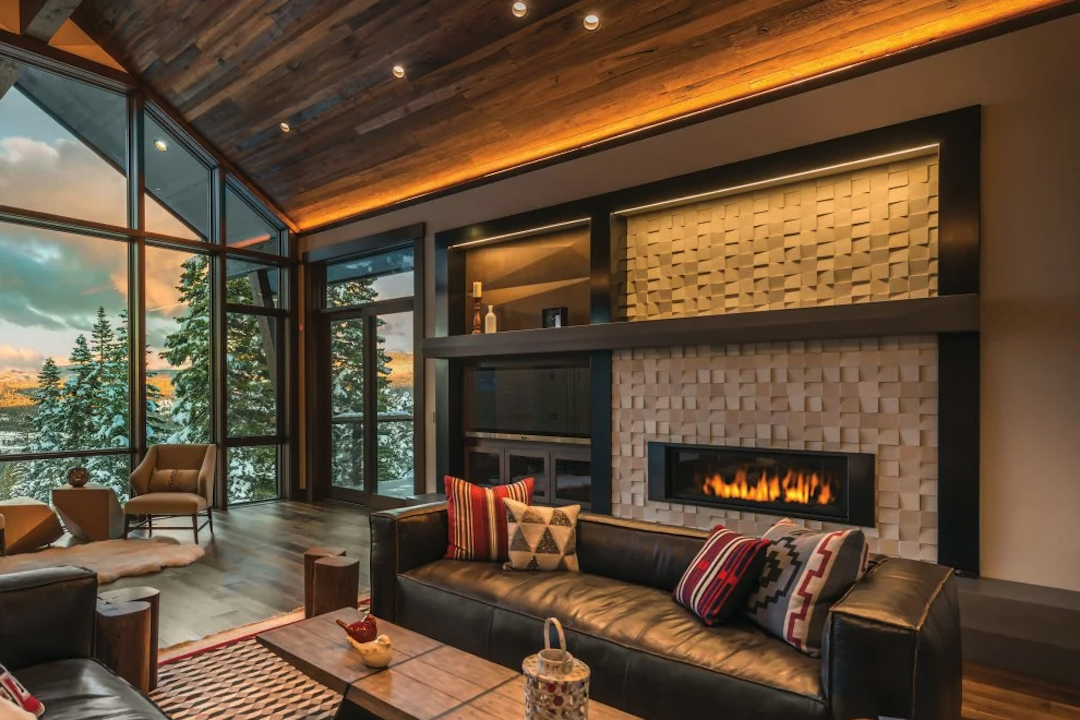
Think “cozy ski chalet” and what comes to mind? Probably crackling fireplaces, soft blankets, and maybe a mug of something warm. But one element that often gets overlooked, yet is crucial to achieving that inviting atmosphere, is lighting. Specifically, how to use lighting to capture that rustic, warm, and undeniably comfortable feel. This article dives into two key players in achieving that cozy ski chalet vibe: wool shades and wood accents in your lighting.
Let’s be honest, when it’s cold outside, we want our homes to feel like a warm hug. Lighting is your secret weapon here, and using materials like wool and wood can really amplify that feeling of snugness. It’s not about blinding brightness; it’s about creating pools of inviting light Jopoke that make you want to curl up and stay awhile. We’ll break down how these materials work their magic and give you practical ideas for incorporating them into your own space.
Wool is a wonder material when it comes to creating a cozy ambiance. It’s naturally soft, has a beautiful texture, and its fibers tend to absorb light rather than reflect it harshly, which is exactly what you want for a ski chalet feel.
Why Wool Works So Well for Cozy Lighting
Wool’s inherent properties make it a natural fit for creating warm and inviting light. Its fibrous nature diffuses light beautifully, creating a soft glow that’s far from sterile.
Natural Diffusion and Light Quality
Unlike synthetic materials that can be too smooth and reflective, wool’s irregular surface scatters light. This means you get a gentle, ambient illumination that doesn’t cast harsh shadows. Think of it like looking at a candle flame through a light fog – it’s soft, inviting, and has a depth to it. This diffused light is perfect for creating a relaxing mood, especially in the evenings.
Texture and Tactile Appeal
Beyond its light-diffusing qualities, wool brings a sense of tactile comfort. Even without touching it, seeing the natural weave and texture of a wool lampshade can evoke feelings of warmth and snugness. It adds a layer of visual interest that’s subtle but significant, contributing to that “lived-in” and comfortable feel that’s so essential for a chalet.
Insulating Properties (Even in Light)
While we’re talking about light, it’s worth noting that wool is a natural insulator. This quality translates visually into how it interacts with light. It feels less stark, more muted, and contributes to the overall sense of warmth radiating from the fixture. It’s a subtle but effective way to make a room feel more insulated from the outside chill.
Types of Wool Shades for Your Chalet
You’ll find wool shades in various forms, each offering a slightly different aesthetic. Choosing the right one depends on the style of your chalet and the specific mood you’re aiming for.
Hand-knitted or Crocheted Shades
These are the ultimate in cozy. A hand-knitted or crocheted wool shade brings a truly artisanal and handmade feel. The intricate stitches create wonderful patterns of light and shadow, adding depth and personality. They often have a slightly more open weave, allowing a warm, dappled light to escape.
- Pros: Uniquely charming, incredibly cozy, showcases craftsmanship.
- Cons: Can be more expensive, might require delicate cleaning, light diffusion can vary greatly depending on the stitch.
Felted Wool Shades
Felted wool offers a denser, more uniform surface compared to knitted options. This results in a more diffused and even light. The texture is soft and slightly matte, lending a sophisticated yet rustic feel. Felted shades are great for creating a consistent, warm glow.
- Pros: Excellent light diffusion, durable, can be shaped in various ways.
- Cons: Less variation in texture compared to knitted styles, can sometimes feel a bit more “modern rustic” depending on the design.
Wool Blends and Woven Fabrics
Many lampshades use wool blended with other natural fibers like linen or cotton, or are woven from wool yarns. These can offer a balance of wool’s warmth with the specific characteristics of the other fibers, like linen’s slubby texture or cotton’s natural softness. The weave pattern will significantly impact the light diffusion.
- Pros: Wide range of textures and patterns available, often more affordable than pure wool.
- Cons: The coziness factor might be slightly reduced depending on the blend and weave.
Practical Tips for Using Wool Shades
It’s not just about picking a wool shade; it’s about integrating it thoughtfully into your lighting plan.
Layering Light with Wool Shades
Don’t rely on a single wool lampshade to illuminate your entire room. Layering light is key to creating depth and coziness. Use wool shades on bedside lamps, floor lamps in reading nooks, and even as accent lighting on side tables.
- Bedside Lamps: A wool shade on a bedside lamp casts a gentle, reading-friendly light without being too bright for winding down.
- Floor Lamps: Position a floor lamp with a wool shade in a corner or beside an armchair to create a welcoming pool of light.
- Table Lamps: Small table lamps with wool shades on mantels or shelves add accent lighting and a touch of warmth.
Consider the Color and Opacity
The color of the wool will also affect the light. Warmer tones like creams, beiges, soft browns, and muted oranges will enhance the cozy feel. Darker colors will absorb more light, creating a more intimate and subdued atmosphere, while lighter colors will allow more light to pass through.
- Warm Neutrals: Think cream, oatmeal, soft taupe. These are versatile and promote a calm, inviting feel.
- Earthy Tones: Terracotta, rust, muted olive green. These colors connect with nature and add a rich, grounding warmth.
- Darker Hues: Deep charcoal, forest green, or even a rich burgundy can create a very intimate and sophisticated cozy atmosphere, but ensure sufficient wattage to avoid complete darkness.
Maintenance and Durability
Wool shades are generally durable, but they do require a bit of care. Regular dusting with a soft brush or vacuum cleaner attachment is usually sufficient. For deeper cleaning, follow the manufacturer’s instructions, as some wools might require professional cleaning or very gentle hand washing.
The Enduring Appeal of Wood in Lighting
Wood is another quintessential material for a ski chalet. Its natural grain, warmth, and connection to the outdoors make it an obvious choice for infusing your lighting with that sought-after cozy vibe.
Why Wood is a Natural for Cozy Lighting
Wood, much like wool, has an inherent warmth that artificial materials struggle to replicate. It’s a material that feels organic, grounding, and speaks to the rustic aesthetic of a ski chalet.
Natural Warmth and Grain
The natural variations in wood grain create visual interest and a sense of depth. This organic texture is incredibly appealing and contributes to a feeling of authenticity and comfort. Whether it’s the smooth, polished finish of a maple lamp base or the rough-hewn texture of reclaimed pine, wood adds a tactile and visual richness.
Connecting to the Outdoors
Ski chalets are inherently linked to the natural world. Using wood in your lighting directly brings a piece of that natural environment indoors. This connection can be very grounding and contribute to a feeling of peace and relaxation.
Versatility in Style
Wood can be adapted to a wide range of styles, from rustic and rough-hewn to sleek and modern. This makes it a versatile material for any chalet, regardless of its overall design aesthetic.
Types of Wood Accents in Lighting
Wood can be incorporated into lighting fixtures in numerous ways, from the base to decorative elements.
Solid Wood Bases and Stands
This is perhaps the most common and impactful use of wood in lighting. A lamp with a substantial solid wood base instantly adds weight, warmth, and a grounded feel to the fixture.
- Turned Wood Bases: These classic designs, often seen in beech, maple, or oak, offer a timeless elegance. The smooth curves feel familiar and comforting.
- Live-Edge Wood Bases: For a more rustic and organic look, live-edge wood bases showcase the natural beauty of the wood, including its bark and irregular shape.
- Reclaimed Wood Elements: Incorporating reclaimed wood, with its patina and history, adds a unique character and story to your lighting. Think old barn wood or salvaged timber.
Wooden Lamp Poles and Arms
The uprights and arms of floor lamps or table lamps can also be made from wood, extending the material’s presence and enhancing the overall cohesive feel.
- Single Wooden Rods: A simple, elegant wooden rod as the main support for a lamp can be very effective.
- Articulated Wooden Arms: For adjustable task lighting, wooden arms can be a stylish and functional choice, offering a more natural look than metal alternatives.
Decorative Wood Accents and Details
Even smaller wooden elements can make a big difference in conveying that cozy chalet feel.
- Wooden Finials: The decorative cap at the top of a lampshade can be made of wood, adding a subtle touch of warmth.
- Carved Details: Intricate carvings on a wooden lamp base or stem can add a unique artisanal touch, especially if they echo natural motifs like leaves or snowflakes.
- Wooden Lamp Shades (less common but possible): While less common for full shades due to light diffusion challenges, thin wood veneers or laser-cut wooden elements can be incorporated into shade designs to create beautiful patterns of light.
Practical Tips for Using Wood in Lighting
Integrating wood effectively involves considering its finish and placement.
Matching or Complementing Wood Tones
When using multiple wood elements in a room, try to match or complement their tones. If you have dark wood furniture, opt for darker wood lamp bases. If your furniture is lighter, lighter wood lamps will blend in better.
- Warm Wood Tones: Oak, walnut, cherry, mahogany – these woods have a natural reddish or brownish hue that is inherently warm.
- Lighter Wood Tones: Maple, birch, ash – these woods have a paler, often creamy or greyish tone that can still be cozy when paired with the right shade and light.
Considering the Finish
The finish on the wood will dramatically impact the look and feel.
- Matte or Satin Finishes: These finishes absorb light and create a softer, more natural look, which is ideal for a cozy chalet.
- High-Gloss Finishes: While they can look elegant, high-gloss finishes reflect more light and can sometimes feel less cozy, especially if the wood is very dark. Consider them for accent pieces rather than primary lighting.
- Distressed or Antiqued Finishes: These finishes add character and a sense of history, perfect for a rustic or vintage chalet look.
Combining Wood with Other Materials
Don’t be afraid to mix wood with other materials. A wooden base paired with a wool shade is a classic combination. You can also find lamps with wood and metal accents, or wood and ceramic elements, to create a layered and visually interesting look.
The Synergistic Power: Wool and Wood Together
When wool shades and wood accents are combined, they create a lighting scheme that’s greater than the sum of its parts, perfectly embodying the cozy ski chalet aesthetic.
Creating a Unified Cozy Ambiance
The natural warmth and texture of wool, combined with the grounding and organic feel of wood, create a harmonious and deeply inviting atmosphere.
A Natural Color Palette
Both wool and wood naturally lend themselves to earthy and warm color palettes. This natural affinity makes them easy to integrate into a cohesive design scheme. Think of the natural cream of wool against the rich brown of walnut, or the soft grey of felted wool with the pale hue of birch.
Layering Textures for Depth
The subtle texture of wool shades and the visible grain of wood create a satisfying interplay of textures. This layering adds visual interest and a sense of depth that makes a room feel more inviting and lived-in. It’s a gentle complexity that doesn’t overwhelm.
Practical Applications for Combined Elements
Consider how to best utilize these materials in tandem within your chalet.
Table Lamps as Cozy Nooks
A table lamp with a solid wood base and a wool shade is a quintessential cozy lighting fixture. Place it on a side table next to an armchair with a good book and a soft blanket, and you’ve created an instant reading sanctuary.
- Base: Look for turned wood, carved wood, or even a more rustic stump-like base.
- Shade: A knitted wool shade for a more bohemian feel, or a felted wool shade for a smoother, more refined look.
Floor Lamps for Ambient Glow
A floor lamp with a wooden pole and a wool drum shade can provide excellent ambient lighting for a living area. Position it behind a sofa or in a corner to cast a warm, diffused glow that fills the room without being harsh.
- Pole: Opt for solid wood, perhaps with a slightly distressed finish for extra character.
- Shade: A cylindrical wool shade will diffuse light evenly, creating a soft halo effect.
Pendant Lights with a Rustic Touch
While more challenging to find with wool shades, you can find pendant lights with wooden accents or shades made from wood veneers or thin strips. These can work well over dining tables or kitchen islands to bring that chalet feel into other areas of the home.
- Wooden Accents: Look for pendants with wooden canopies, downrods, or decorative wooden elements integrated into the design.
- Veneer or Laser-Cut Wood Shades: These can cast beautiful patterned light, adding visual interest and a touch of nature.
Beyond the Obvious: Subtle Accents and Smart Choices
Cozy lighting isn’t just about the main fixtures. Subtle details and smart choices can elevate the entire experience.
The Importance of Light Bulbs
The type of light bulb you use is paramount. Even the most beautifully crafted wool shade and wood fixture can be ruined by a harsh, cool-toned bulb.
Warm White is Your Friend
Always opt for “warm white” LED bulbs. Look for Kelvin ratings between 2200K and 2700K. This range mimics the color of incandescent bulbs and candle light, providing that soft, inviting glow. Avoid “cool white” or “daylight” bulbs, which can make a room feel sterile and unwelcoming.
Dimmer Switches are Essential
Installing dimmer switches on your lamps is a game-changer for achieving cozy lighting. Being able to adjust the brightness allows you to tailor the ambiance to the time of day and your specific mood. Lower the lights for a truly intimate and relaxing atmosphere.
Placement and Purpose
Think about where and why you’re placing each light fixture.
Task Lighting vs. Ambient Lighting
Understand the difference. Task lighting is for specific activities like reading or cooking (brighter, more focused). Ambient lighting is for general illumination and creating mood (softer, more diffused). Wool shades and wood accents are primarily for ambient and softer task lighting.
Avoiding Over-Lighting
It’s better to have several smaller, well-placed light sources than one or two overpoweringly bright overhead lights. Layering these softer light sources is key to creating a cozy and inviting space.
Scale and Proportion
Ensure your lighting fixtures are appropriately sized for the space.
- Too small: A tiny lamp on a large side table can look lost and ineffective.
- Too large: An oversized lamp can dominate a small space and feel overwhelming.
Measure your furniture and your room to choose lamps that feel balanced and proportional. A substantial wooden base often works well with a slightly larger, yet still diffused, wool shade.
Integrating Lighting into Your Chalet’s Overall Design
Your lighting should complement, not compete with, your existing decor.
The Role of Other Textures and Materials
Consider how your wool and wood lighting will interact with other elements in your chalet.
Soft Furnishings
Think about how your lighting will illuminate plush rugs, chunky knit throws, and comfortable upholstery. The soft glow from wool shades can enhance the tactile appeal of these elements.
Natural Materials
If your chalet features other natural materials like stone, slate, or even exposed brick, wood and wool lighting will tie in beautifully, creating a cohesive and grounded aesthetic.
Color Scheme Integration
Ensure the colors of your wool shades and wood tones harmonize with your overall color palette. Muted, earthy tones are generally best for a cozy chalet.
Creating Zones of Comfort
Use your lighting to define different areas within a larger space.
- Reading Nooks: A well-placed floor lamp with a wool shade and wooden base can create an inviting reading corner.
- Conversation Areas: Table lamps on side tables can provide intimate lighting for conversational areas.
- Hallways and Entryways: While perhaps less overtly “chalet-y,” strategic use of wood accents and softer light in these transitional spaces can still contribute to the overall feeling of warmth as guests enter your home.
Lighting as Art and Sculpture
Some wooden lamp bases are true works of art. Consider them not just for their illumination but for their aesthetic contribution to the room. A beautifully carved wooden base or a unique live-edge piece can become a focal point.
Bringing It All Together: Your Cozy Chalet Lighting Plan
Achieving that perfect cozy ski chalet lighting with wool shades and wood is about thoughtful selection and strategic placement. It’s about embracing natural materials and understanding how light can transform a space.
By focusing on the soft diffusion of wool and the inherent warmth of wood, you can create a home that feels not just lit, but truly inviting. Remember to choose warm-toned bulbs, utilize dimmer switches, and layer your lighting to build atmosphere. Don’t be afraid to experiment and find what feels right for your space. The goal is to create a sanctuary, a place where you can truly unwind and feel at home, no matter what the weather is doing outside.