
Choosing the right brass vanity light for your vanity table can really make a difference in both how your space looks and how well you can actually do your makeup or skincare. You’re probably wondering, “What’s the best one?” Well, the truth is, “best” is a bit subjective and depends on your personal style, the size of your vanity, and the kind of light you need. But to help you figure it out, we’ll break down what to look for and highlight some popular options that tend to hit the mark for many people.
Brass has been a go-to material for lighting for ages, and for good reason. It brings a touch of warmth and elegance that other metals just can’t replicate. Plus, it ages beautifully, developing a unique patina over time that can add character to your bathroom.
The Appeal of Brass
Brass isn’t just about looks; it’s a durable metal that holds up well, especially in potentially humid bathroom environments. It’s got this timeless quality that can feel both classic and surprisingly modern, depending on the fixture’s design.
Different Finishes to Consider
When you hear “brass,” you might picture that bright, shiny yellow. But there’s a whole spectrum of finishes out there:
- Polished Brass: This is the classic, high-shine look. It’s vibrant and reflects a lot of light Mypetyourpet. It can be a statement piece, but be aware that it can show fingerprints more easily.
- Brushed Brass: This has a softer, more matte finish with subtle directional lines. It’s a bit more forgiving for fingerprints and offers a more understated elegance.
- Antique Brass: This finish is designed to look aged, often with darker tones and a less uniform color. It’s perfect for vintage-inspired or eclectic decor.
- Satin Brass: Similar to brushed brass but often with a smoother texture and a more uniform, subtle sheen. It’s a very popular choice for its balance of warmth and sophistication.
- Burnished Brass: This involves treating the brass to create a darker, richer tone, often with a hand-rubbed look. It offers depth and a luxurious feel.
The Functional Side: Light Quality
Beyond the material, the primary job of a vanity light is to illuminate your face clearly and evenly. This is where color temperature and brightness come into play.
Color Temperature (Kelvin)
This refers to how warm or cool the light appears. For vanity lighting, you generally want something that mimics natural daylight.
- Warm White (2700K – 3000K): This is cozy and inviting, great for general ambient lighting but might not be ideal for detailed tasks like applying makeup if it leans too yellow.
- Neutral White (3500K – 4000K): This is often considered the sweet spot for vanities. It’s bright enough to see true colors without being harsh, making it excellent for makeup application.
- Cool White/Daylight (4500K – 6000K): While bright, this can sometimes make skin tones appear a bit washed out or unnatural, which isn’t what you want when checking your makeup.
Brightness (Lumens)
Lumens measure the total amount of visible light emitted by a source. More lumens mean a brighter light. For a vanity area, you’ll want enough light to see clearly without shadows. The number of bulbs and their individual lumen output will determine the overall brightness. Often, fixtures with multiple bulbs provide better coverage.
Types of Brass Vanity Lights
Vanity lights come in various forms, each offering a different aesthetic and lighting effect. The best type for you will depend on your bathroom’s layout and your personal preference.
Wall Sconces
These are mounted on the wall, typically flanking the mirror. They are a very popular and practical choice.
Sconce Placement and Number
- Flanking the Mirror: This is the most common and effective setup. Placing two sconces on either side of the mirror at eye level (around 60-65 inches from the floor) ensures even illumination of your face, minimizing shadows.
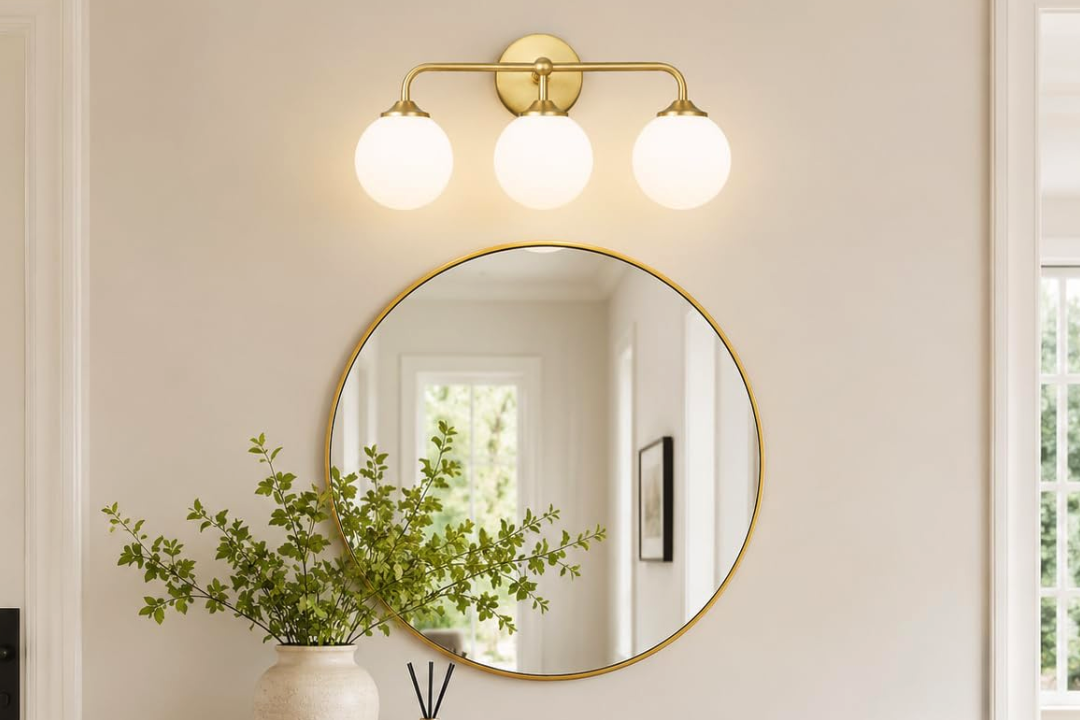
- Above the Mirror: While some fixtures are designed to go above, this can sometimes cast shadows downwards onto your face. If you opt for an overhead fixture, consider one with a diffuser to spread the light.
- Single Sconce: In very small bathrooms or vanity areas, a single, well-placed sconce might suffice, but it’s less ideal for shadow-free illumination.
Styles of Sconces
- Upward or Downward Facing: Some sconces direct light upwards, others downwards, and some can do both. Upward-facing lights can contribute to ambient lighting, while downward-facing lights are more task-oriented.
- Arm Sconces: These have an arm extending from the wall mount, allowing the light source to be positioned more precisely.
- Bar Sconces: Similar to sconces but often grouped together on a single bar, providing a more linear light source.
Vanity Bar Lights (Overhead)
These are linear fixtures that are usually mounted directly above the mirror. They can offer a clean, modern look.
Considerations for Bar Lights
- Coverage: A well-designed bar light should provide ample coverage across your face. The length of the bar is important here.
- Shadowing: As mentioned, positioning is key. If the bar light is too high or too low, it can create unflattering shadows. Ideally, it should be positioned to shine directly onto your face from a slight angle.
- Integrated LED vs. Bulb Fixtures: Many modern bar lights come with integrated LED strips, offering a sleek profile and consistent light. Others use standard bulbs, giving you more flexibility to choose your preferred bulb type.
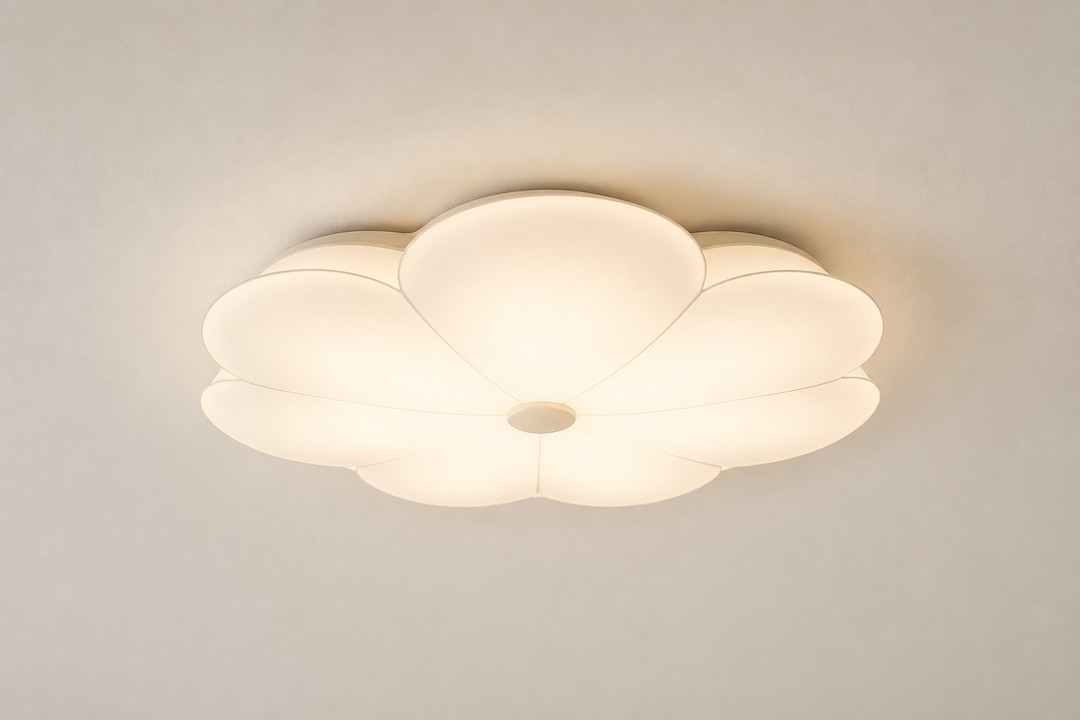
Flush Mount or Semi-Flush Mount Lights
While less common for precise vanity tasks, these are ceiling-mounted fixtures that can work for smaller powder rooms or as secondary lighting in a larger vanity area.
When Flush Mounts Might Work
- Small Powder Rooms: In powder rooms where space is tight and makeup application isn’t the primary focus, a stylish flush mount can provide adequate overall light.
- Layered Lighting: If you have other task lighting (like good overhead lights in the bathroom or even a separate lamp), a flush mount can contribute to the overall ambiance.
Pendant Lights
These hanging fixtures can add a touch of drama and sophistication, but they need careful placement to be functional.
Pendant Placement for Vanities
- Flanking, Not Directly Above: For vanity use, pendants are best placed on either side of the mirror, similar to sconces, rather than directly overhead. This helps ensure your face is well-lit.
- Adjustable Height: Look for pendants with adjustable cords so you can fine-tune the height for optimal illumination.
- Shade Material: The shade will significantly impact the light quality. Opaque shades will direct light downwards, while glass or open shades will spread light more broadly.
Key Features to Look for in Brass Vanity Lights
Once you’ve decided on the type of fixture, it’s time to dive into the specifics that will make a brass vanity light truly shine.
Bulb Type and Compatibility
This is crucial because it affects both the light quality and maintenance.
Integrated LED vs. Replaceable Bulbs
- Integrated LED: These fixtures have the LED light source built-in. They are often more energy-efficient, can have a sleeker design, and last for a very long time. The downside is that if the LED fails, you might need to replace the entire fixture.
- Replaceable Bulbs (Edison Base, etc.): These fixtures use standard bulbs (like E26 or E12 bases, depending on the region). This gives you the flexibility to choose your preferred bulb type, color temperature, and brightness. It also means you can easily swap out a bulb if it burns out.
Bulb Shape and Style
- Globe/Sphere Bulbs: These often have a diffused look, providing soft, even light.
- Edison Bulbs: While popular for their vintage aesthetic, traditional Edison bulbs can be quite dim and have a very warm, amber glow. Look for LED versions of Edison bulbs that offer better brightness and color temperature options.
- Candle-Style Bulbs: These can add a classic, decorative touch, especially in more traditional fixtures.
Material Quality and Construction
Not all brass is created equal, and the construction of the fixture matters for longevity and appearance.
Solid Brass vs. Brass-Plated
- Solid Brass: This is the premium option. It’s heavier, more durable, and will age beautifully over time, developing a rich patina. It’s resistant to rust and corrosion, making it ideal for bathrooms.
- Brass-Plated: This involves a base metal (often steel or aluminum) that is coated with a thin layer of brass. It’s more affordable but the plating can wear off over time, especially in humid environments, revealing the base metal underneath. It can also be prone to chipping or scratching.
Glass Diffusers and Shades
- Frosted Glass: This softens the light, reducing glare and creating a more diffused, even illumination. It’s excellent for vanity lighting.
- Clear Glass: While it can look elegant, clear glass can be very bright and may not diffuse light effectively, leading to glare.
- Alabaster or Opal Glass: These offer a creamy, diffused light that is very flattering.
- Material and Fit: Ensure the glass shades are securely fitted and made of good quality material that won’t yellow or degrade over time.
Size and Scale
The dimensions of the vanity light need to be proportionate to your vanity table and mirror.
Matching Fixture Size to Vanity
- Width: For sconces flanking a mirror, aim for the total width of the fixture (or two fixtures) to be roughly one-third to one-half the width of your mirror.
- Height: For overhead bar lights, the length should ideally be similar to the width of your mirror, or at least two-thirds of it.
- Projection: Consider how far the fixture will stick out from the wall. You don’t want it to be obtrusive or to get in the way when you’re standing at the vanity.
- Vanity Table Size: A very large, elaborate fixture might overwhelm a small, delicate vanity, and vice-versa.
Dimmer Compatibility
The ability to adjust the light level is a game-changer.
Why Dimmers Are Important
- Task Lighting: When you need bright, focused light for intricate makeup application, you can crank it up.
- Ambiance: For a more relaxed mood or a quick check before heading out, dimming the lights creates a softer glow.
- Energy Saving: Dimming also reduces energy consumption.
Checking for Dimmer Compatibility
Most fixtures, especially those with replaceable bulbs, are designed to be dimmer-compatible. However, if you’re opting for integrated LEDs, you’ll need to ensure the specific fixture is advertised as dimmable. You’ll also need to purchase a compatible dimmer switch for your wall.
Popular Brass Vanity Light Styles and Designs
Brass vanity lights come in a vast array of styles, catering to every design aesthetic. Here are some of the most popular and functional options you’ll find.
Modern & Minimalist
These designs often feature clean lines, simple geometric shapes, and understated elegance.
Characteristics of Modern Brass Lights
- Sleek Silhouettes: Think simple cylindrical shades, rectangular backplates, and uncluttered designs.
- Matte or Satin Finishes: Brushed or satin brass finishes are common, adding a sophisticated, low-sheen look.
- Integrated LEDs: Many modern fixtures utilize integrated LED strips for a very minimalist and contemporary feel.
- Globe or Cylinder Shades: Often paired with frosted glass to diffuse light evenly without visual distraction.
Traditional & Vintage Inspired
These lights draw inspiration from historical designs, often featuring decorative elements and classic shapes.
Elements of Traditional Brass Lights
- Ornate Details: Look for scrolling arms, etched glass, decorative finials, and detailed backplates.
- Candle-Style Holders: Some designs mimic the look of candle fixtures, adding a romantic, old-world charm.
- Antique Brass or Burnished Finishes: These finishes enhance the aged, heritage feel.
- Globe or Bell-Shaped Shades: Often made of frosted or patterned glass for a softer light.
Industrial Chic
This style blends raw materials with a touch of refinement, often incorporating exposed bulbs or cage-like elements.
Industrial Brass Vanity Light Features
- Exposed Bulbs: Often designed to showcase Edison-style bulbs for a vintage, workshop feel.
- Cage or Guard Elements: Metal cages or guards around the bulbs add a utilitarian, robust look.
- Simple, Utilitarian Shapes: Think straightforward cylinders, cones, or bell shapes.
- Brushed or Darkened Brass: Finishes that suggest wear and age.
Transitional Designs
These lights bridge the gap between modern and traditional, offering a versatile look that can fit into many decor schemes.
What Makes a Transitional Fixture Work
- Balanced Aesthetics: They avoid being overly ornate or too starkly minimalist.
- Versatile Finishes: Often available in satin brass, brushed brass, or polished nickel, making them adaptable.
- Simple but Elegant Shades: Typically use frosted glass globes or simple cylindrical shades.
- Clean Lines with Subtle Curves: A good mix of geometric and softer forms.
How to Choose the Right Brass Vanity Light for Your Space
Now that you know what to look for, let’s put it all together and make a decision. It’s about balancing function and form.
Step 1: Assess Your Vanity and Mirror
Before you fall in love with a fixture, measure everything.
Measuring Your Space
- Mirror Dimensions: Note the width and height of your mirror. This is your primary reference point for fixture sizing.
- Vanity Table Width: Consider the overall width of your vanity surface.
- Wall Space: How much wall space do you have on either side of the mirror for sconces?
Vanity Table Style
- Modern: A sleek, minimalist brass fixture will complement a modern vanity.
- Traditional: A more ornate brass fixture will match a vintage or classic vanity.
- Eclectic: You have more freedom here to mix and match.
Step 2: Determine Your Lighting Needs
Think about how you use your vanity.
Task Lighting vs. Ambient Lighting
- Makeup Application: If you do detailed makeup or intricate skincare routines, you’ll need bright, shadow-free light. Sconces flanking the mirror are usually best for this.
- General Use: If your vanity is just for quick touch-ups or is in a smaller bathroom, a more diffused overhead light might suffice.
Light Color and Brightness Preferences
- True Color: For makeup, aim for neutral white light (3500K-4000K) to see colors accurately.
- Soft Glow: If you prefer a warmer, more relaxing atmosphere, you might lean towards slightly warmer tones, but be mindful of how it affects color perception.
Step 3: Consider Your Bathroom’s Overall Style
The vanity light should harmonize with the rest of your bathroom’s decor.
Matching Finishes and Styles
- Hardware Consistency: If your faucet, cabinet pulls, and other hardware are brass, choose a vanity light in a similar brass finish. This creates a cohesive look.
- Complementary Colors: Brass pairs well with many colors, from deep blues and greens to softer neutrals.
- Fixture Scale: Ensure the fixture isn’t too large or too small for the room.
Step 4: Installation and Practicalities
Don’t forget the nuts and bolts of installation.
Professional Installation vs. DIY
- Electrical Work: If you’re not comfortable with electrical wiring, hire a qualified electrician. This is especially important for hardwired fixtures.
- Fixture Type: Some fixtures (like plug-in sconces) are easier to install than hardwired ones.
Maintenance and Cleaning
- Fingerprints: Brushed or satin brass finishes are generally more forgiving than polished brass.
- Cleaning: Be sure to use appropriate brass cleaners to maintain the finish without damaging it. Avoid harsh chemicals.
Where to Find Quality Brass Vanity Lights
Finding a great brass vanity light isn’t about hunting down obscure boutiques; many reputable retailers offer excellent options. It’s more about knowing where to look and what to prioritize.
Online Retailers and Specialty Lighting Stores
These are often your best bet for variety and competitive pricing.
Popular Online Sources
- Large Home Improvement Stores (Online Sections): Think Home Depot, Lowe’s. They have vast selections from various brands and often feature customer reviews.
- Dedicated Lighting Websites: Sites like Lumens, Wayfair, Overstock, Build.com (part of Ferguson), and even Amazon carry a huge range of lighting fixtures. They often have advanced search filters to help you narrow down by material, style, and finish.
- Brand-Specific Websites: Many lighting manufacturers (like Hudson Valley Lighting, Kichler, Progress Lighting, Quoizel, Rejuvenation, Restoration Hardware) have their own e-commerce sites where you can see their full collections.
Showrooms and Local Lighting Stores
If you prefer to see fixtures in person, these are the places to go.
Benefits of In-Person Shopping
- See the Finish: You can get a true sense of the brass finish and how it reflects light.
- Assess Quality: You can feel the weight and construction of the fixture.
- Expert Advice: Staff at lighting stores are often very knowledgeable and can offer personalized recommendations based on your bathroom’s dimensions and style.
- Support Local Businesses: It’s always good to support your local economy.
Tips for Online Shopping
When you can’t see a fixture in person, rely on other cues.
Leveraging Online Tools
- Read Reviews: Pay close attention to customer reviews, especially those that mention the finish, durability, and light quality. Look for reviews with photos.
- Check Dimensions Carefully: Double-check all measurements against your own space.
- Understand Return Policies: Make sure the retailer has a reasonable return policy in case the fixture doesn’t work out.
- Look at Multiple Angles: Browse all available product photos, including any installation diagrams or close-ups of the finish.
By considering these factors and exploring your options, you’re well on your way to finding a brass vanity light that not only looks fantastic but also performs brilliantly, making your vanity table a truly functional and beautiful part of your home.