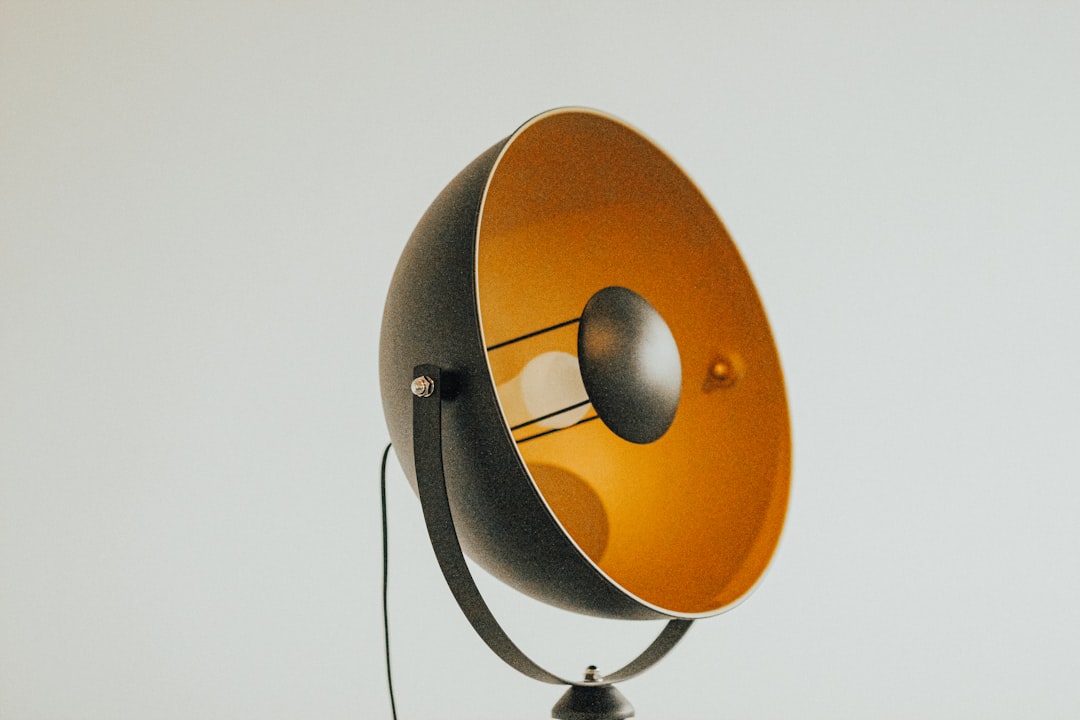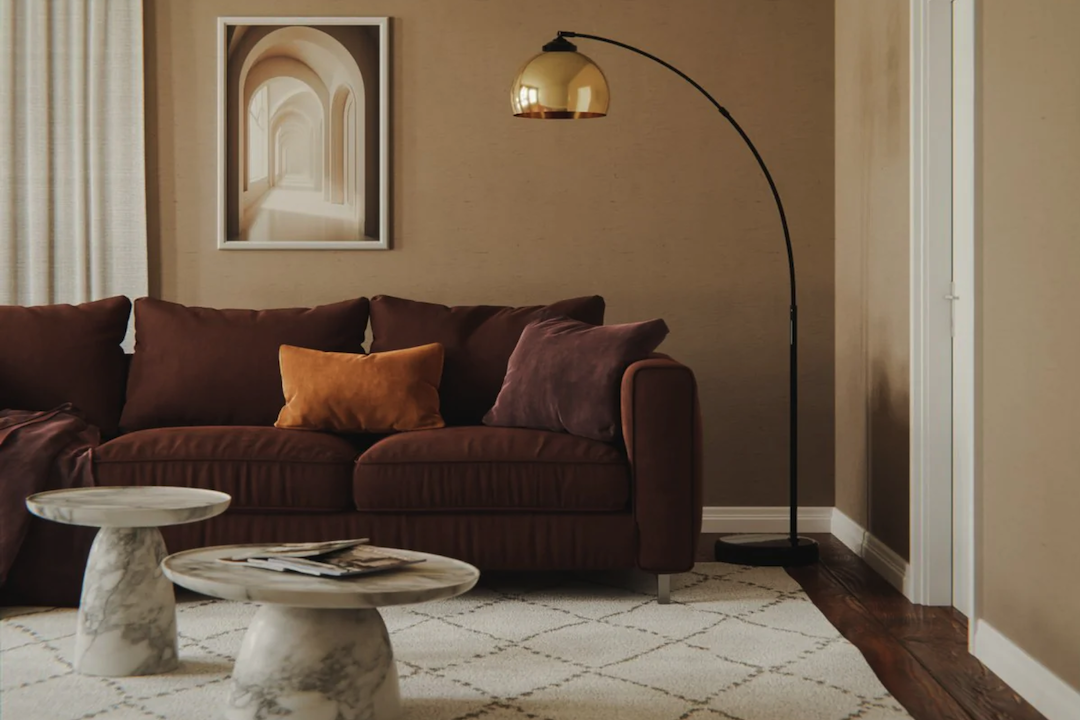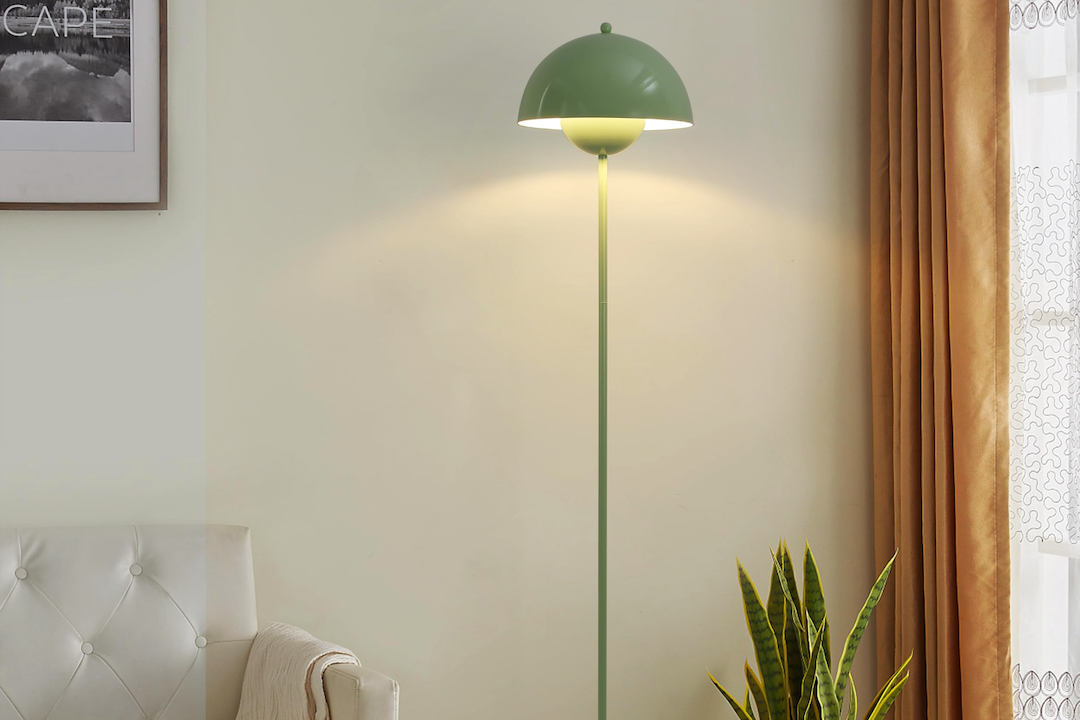

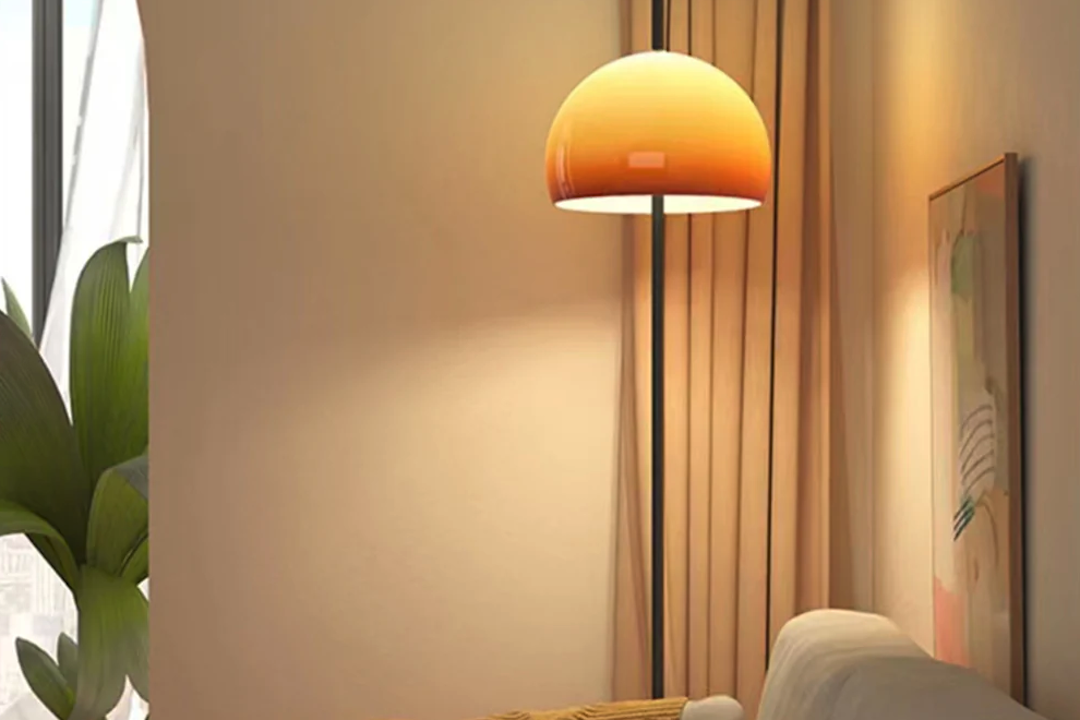
If you’re looking to elevate your dining room’s aesthetic and functionality, a Bauhaus glass floor lamp is a fantastic choice. These lamps, rooted in the iconic Bauhaus movement, offer a unique blend of minimalist design, practical illumination, and timeless sophistication that can truly transform your space.
When it comes to illuminating your dining space, you have a plethora of options. But a Bauhaus glass floor lamp Drauk stands out for several compelling reasons. It’s not just about light; it’s about making a statement and enhancing the overall ambiance.
A Nod to Timeless Design
The Bauhaus movement, born in Germany in the early 20th century, championed functionality, clean lines, and a “form follows function” philosophy. A Bauhaus glass floor lamp embodies these principles perfectly. It’s not adorned with unnecessary embellishments; instead, its beauty lies in its simplicity and purposeful design. This means it won’t clash with evolving decor trends but will rather serve as a classic piece that complements various styles, from ultra-modern to more transitional. This timeless quality is a huge advantage, as it means your investment in a quality lamp will stand the test of time, both aesthetically and functionally.
Optimal Illumination for the Dining Experience
Dining rooms require a specific kind of lighting. You need enough light to see your food clearly and engage in conversation, but you also want a soft, inviting glow that fosters a comfortable atmosphere. Many Bauhaus glass floor lamps are designed with diffusers or frosted glass, which create a soft, ambient light that washes over the room rather than creating harsh spotlights. This diffused light is perfect for dining, as it minimizes shadows and glare, making everyone at the table look and feel their best. Some designs also feature adjustable heads or dimming capabilities, offering even greater control over the lighting mood.
Maximizing Space and Versatility
Floor lamps, in general, are excellent for dining rooms because they don’t take up valuable table space, which is often at a premium in this area. A Bauhaus floor lamp, with its often slender profile and often integrated functionality, further enhances this benefit. Its footprint is typically minimal, allowing it to tuck neatly into a corner or beside a credenza without feeling obtrusive. Furthermore, due to their freestanding nature, they offer incredible versatility. You can easily reposition them for different occasions – perhaps pulling it closer to illuminate a centerpiece for a special dinner, or moving it slightly to create a cozier reading nook in an adjacent living area after a meal. This adaptability makes it a practical and valuable addition to any home.
Key Design Elements of Bauhaus Glass Floor Lamps
Understanding the core design principles of these lamps will help you choose the perfect one for your dining room. It’s about more than just a lamp; it’s about a piece of functional art.
The Beauty of Simplicity: Minimalist Aesthetics
One of the most defining characteristics of Bauhaus design is its embrace of minimalism. This translates into sleek lines, geometric shapes, and a complete absence of overly ornate decoration. You won’t find fussy carvings or excessive embellishments on a Bauhaus floor lamp. Instead, the focus is on the inherent beauty of the materials and the clean, functional form. This minimalist approach allows the lamp to integrate seamlessly into a variety of interior design schemes without overpowering other elements. It’s about achieving sophistication through restraint, letting the quality of the design speak for itself.
The Role of Glass: Diffusion and Elegance
Glass is a crucial material in many Bauhaus designs, and for good reason. In floor lamps, glass is often used to create shades or diffusers. This isn’t just for aesthetics; it plays a vital role in light quality. Frosted or opal glass, for example, softens the light, preventing harsh glare and creating a warm, inviting ambiance. Clear glass, on the other hand, can allow for more direct illumination while still maintaining a refined look. The transparency and reflectivity of glass also add a layer of elegance and lightness to the lamp, preventing it from feeling heavy or bulky in your dining space. The varied textures and opacities of glass allow for different lighting effects, from a broad, ambient glow to a more focused, subtle highlight.
Structural Integrity: Metal Bases and Stems
Typically, Bauhaus glass floor lamps will feature sturdy metal bases and slender metal stems. These elements are not only functional, providing stability and support for the glass components, but also integral to the aesthetic. Materials like polished chrome, brushed steel, or matte black finishes are common, reflecting the industrial influence of the Bauhaus movement. The combination of the sleek metal and delicate glass creates a pleasing visual contrast, highlighting the distinct characteristics of each material. The robust metal also ensures the longevity and durability of the lamp, making it a sound investment.
Geometric Forms and Balanced Proportions
Expect to see a lot of geometric shapes in Bauhaus design, and floor lamps are no exception. Cylinders, spheres, cubes, and rectilinear forms are often employed in the design of the base, stem, and shade. These geometric elements contribute to the lamp’s balanced proportions and a sense of order. The overall design often feels harmonious and well-composed, even with distinct individual components. This emphasis on geometric purity ensures that the lamp feels deliberate and considered, adding a sense of structure and sophistication to your dining room. A well-proportioned lamp will draw the eye without dominating the space.
Placement Pointers for Your Dining Room
Where you position your Bauhaus glass floor lamp can make a significant difference to its impact and effectiveness. Think about both aesthetics and the light distribution.
Enhancing Ambiance and Indirect Lighting
For creating a general sense of warmth and an inviting atmosphere in your dining room, consider placing the lamp in a corner or slightly behind a sideboard. This allows the light to bounce off walls and surfaces, diffusing it even further and creating a soft, ambient glow rather than direct illumination. This indirect lighting is particularly effective for dinner parties or intimate gatherings, as it minimizes harsh shadows and creates a more relaxed mood. You want the light to wash over the space, not spotlight specific areas aggressively.
Complementing Your Dining Table
While a floor lamp generally won’t be the primary light source directly over your dining table (that’s usually reserved for a pendant light or chandelier), it can certainly complement it. Position your Bauhaus floor lamp a few feet away from the table, perhaps slightly off-center. This provides additional light to the table surface without competing with or overpowering your main overhead fixture. It can help illuminate the faces of those seated at the table, making conversation easier and more pleasant, without being intrusive. Think of it as a subtle supporting act to your main lighting star.
Highlighting Artwork or Architectural Features
If your dining room features a striking piece of artwork, a built-in credenza, or interesting architectural details, a Bauhaus glass floor lamp can be strategically placed to highlight these elements. Position the lamp so its light gently washes over the feature you wish to emphasize. The diffused light from a glass shade is ideal for this, as it won’t create stark contrasts or glare on the artwork. It allows you to draw attention to these focal points, adding another layer of visual interest to your dining space. This is a great way to use lighting to define different zones or highlights within a larger room.
Avoiding Obstruction and Glare
When choosing a spot, always ensure the lamp isn’t obstructing walkways or creating uncomfortable glare for those seated at the table. A tall, slender Bauhaus floor lamp is less likely to be an issue, but consider the height of your dining chairs and eye-lines. Test different positions, perhaps at various times of day, to see how the light interacts with the room and how people will experience it. Glare can quickly ruin the ambiance, so pay careful attention to the angle of the light and where the light source itself is visible from different seating positions.
Integrating with Different Dining Room Styles
One of the great strengths of Bauhaus design is its adaptability. A Bauhaus glass floor lamp can seamlessly blend with and elevate various dining room aesthetics.
Modern and Contemporary Dining Rooms
This is where a Bauhaus glass floor lamp truly shines. Its clean lines, minimalist form, and often metallic finishes perfectly align with modern and contemporary decor. It will effortlessly integrate with sleek dining tables, upholstered chairs, and a refined color palette. The geometric precision of a Bauhaus lamp reinforces the contemporary feel, adding an element of sophisticated design without introducing clutter or visual noise. It acts as a natural extension of the room’s contemporary foundation, providing both light and an artistic touch.
Transitional Dining Spaces
For dining rooms that bridge the gap between traditional and contemporary, a Bauhaus glass floor lamp can provide an excellent unifying element. Its timeless design prevents it from looking out of place alongside more classic furniture pieces, while its simplicity offers a refreshing contrast. The unadorned nature of the lamp allows it to blend rather than compete, adding a subtle touch of modernism without disrupting the overall balance of a transitional space. It can introduce a touch of sleekness without feeling jarring.
Industrial-Inspired Dining Rooms
Given the Bauhaus movement’s origins in early 20th-century industrial design, these lamps are a natural fit for industrial-themed dining rooms. The exposed metal, functional aesthetic, and often raw, honest materials resonate well with industrial elements like exposed brick, concrete, and metal accents. A Bauhaus glass floor lamp can enhance the utilitarian yet stylish feel of such a space, providing a refined counterpoint to the more rugged textures often found in industrial designs. It adds a touch of polished intentionality.
Scandinavian or Minimalist Dining Rooms
The “less is more” philosophy of Scandinavian and minimalist design finds a perfect partner in a Bauhaus glass floor lamp. Its uncluttered form and emphasis on functionality directly align with these aesthetics. Choose a lamp with lighter metal finishes or a simple, understated design to complement the natural materials and airy feel often found in Scandinavian spaces. It provides essential lighting and a sculptural element without adding visual bulk, reinforcing the serene and uncluttered atmosphere.
Buying and Maintaining Your Bauhaus Glass Floor Lamp
A bit of practical advice can go a long way in ensuring your lamp serves you well for years to come.
Choosing the Right Size and Scale
Before purchasing, measure your dining room and consider the scale of your existing furniture. A floor lamp that is too small can look lost, while one that is too large can overwhelm the space. Pay attention to the height of the lamp, particularly in relation to your ceiling height and any existing overhead fixtures. A good rule of thumb is to ensure the lamp’s height complements other tall elements in the room, like sideboards or shelving units, without appearing disproportionate. Visualize it in the space, perhaps by cutting out a paper template of the base size to fully appreciate the footprint.
Material Quality and Craftsmanship
Since Bauhaus design emphasizes lasting quality and functionality, it’s important to invest in a lamp made from durable materials. Look for sturdy metal bases that won’t easily tip, high-quality glass shades that are free from imperfections, and well-finished surfaces. Reputable manufacturers and designers who specialize in Bauhaus reproductions or contemporary interpretations will often provide details on the materials used. This isn’t just about aesthetics; it’s about getting a piece that will stand up to daily use and retain its beauty over time. A well-made lamp is an investment worth making.
Lamp Type and Light Output (Lumens/Kelvin)
Consider the kind of light you want. Do you need a brighter ambient light? Look for a lamp with a higher lumen output and clear or lightly frosted glass. For a softer, more intimate glow, choose frosted or opal glass and possibly a lower wattage bulb. Also, think about the color temperature, measured in Kelvin (K). Warmer light (around 2700-3000K) is generally preferred for dining rooms as it creates a cozy, inviting atmosphere. Cooler light (4000K+) can feel too stark. Many lamps are compatible with LED bulbs, which offer energy efficiency and a wide range of light outputs and temperatures.
Cleaning and Care for Glass Components
Glass, while beautiful, does require a bit of care to keep it looking its best. For general dusting, a soft, dry microfiber cloth is usually sufficient. For fingerprints or smudges, use a glass cleaner specifically designed for lamps or a mild solution of water and vinegar, applied to a cloth (not directly to the lamp). Always ensure the lamp is unplugged before cleaning. Avoid abrasive cleaners or harsh scrubbing, as these can scratch or damage the glass. Regular, gentle cleaning will maintain the lamp’s pristine appearance and ensure maximum light output.
Bulb Replacement and Energy Efficiency
Familiarize yourself with the type of bulb your lamp uses and keep a spare on hand. If you haven’t already, consider switching to LED bulbs. They consume significantly less energy, last much longer than traditional incandescent bulbs, and are available in various light temperatures and brightness levels. This not only saves you money on your electricity bill but also reduces the frequency of bulb replacement, making your lamp more convenient and eco-friendly. Properly chosen LED bulbs can also enhance the overall quality of light in your dining space.
A Bauhaus glass floor lamp is more than just a lighting fixture; it’s a design statement that brings elegance, function, and a touch of history to your dining room. Its timeless appeal and versatile nature ensure it will be a cherished and practical addition for years to come.