
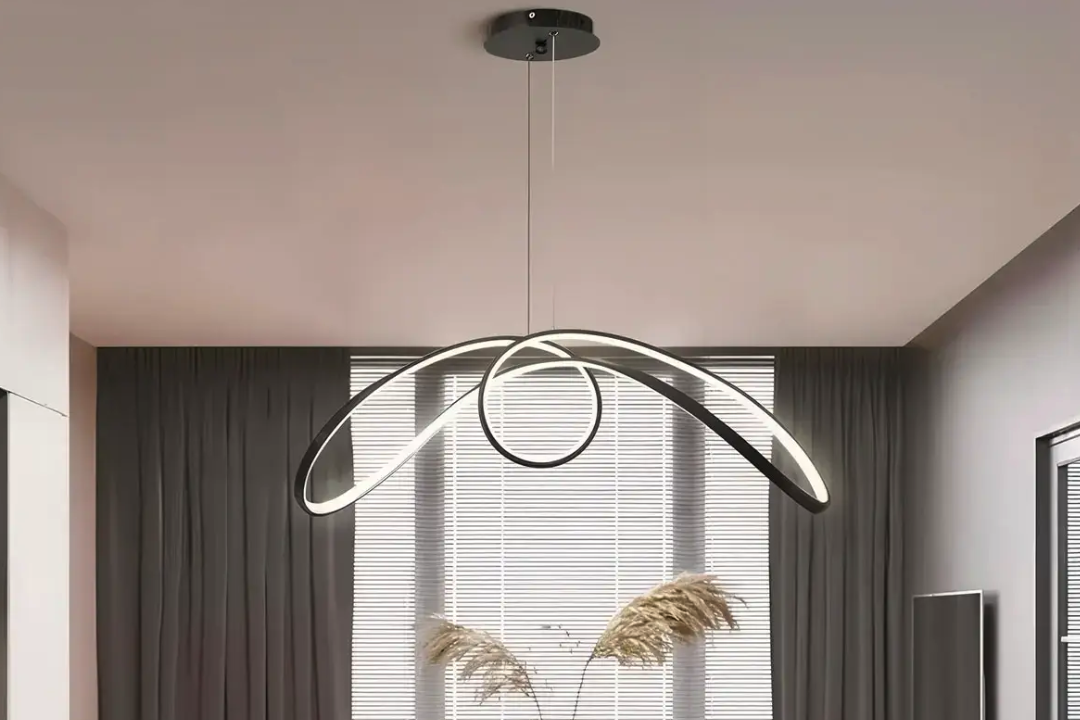
Looking to update your dining space? A modern minimalist pendant lamp is often the perfect finishing touch for a dining room table. It provides focused light, usually for conversation and eating, and ties the whole room together with its sleek design. These lamps are all about clean lines, understated elegance, and functional beauty, making them a popular choice for contemporary homes.
Minimalist design isn’t just a fleeting trend; it’s a philosophy focused on simplicity, functionality, and decluttering. When applied to lighting, especially above your dining table, it offers a refreshing alternative to more ornate or traditional fixtures.
Clean Aesthetic, Less Clutter
One of the biggest draws of minimalist pendant lamps Bilyhomes is their inherent simplicity. They don’t demand attention with excessive details or elaborate forms. Instead, they provide essential illumination in a refined package, contributing to an uncluttered and serene dining environment. This clean look helps the dining area feel more spacious and inviting, rather than overwhelmed by visual noise.
Focus on Function
Minimalism prioritizes function. These lamps are designed first and foremost to provide effective lighting for your dining table. While aesthetics are important, the primary goal is illumination, free from unnecessary embellishments that might detract from its purpose. This means you get excellent light quality without an overly fussy fixture.
Versatility in Design
The understated nature of minimalist pendants makes them incredibly versatile. They can seamlessly integrate into various decor styles, from industrial to Scandinavian, and even complement certain bohemian or rustic elements without clashing. Their simplicity allows them to adapt rather than dictate.
Timeless Appeal
Trends come and go, but simplicity often endures. A well-chosen minimalist pendant lamp is less likely to feel dated quickly compared to more elaborate or trend-specific designs, offering long-term aesthetic satisfaction and value.
Key Design Elements of Modern Minimalist Pendants
When we talk about “modern minimalist,” what specific features define these lamps? It’s not just about being plain; it’s about thoughtful design choices.
Simple Shapes
You’ll typically see geometric forms: cylinders, spheres, cones, or simple linear bars. These basic shapes are fundamental to the minimalist aesthetic, offering a sense of order and calm.
Cylindrical Pendants
Often a single, slender cylinder or a cluster of them, these fixtures provide downward-focused light and have a very clean, discreet presence.
Spherical or Globe Pendants
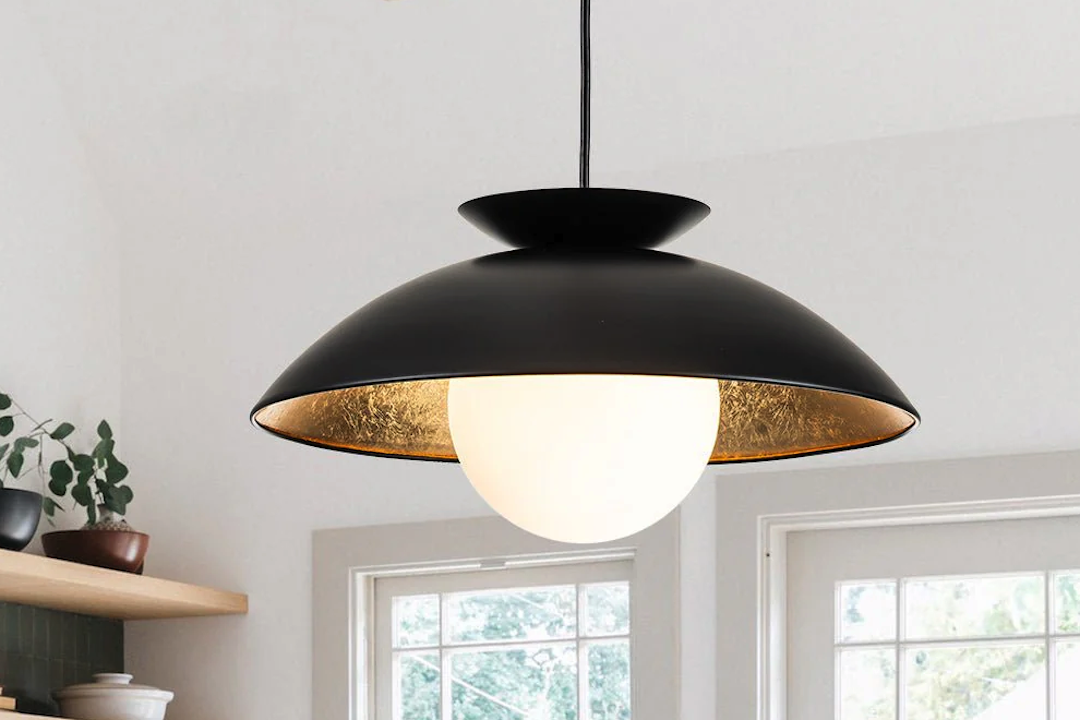
Whether opaque or clear, spherical pendants offer a soft, diffused light and a timeless appeal. They can range from perfect spheres to slightly flattened ovoids.
Linear Pendants
Perfect for longer tables, these are often a single bar extending across the table, sometimes with multiple light sources integrated within. They provide even illumination along the length of the table.
Cone Pendants
Similar to cylinders but with a distinct, often sharper, downward taper, cones offer a focused beam of light, ideal for spotlighting the table surface.
Understated Materials
Materials are often chosen for their inherent beauty and texture, without needing much additional ornamentation.
Metals
Brushed brass, matte black steel, chrome, or polished nickel are common. These finishes are typically sleek and unadorned, allowing the material itself to shine. Matte finishes are particularly popular for their subdued elegance.
Glass
Opal glass, frosted glass, or clear glass with a simple shape are frequently used. They diffuse light beautifully without adding visual clutter.
Concrete or Plaster
For a more industrial or raw minimalist feel, some designs incorporate these materials, offering a tactile texture and a weighty, earthy presence.
Wood Accents
Sometimes, a touch of natural wood is used to add warmth, often as a small cap or a delicate connecting element, contrasting with cooler materials like metal.
Monochromatic or Limited Color Palettes
Minimalist lamps rarely feature vibrant hues. You’ll mostly find black, white, gray, or metallic tones. This limited palette reinforces the clean and understated look, allowing the form and light quality to be the main focus.
Matte Black
A perennial favorite for its sophisticated and grounded feel, matte black can provide a strong visual anchor in a room.
Crisp White
Offers a light and airy feel, blending seamlessly into white ceilings or walls for a truly integrated look.
Metallics
Brushed brass adds a touch of warmth and luxury without being ostentatious. Chrome or polished nickel offer a crisp, modern gleam.
How to Choose the Right Minimalist Pendant for Your Dining Table
Selecting the perfect pendant involves more than just liking its look. It needs to work with your space, your table, and your lighting needs.
Consider Your Dining Table Size and Shape
The dimensions of your table are crucial. A small, single pendant might get lost above a large rectangular table, just as a long linear fixture would overwhelm a small round one.
Rectangular Tables
Longer tables often benefit from a linear pendant or multiple pendants (usually 2-3) hung in a row. The fixture or fixtures should cover roughly two-thirds to three-quarters of the table’s length. This ensures even light distribution across the entire eating surface.
- Rule of Thumb: If using multiple pendants, ensure equal spacing between them. The overall visual length of the lights should sit comfortably within the table’s footprint.
Round Tables
For round tables, a single, central pendant is usually the best choice. Its width should typically be about one-third of the table’s diameter. This creates a focal point without being disproportionately large or small.
- Tip: For very large round tables, you might consider a cluster of smaller pendants hung at varying heights for a more dynamic look, while still maintaining a central presence.
Square Tables
Similar to round tables, a single, central pendant works well. Ensure its size is appropriate for the table’s area, generally one-third of the table’s width.
Determine the Right Height
This is perhaps the most critical factor for both aesthetics and functionality. The general rule of thumb is to hang the bottom of the pendant between 30 and 36 inches (75-90 cm) above the tabletop.
Why Height Matters
- Preventing Glare: Too high, and the light can be less effective; too low, and it can be dazzling or obstruct views across the table. The sweet spot allows light to illuminate the table without shining directly into people’s eyes.
- Visual Balance: Correct height ensures the pendant is part of the composition, not an outlier. It should feel connected to the table below it.
- Conversation Flow: You want to be able to see and talk to the person across from you without a light fixture blocking your view.
Adjusting for Ceiling Height
If you have very high ceilings, you might lean towards the higher end of the 30-36 inch range, or even slightly higher, to maintain visual proportion with the rest of the room. Conversely, for lower ceilings, stick to the lower end of the range.
Testing the Height
It’s always a good idea to test the height before final installation. Have someone hold the fixture at different heights while you sit at the table. This allows you to experience it firsthand and find what feels most comfortable and looks best in your specific space.
Lumens and Light Temperature for Dining
Beyond the look, the actual light itself is paramount. You’re trying to create an inviting atmosphere for dining and conversation.
Brightness (Lumens)
For a dining room, you want enough light to see your food clearly and enjoy reading menus or interacting with table settings, but not so much that it feels like an operating room.
- General Guideline: Aim for between 1,500 and 3,000 lumens overall for your dining area, depending on the size of the room and how much natural light it receives. A single pendant might provide between 800-1500 lumens, requiring supplementary lighting from wall sconces or recessed lights if it’s the sole source.
- Dimmer Switch: This is non-negotiable. A dimmer switch is essential for adjusting the ambiance. Bright for homework or a detailed craft project, dim for a romantic dinner party.
Color Temperature (Kelvin)
This refers to how warm or cool the light appears. For dining, warmer light is generally preferred as it’s more flattering to food and complexions.
- Warm White (2700K – 3000K): This is the ideal range for dining rooms. It creates a cozy, inviting, and intimate atmosphere, perfect for meals and entertaining. It mimics the warm glow of incandescent bulbs.
- Neutral White (3500K – 4000K): Can be used if you prefer a slightly brighter, more modern feel, but generally less suitable for creating a truly warm dining environment. Avoid anything above 4000K for this space.
CRI (Color Rendering Index)
Aim for a high CRI (90+) for dining areas. A high CRI ensures that colors appear true to life under the light, making food look more appetizing and enhancing the overall visual experience.
Installation Considerations and Tips
Installing a pendant lamp requires a bit of planning, and sometimes, professional help.
Existing Electrical Box
Most dining rooms already have an electrical box in the ceiling, usually centered above where the table would go. If not, or if you need to move it, you’ll need an electrician.
Professional Installation
Unless you’re confident with electrical work, it’s highly recommended to hire a licensed electrician. They ensure safety, proper wiring, and secure mounting. This is especially true for heavier fixtures or if you’re dealing with a sloped ceiling.
Adjusting Cord Length
Minimalist pendants often come with adjustable cords. Before cutting any wires, test the hanging height. It’s always better to leave a little extra length initially, allowing for adjustments. You can usually gather excess cord into the canopy or trim it once the height is finalized.
Secure Mounting
Ensure the canopy (the part that attaches to the ceiling) is securely fastened. For heavier lamps, often a specific mounting bracket is provided, which needs to be anchored into a ceiling joist or appropriate blocking.
Smart Lighting Options
Many modern minimalist pendants are compatible with smart bulbs. This opens up a world of possibilities:
- Adjustable Brightness and Color Temperature: Fine-tune your lighting with an app or voice commands.
- Scheduling: Set lights to turn on/off at specific times.
- Scenes: Create pre-set lighting scenes for dinner parties, quiet evenings, or task lighting.
Finding Your Perfect Minimalist Pendant: Where to Look
The market is flooded with options, but certain retailers and brands specialize in minimalist design.
Online Retailers
Major online players like Wayfair, Amazon, Etsy, and specialty lighting stores (e.g., Lumens, YLighting, Rejuvenation) offer vast selections. Descriptions and reviews are key here.
Filtering and Searching
Use specific keywords: “modern minimalist pendant,” “linear pendant,” “spherical pendant,” “mid-century modern lighting” (as there’s often overlap). Filter by material, finish, and price range.
Boutique Lighting Stores
If available locally, these stores often have curated collections and knowledgeable staff who can offer personalized advice and show you scale in person.
Interior Design Showrooms
These are great for inspiration and seeing high-end options, even if you ultimately purchase elsewhere. You can get a feel for quality and how different materials look in a room setting.
Specific Brands to Consider (Examples)
- MENU (now Audo Copenhagen) / Nordic Living brands: Known for their sleek, functional Danish design.
- Foscarini / Flos: Italian brands that often lead in contemporary and minimalist designs with a touch of artistic flair.
- Schoolhouse / Rejuvenation: For a slightly more classic or industrial take on minimalism.
- Muuto: Another Scandinavian brand with clean lines and often softer color palettes.
- West Elm / CB2: Accessible modern designs that often fit the minimalist aesthetic.
Ultimately, a modern minimalist pendant lamp for your dining table isn’t just about illuminating a space; it’s about defining it. By focusing on clean lines, purposeful design, and smart functionality, you can create a dining area that is both stylish and incredibly welcoming, serving as a backdrop for countless memorable meals and conversations. It’s an investment in both your home’s aesthetic and its everyday comfort.