

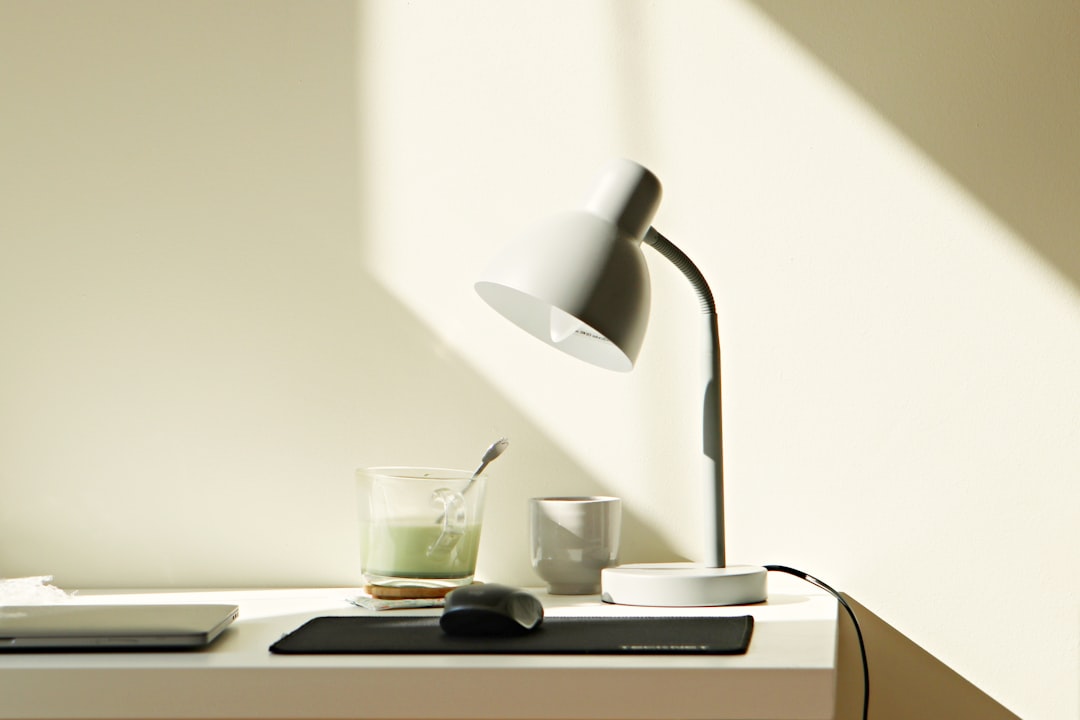
So, you’re thinking about a modern minimalist metal study room lamp. Smart move! It’s a great way to blend function with a clean aesthetic. Essentially, what you’re looking for is a lamp that provides good light for your work without adding visual clutter, and a metal construction usually means it’s built to last and has a sleek, contemporary feel. It’s less about flashing features and more about quiet competence and good design.
What to Look For in a Minimalist Metal Study Lamp
When we talk about minimalist metal study room lamps Lovefanli, we’re aiming for a few key things: effective lighting, a design that doesn’t shout, and durability. It’s about creating a focused and calming workspace.
Illumination Without the Glare
The primary job of a study lamp is to light up your workspace so you can see what you’re doing without straining your eyes. This is where specific lighting characteristics come into play.
Brightness Levels (Lumens)
You don’t want a lamp that’s either too dim to see by or so bright it feels like a spotlight. For study purposes, a good range is typically between 450 to 800 lumens. This provides enough general illumination for most tasks. Some lamps offer adjustable brightness, which is a definite plus. This allows you to dial in the perfect light for different times of day or the specific task you’re undertaking. For reading dense text, you might want it a bit brighter, while for a quick glance at your phone, a lower setting works fine.
Color Temperature (Kelvin)
This is a big one for study lamps. Color temperature affects how the light feels and can impact your concentration and mood.
- Warm White (2700K-3000K): This is the sort of light you get from traditional incandescent bulbs. It’s cozy and relaxing, great for evenings when you’re winding down, but not ideal for focused study as it can sometimes feel a bit too “sleepy.”
- Cool White / Daylight (4000K-6500K): This range is generally preferred for study lamps. A “cool white” (around 4000K) offers a neutral, crisp light that’s good for general tasks. “Daylight” (5000K-6500K) mimics natural daylight and is excellent for detailed work, reading, and areas where alertness is key. It can help you feel more focused and less prone to eye strain. Many minimalist lamps will offer at least one of these cooler tones.
Light Distribution
How the light is spread out is just as important as its intensity. A good study lamp should provide even illumination across your desk surface, avoiding harsh shadows that can make reading difficult. Some lamps have diffusers or shades designed to soften and spread the light, creating a more comfortable and less distracting lighting environment. The shape and angle of the lamp head can also influence light distribution.
The “Minimalist” Aspect: Form and Function
Minimalism in design isn’t just about stripping things down; it’s about intentionality. Every element should have a purpose, and the form should reflect that function.
Clean Lines and Simple Silhouettes
This is the hallmark of minimalist design. Think smooth, uninterrupted lines, geometric shapes, and a lack of unnecessary ornamentation. A good minimalist lamp will likely have a slender arm, a simple base, and a streamlined lamp head. The goal is for the lamp to blend seamlessly into the background rather than becoming a focal point that disrupts the calm of your study space. It’s about creating a sense of order and quiet beauty.
Muted Color Palettes
While we’re focusing on metal, the finish is key. Matte blacks, brushed silvers, graphite greys, and sometimes even subtle whites or metallic earth tones are common. These colors don’t draw excessive attention and contribute to the overall understated elegance. They are neutral and adaptable, fitting into a variety of decor styles without clashing.
Absence of Clutter
Minimalist lamps typically avoid unnecessary bells and whistles. You won’t find ornate carvings, excessive buttons, or bulky switches. Controls are usually integrated subtly, if they are visible at all. The idea is to make the lamp itself disappear a little, letting its function do the talking.
Metal Materials: Durability and Aesthetics
The choice of metal plays a significant role in both the lamp’s lifespan and its visual appeal.
Quality of Metal
When searching for a metal study lamp, pay attention to the type of metal used. Steel, aluminum, and sometimes brass or copper (often with a modern finish) are common.
- Steel: Durable and often used for bases and arms. It can be quite heavy, which adds stability. Finishes vary widely.
- Aluminum: Lighter than steel but still robust. It’s also corrosion-resistant and can be easily shaped into various designs. Often found in more modern, sleeker designs.
- Brass/Copper: While sometimes associated with more traditional styles, when finished in brushed or matte tones, these metals can lend a very sophisticated, contemporary edge to a minimalist lamp. They can add a touch of warmth and subtle luxury.
Finishes Matter
The finish applied over the metal is crucial for its minimalist look.
- Matte Finishes: These are very popular in minimalist designs. They absorb light rather than reflecting it, which gives a sophisticated, non-glare appearance. Matte black, matte grey, and matte white are staples.
- Brushed Finishes: These have a subtle texture that adds a bit of visual interest without being flashy. Brushed nickel, brushed aluminum, or brushed steel provide a sophisticated shimmer.
- Powder Coating: A common and durable finishing process that provides a smooth, even, and often matte surface. It’s resistant to scratching and chipping.
Stability and Weight
A good metal study lamp needs to be stable on your desk. A heavier base made of solid metal provides that essential ballast, preventing the lamp from tipping over when you adjust its position or if your desk gets jostled. Ensure the joint mechanisms are also well-made to hold their position securely.
Design Variations and Features
While the core principles of minimalism and metal construction are consistent, there’s a fair bit of variety in how these lamps are designed and what features they offer.
Lamp Styles to Consider
The overall form factor can differ quite a bit, allowing you to choose based on your desk setup and personal preference.
The Classic Architect Lamp
This is probably the most iconic type of study lamp, and for good reason. Its articulated arm allows for incredible flexibility in positioning the light exactly where you need it. Minimalist versions will feature slender metal arms, a weighted base, and a clean, unadorned shade. They are incredibly practical for tasks requiring precise light placement.
- Adjustability: Look for smooth, positive tension in the joints so the arm stays put.
- Shade Design: Even the shade will be streamlined, typically a simple cylinder or a slightly tapered cone.
The Desk Lamp with a Fixed Arm
These lamps have a more sculptural feel. The arm might be a single, clean sweep of metal, or a more geometric arrangement. While less flexible than an architect lamp in terms of vertical adjustment, they still offer good reach and the ability to angle the light.
- Aesthetic Focus: These designs often emphasize the beauty of the metal itself and the elegance of the sculpted form.
- Placement: Best suited for situations where you have a consistent workflow and don’t need to move the light source constantly.
The Clamp-On Style Lamp
For desks with limited surface area, or if you prefer to keep your workspace completely clear, a clamp-on metal minimalist lamp is a fantastic option. It attaches securely to the edge of your desk, leaving your desktop free.
- Space Saving: The ultimate in clutter reduction if desk space is at a premium.
- Stability: A well-designed clamp is crucial to ensure the lamp is secure and doesn’t wobble.
Minimalist Floor Lamps for Study Areas
While we’re primarily talking about desk lamps, a minimalist metal floor lamp can also serve as an excellent light source for a reading nook or a more expansive study area. These are often sleek, tall, and unobtrusive, casting light downwards or upwards.
- Focused Illumination: Many are designed to direct light precisely onto a task.
- Atmospheric Lighting: Some can provide ambient light that complements a task light.
Integrated LED vs. Replaceable Bulbs
This is a modern consideration that impacts maintenance and longevity.
Integrated LEDs
Many contemporary minimalist lamps feature built-in LED lighting.
- Sleek Design: Allows for very slim profiles and integrated light sources that are part of the lamp’s aesthetic.
- Energy Efficiency: LEDs are incredibly power-efficient and have very long lifespans.
- Potential Downside: When the LED eventually burns out, the entire lamp might need to be replaced, as the light source isn’t user-replaceable. However, high-quality integrated LEDs often last for tens of thousands of hours.
Replaceable Bulb Options
Some minimalist lamps are designed to accept standard (or specialized) bulbs.
- Flexibility: You can choose the exact brightness and color temperature you prefer by selecting your bulb.
- Easy Replacement: If the bulb burns out, you simply unscrew it and replace it with a new one.
- Design Constraints: The design needs to accommodate a socket and a standard bulb size, which can sometimes make the lamp head slightly bulkier than integrated LED designs.
Smart Features and Controls
While minimalist design often shies away from overt technology, some lamps incorporate subtle smart features.
Dimmability and Color Temperature Adjustment
As mentioned earlier, the ability to adjust brightness is a major plus. Some lamps also allow you to shift the color temperature, giving you greater control over the lighting environment.
- Touch Controls: Often integrated seamlessly into the lamp base or arm, offering a clean look.
- App Control: Less common in purely minimalist designs, but some offer Bluetooth or Wi-Fi connectivity for control via a smartphone app.
Timer Functions
Some more advanced lamps might include a built-in timer, which can be useful for study sessions or to ensure you don’t leave the light on accidentally.
Placement and Usage Tips
Even the best lamp needs to be placed correctly to be effective.
Positioning for Optimal Lighting
Where you put the lamp on your desk makes a big difference.
Avoiding Shadows
If you’re right-handed, place the lamp on your left. If you’re left-handed, place it on your right. This way, your hand won’t cast a shadow over your work as you write or draw.
Directing Light
Angle the lamp head so the light directly illuminates your task area – your book, notepad, keyboard, etc. Avoid pointing it directly at your eyes or at a reflective screen where it could cause glare.
Desk Surface Considerations
Consider the material of your desk. A glossy surface can reflect light more readily, potentially causing glare. A matte surface is generally better for study lighting.
Desk Organization and the Minimalist Lamp
The lamp should complement, not compete with, your organized workspace.
Keeping the Area Around the Lamp Clear
A minimalist lamp looks best when it’s not surrounded by a jumble of pens, papers, and other clutter. Try to maintain a clean space around the base and arm.
Cord Management
The cord is the enemy of minimalist aesthetics. Look for lamps with shorter cords, or consider using cable clips or ties to keep the cord tidy and out of sight. Some lamps even feature integrated cord management solutions.
Utilizing Adjustable Features
If your lamp has adjustable arms or heads, make full use of them.
Task-Specific Adjustments
Need to read a large document? Extend the arm and lower the head. Working on a small detail? Bring the light closer and angle it precisely.
Day and Night Settings
Use the dimming and color temperature adjustments to suit the natural light available and your own body clock. Brighter, cooler light when you need to focus, and perhaps a softer, warmer light as the evening progresses or when taking a break.
Material Care and Longevity
Metal lamps are typically built to last, but a little care goes a long way.
Cleaning Your Metal Lamp
Maintenance is usually straightforward, but it depends on the finish.
Gentle Cleaning
For most matte or brushed metal finishes, a soft, dry microfiber cloth is usually all you need.
Dealing with Dust and Smudges
If you need to tackle smudges or fingerprints, use a slightly damp cloth (water only, or a very mild, non-abrasive cleaner diluted with water). Always dry the metal thoroughly afterward to prevent water spots or corrosion.
Avoiding Harsh Chemicals
Never use abrasive cleaners, steel wool, or strong chemical solvents. These can scratch, dull, or damage the finish of your lamp, especially powder-coated or painted surfaces.
Checking Joints and Mechanisms
Periodically, especially with articulated arms, it’s worth checking that the joints remain snug.
Tightening Screws
Many lamps have small screws at the joints. If the arm starts to droop, a gentle tightening of these screws might be all that’s needed. Be careful not to over-tighten.
Lubrication (Rarely Needed)
In rare cases, if a joint feels stiff, a tiny drop of graphite lubricant or a specialized metal lubricant might help, but this is typically not something you’ll need to do often, if at all.
LED Lifespan Considerations
If your lamp has integrated LEDs, remember their lifespan.
Understanding Lumens Degradation
While LEDs don’t “burn out” like incandescent bulbs, their light output can gradually decrease over time. This is a slow process, and for most quality lamps, you won’t notice it for many years.
Powering Off
Turning off the lamp when not in use, even for short periods, can marginally extend the life of the LEDs.
Why a Minimalist Metal Lamp is a Good Study Investment
It’s easy to get caught up in the aesthetics, but the practical benefits of a well-chosen minimalist metal study lamp can make a real difference.
Durability and Long-Term Value
Metal construction generally means the lamp is more robust than plastic alternatives. A well-made metal lamp can last for years, even decades. This makes it a worthwhile investment when you consider the cost per year of use. It will likely withstand the rigors of daily use – adjustments, occasional bumps – much better than a lighter-weight lamp.
Fostering a Focused Environment
The clean, uncluttered design of a minimalist lamp contributes to a calm and organized study space. By not adding visual noise, it helps you stay focused on your work. It creates an atmosphere conducive to concentration, reducing distractions and promoting mental clarity. This is particularly important in a study room, where your primary goal is to learn and be productive.
Timeless Aesthetics
Minimalist design, by its nature, tends to be timeless. Unlike trendy designs that can quickly look dated, a well-executed minimalist metal lamp will likely remain stylish for a long time. It’s a piece that can move with you and adapt to different decor styles without ever feeling out of place. You’re not just buying a lamp; you’re investing in a piece of functional art that won’t go out of fashion.
Practical Lighting Solutions
Ultimately, the lamp’s primary function is to provide good light. A minimalist lamp, designed with purpose, excels at this. The focus on effective illumination without unnecessary frills means you get a lamp that does its job exceptionally well. Whether it’s the brightness, the color temperature, or the way the light is diffused, these lamps are engineered to support your study habits.
Choosing a modern minimalist metal study room lamp is about making an informed decision that balances form, function, and longevity. It’s about creating a workspace that supports your productivity and well-being without unnecessary visual clutter.