
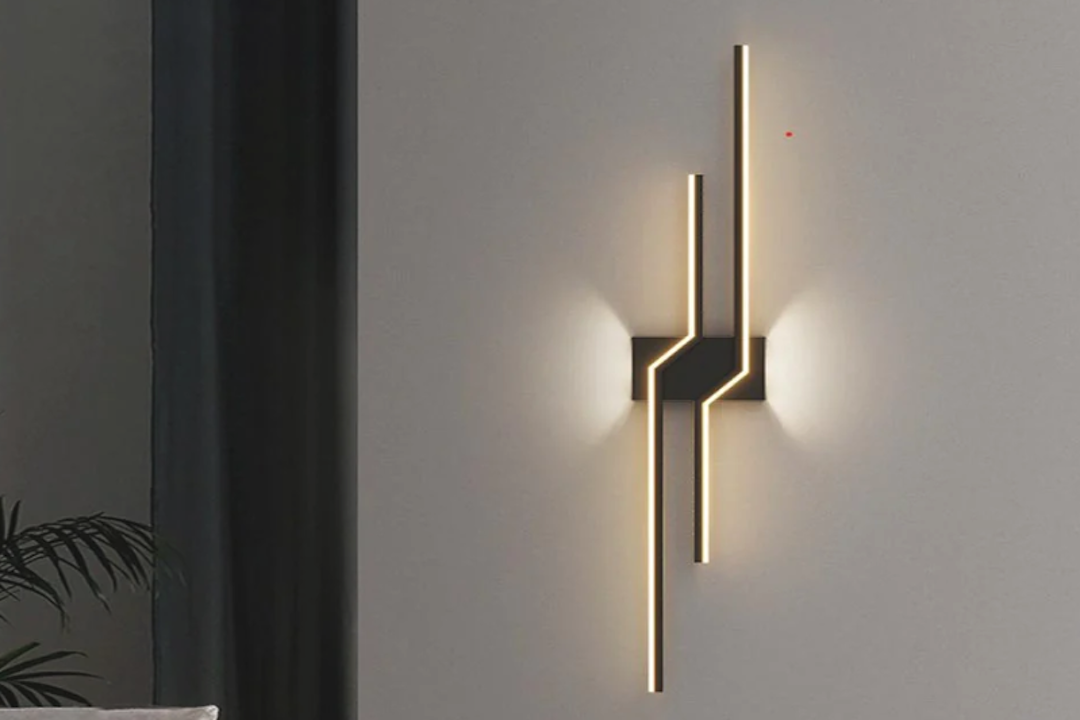
For those seeking to illuminate their space with understated sophistication, a minimalist linear art wall lamp in a black and white palette offers a compelling solution. These fixtures are designed to meld seamlessly with
contemporary interiors, providing focused lighting without overwhelming the room’s aesthetic. They prioritize clean lines, basic geometry, and a monochromatic scheme to create a sense of calm and order. The appeal lies in their ability to deliver both form and function, acting as subtle art pieces that also serve a practical purpose.
At its core, a minimalist linear art wall lamp Nanolamps is about stripping away the superfluous to highlight the essential. This isn’t just a design choice; it’s a philosophy that impacts every aspect of the lamp’s creation.
The Essence of Minimalism in Lighting
Minimalism in lighting means prioritizing function and simplicity. It’s about creating light fixtures that integrate rather than dominate. You won’t find fussy details, elaborate ornamentation, or overly complex forms here. Instead, the focus is on a clean, unobtrusive presence.
Linear Form Factor
The “linear” aspect refers to the lamp’s shape. These aren’t your typical rounded sconces or dome-shaped fixtures. They are elongated, often slender, and frequently in straight lines or gentle curves. This linear quality contributes to a sense of order and precision.
Black and White Palette
The choice of black and white isn’t just about neutrality; it’s about contrast and definition.
- Black: Often used for the lamp’s housing or a dominant structural element, black provides depth and a strong visual anchor. It can recede into the background or make a bold statement depending on its placement.
- White: Typically used for the light-emitting surface, or sometimes as the housing itself, white reflects light and enhances the lamp’s clean aesthetic. It suggests purity and openness.
Function Over Ornamentation
While these lamps have an artistic quality, their primary role is to provide light. Any aesthetic elements are usually integrated into the functional design, such as a subtle curve that directs light, rather than being purely decorative. The “art” comes from the elegance of the form itself.
Where Do These Lamps Fit Best?
The versatility of minimalist linear art wall lamps in black and white makes them suitable for a wide range of environments. They excel in spaces where you want to maintain a clean aesthetic and avoid visual clutter.
Contemporary Living Spaces
In modern living rooms, dining areas, and bedrooms, these lamps can act as subtle accents. They provide ambient light, task lighting, or even general illumination without drawing excessive attention to themselves.
Hallways and Corridors
Long, narrow hallways often benefit from linear lighting. These lamps can create a sense of direction and expand the perceived space, making a utilitarian area feel more intentional and stylish.
- Illuminating pathways: They help guide the eye along the corridor.
- Creating visual interest: A series of well-placed linear lamps can break up a long, plain wall.
Home Offices and Studies
For concentrated work, good lighting is crucial. A minimalist linear lamp can provide focused light over a desk or illuminate a wall without adding visual distractions, fostering a productive environment.
Commercial and Hospitality Settings
Beyond the home, these lamps are a natural fit for:
- Galleries: Where the focus should be on the art, not the fixtures.
- Boutique hotels: Contributing to a sophisticated, understated ambiance.
- Modern office spaces: Supporting a sleek, professional aesthetic.
Practical Considerations Before Buying
Before you commit to a specific design, it’s wise to think through some practical aspects. These lamps, while minimalist, still need to meet your specific needs.
Brightness and Light Output
The “art” in these lamps doesn’t mean sacrificing functionality. Consider the lumens and wattage.
- Ambient lighting: For general room illumination, you’ll need higher lumen output or multiple fixtures.
- Task lighting: For reading or working, focus on fixtures that cast light directly where needed.
- Accent lighting: To highlight a feature, a lower lumen output might be sufficient.
Light Temperature (Color Temperature)
The Kelvin (K) rating of the light determines its warmth or coolness.
- Warm white (2700K – 3000K): Creates a cozy, inviting atmosphere, suitable for living rooms and bedrooms.
- Neutral white (3500K – 4000K): A balanced light, good for kitchens, bathrooms, and task-oriented spaces.
- Cool white (5000K+): Brighter, more invigorating, often used in offices or commercial settings but can feel stark in a home.
Installation Requirements
Wall lamps typically require hardwiring.
- Electrical box: Ensure you have an existing electrical box or are prepared to install one.
- Professional installation: If you’re not comfortable with electrical work, hiring an electrician is advisable.
- Surface mounting vs. recessed: Most minimalist linear lamps are surface-mounted, meaning they sit on the wall’s surface, while a few might offer recessed options for a truly flush look.
Size and Scale
Measure your space and consider the lamp’s dimensions carefully.
- Wall proportion: A small lamp on a large wall can look lost; a large lamp on a small wall can feel overwhelming.
- Placement: Consider if it will be a standalone piece or part of a larger arrangement.
- Ceiling height: Taller ceilings can accommodate larger, more dramatic linear fixtures.
Dimming Compatibility
Many modern minimalist lights are compatible with dimmers. This is a valuable feature for:
- Mood setting: Adjusting the light intensity to suit different activities or times of day.
- Energy saving: Reducing power consumption when full brightness isn’t needed.
- Extending bulb life: Dimmers can prolong the life of LED components.
Design Versatility and Aesthetic Impact
The black and white color scheme, combined with linear forms, opens up a world of design possibilities. These lamps are more than just light sources; they are integral parts of the room’s composition.
Creating Visual Impact with Simplicity
The beauty of these lamps lies in their ability to make a statement without being flashy.
- Contrast and definition: The black and white instantly creates visual interest.
- Clean lines: They contribute to a sense of order and precision in the space.
- Sculptural elements: Even a simple line of light can become a focal point.
Pairing with Existing Decor
One of the strengths of black and white is its universality.
- Harmonizing with neutrals: They blend seamlessly with greys, beiges, and other muted tones.
- Balancing bold colors: If your room has vibrant furniture or artwork, these lamps provide a calming counterpoint.
- Working with natural materials: They pair well with wood, stone, and metal, enhancing a modern industrial or Scandinavian aesthetic.
Vertical, Horizontal, or Angled Installation
The linear nature allows for flexible installation.
- Vertical: Can make ceilings feel higher or act as subtle wall sconces.
- Horizontal: Ideal for illuminating artwork, mirrors, or as an overhead strip in a hallway.
- Angled/Abstract: Some designs allow for more dynamic, art-like arrangements on a wall.
Integrating with Smart Home Systems
Many contemporary fixtures, especially those using integrated LEDs, are designed to work with smart home technology.
- Voice control: Adjust brightness or turn lights on/off with voice commands.
- App control: Manage lighting from your smartphone or tablet.
- Scheduled lighting: Automate lighting changes throughout the day.
- Scene creation: Program different lighting settings for various activities or moods.
Maintenance and Longevity
While minimalist in appearance, these fixtures still require some basic care to ensure they continue to look good and function effectively for years to come.
Cleaning Instructions
Keeping your black and white lamp dust-free is important for maintaining its crisp look and optimal light output.
- Dusting: A soft, dry microfiber cloth is usually sufficient for regular dusting.
- Gentle wiping: For smudges, a slightly damp cloth with plain water can work. Avoid harsh chemical cleaners as they can damage finishes.
- Power off: Always turn off the power to the fixture before cleaning to prevent accidental injury.
LED Lifespan and Replacement
Most modern minimalist linear lamps utilize integrated LED technology.
- Longevity: LEDs boast significantly longer lifespans than traditional bulbs, often lasting tens of thousands of hours.
- Integrated units: In many cases, the LEDs are built directly into the fixture and are not designed to be user-replaceable. This is something to consider when purchasing; if the LEDs fail, the entire fixture might need replacement.
- Warranty: Always check the manufacturer’s warranty for LED components, as this can offer peace of mind.
Material Durability
The materials used contribute to the lamp’s overall longevity and aesthetic retention.
- Metal: Common choices include aluminum, steel, or brass, often powder-coated in black or white. These are generally durable and resistant to wear.
- Acrylic/Diffusers: The light-emitting part is typically covered by a diffuser, often made from acrylic or frosted glass. These can be prone to scratching if not handled carefully.
- Finish quality: A good quality powder-coat finish should resist chipping and fading over time.
Troubleshooting Common Issues
While generally reliable, issues can sometimes arise.
- Flickering: Could be due to an incompatible dimmer, loose wiring, or a faulty LED driver. Check connections and ensure dimmer compatibility.
- No light: Verify power supply, circuit breaker, and wiring connections. If it’s an integrated LED, a professional might be needed to diagnose a driver issue.
- Buzzing noise: Often indicative of an incompatible dimmer switch or electromagnetic interference.
Conclusion
Minimalist linear art wall lamps in black and white are more than just functional light sources; they are deliberate design choices that enhance modern environments. Their commitment to simplicity, clean lines, and a classic monochrome palette allows them to integrate seamlessly while still making a quiet, impactful statement. By considering the practical aspects of light output, installation, and maintenance, you can select a fixture that not only illuminates your space effectively but also elevates its overall aesthetic, contributing to a calm, sophisticated, and thoughtfully designed interior. They offer a refined way to bring light and visual interest into a room without compromising on the principles of modern minimalism.