
This article explores the aesthetic and functional aspects of stylish minimalist metal chandeliers in contemporary residential design. It examines their historical context, design principles, material considerations, and their integration into modern living spaces, offering practical insights for homeowners and designers.
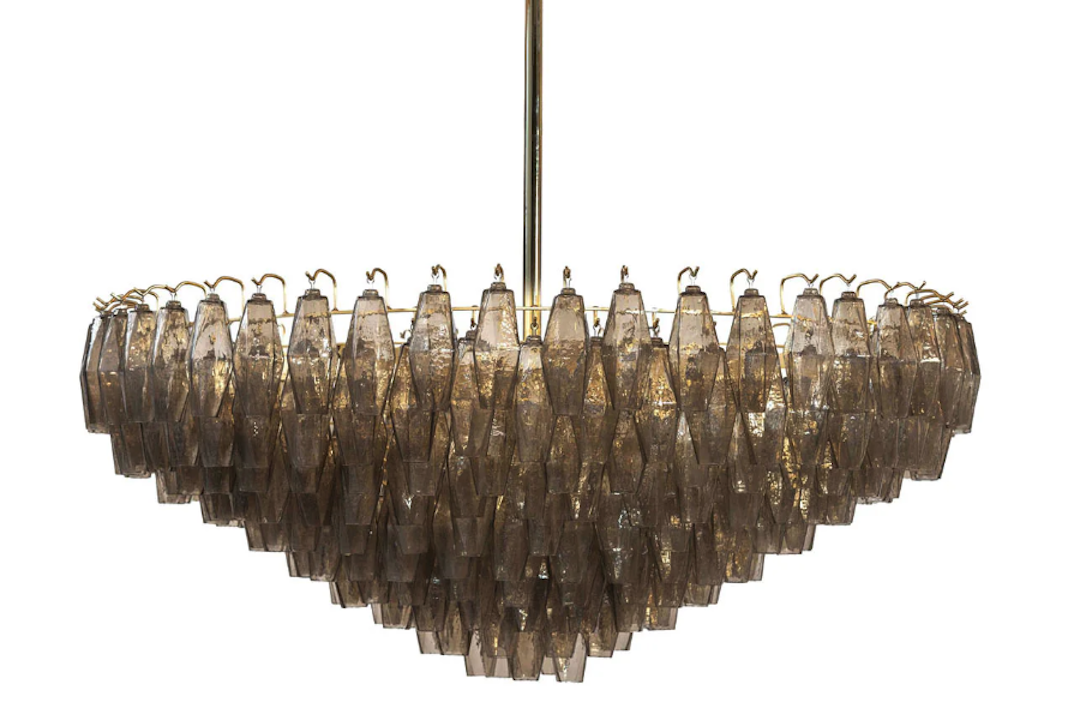
The chandelier, historically a symbol of opulence and grandeur, has undergone significant transformations to align with modern architectural and interior design principles. From intricate, multi-tiered crystal fixtures that dominated grand halls, its form has distilled into something more streamlined and unassuming. This evolution reflects a broader shift in design philosophy, moving away from ornamentation for its own sake towards an emphasis on function, materiality, and clean aesthetics.
From Baroque Extravagance to Form Follows Function
Prior to the 20th century, chandeliers were primarily status symbols, often laden with ornate details, countless crystals, and intricate metalwork. The advent of modernism in the early 20th century challenged these conventions. Architects and designers like Ludwig Mies van der Rohe and Walter Gropius championed the “form follows function” principle, advocating for designs that were stripped of superfluous decoration and prioritized utility. This paradigm shift, initially applied to architecture and furniture, gradually influenced lighting Scules design. The complex, sculptural forms of traditional chandeliers began to be perceived as clunky and antithetical to the burgeoning modernist aesthetic. Designers sought to distill the essence of the chandelier, focusing on its ability to illuminate a space without commanding undue visual attention or competing with other design elements.
The Influence of Industrial Design on Lighting
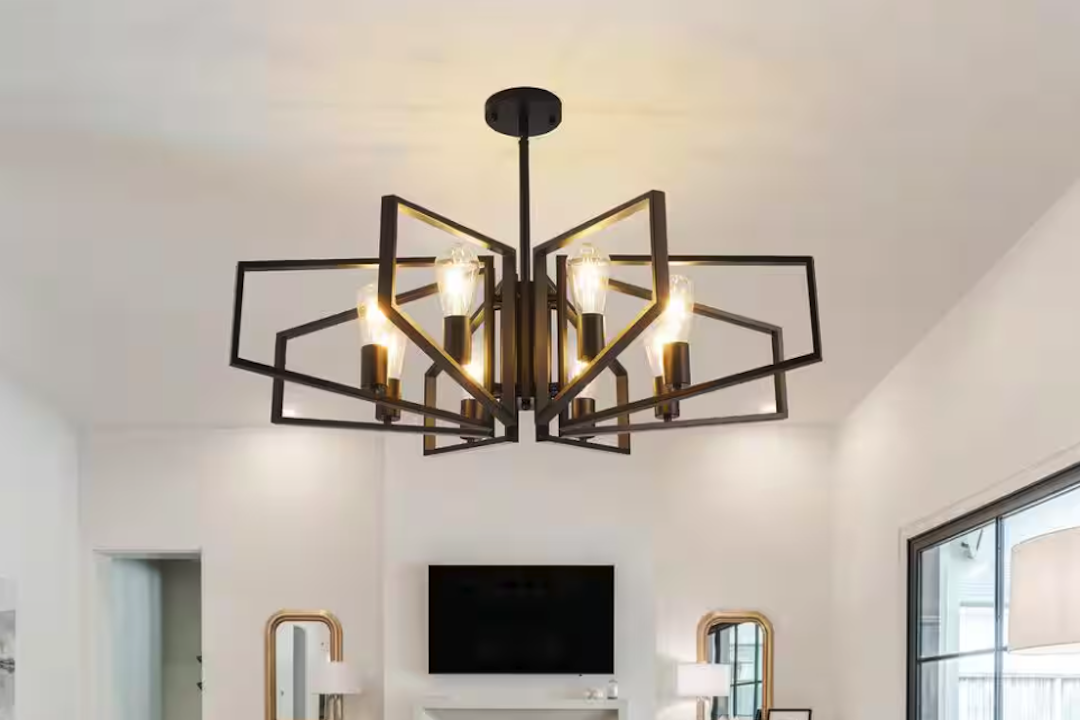
The rise of industrial design, with its emphasis on mass production, efficiency, and the inherent beauty of raw materials, further propelled the evolution of minimalist chandeliers. Factories and workshops, with their exposed metal structures and functional lighting fixtures, provided a new source of inspiration. Designers began to appreciate the stark beauty of unadorned metal, its strength and versatility. This led to the emergence of lighting designs that celebrated the intrinsic properties of materials rather than attempting to conceal them under layers of decoration. The industrial aesthetic, characterized by exposed bulbs, simple geometric shapes, and robust metal frames, laid the groundwork for the modern minimalist metal chandelier. These early designs often featured unpolished metals, reflecting a pragmatic approach to material usage and a rejection of elaborate finishes.
Defining Stylish Minimalist Metal Chandeliers
Stylish minimalist metal chandeliers are characterized by their simplicity, clean lines, and an understated elegance that complements contemporary interiors. These fixtures are not merely light sources but integral components of a cohesive design narrative.
Core Principles of Minimalist Design in Lighting
Minimalist design, at its heart, is about reduction – the removal of non-essential elements to emphasize what remains. In the context of chandeliers, this translates to a focus on essential form, material integrity, and the quality of light produced. A minimalist metal chandelier typically features:
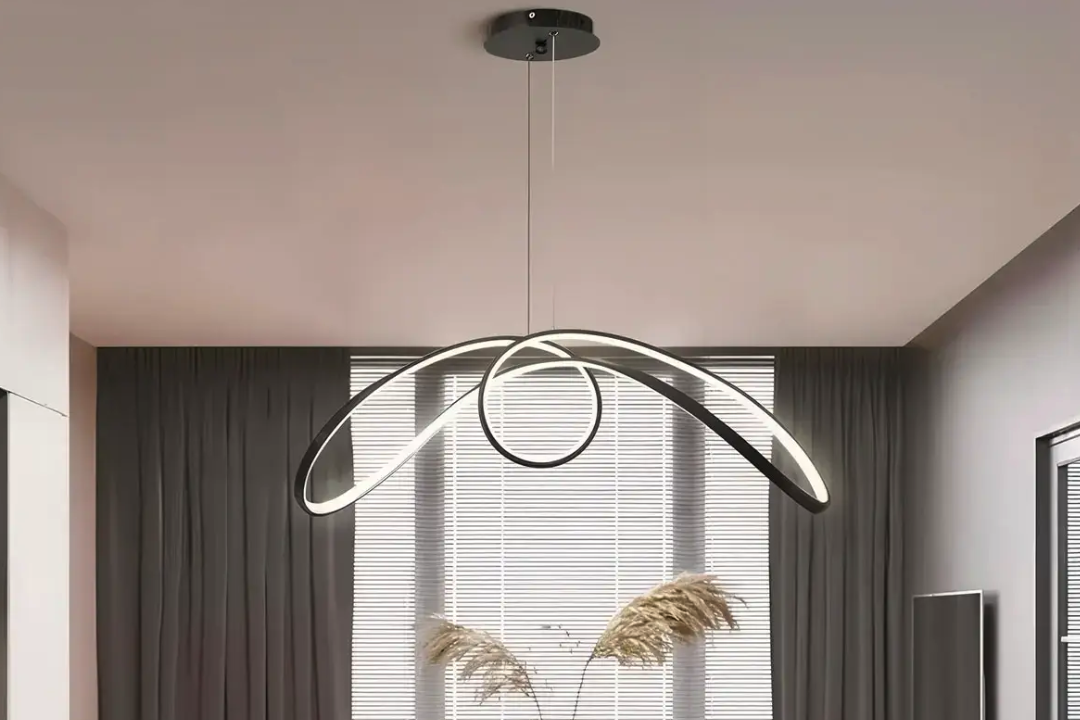
- Geometric forms: Squares, circles, rectangles, and linear arrangements are common, avoiding organic or overly complex shapes. These forms contribute to a sense of order and balance within a space.
- Absence of ornamentation: There are no decorative flourishes, engravings, or excessive embellishments. The beauty derives from the inherent qualities of the metal and the precision of its fabrication.
- Understated finishes: Matte black, brushed brass, polished chrome, and unlacquered steel are frequently employed. These finishes enhance the material’s character without creating visual noise.
- Focus on light output: While design is paramount, the primary function of a chandelier – illumination – is never compromised. The light source itself may be subtly integrated or, conversely, treated as a deliberate design element, such as exposed Edison bulbs.
- Proportion and balance: The size and scale of the chandelier are carefully considered in relation to the space it occupies, ensuring it neither overwhelms nor gets lost.
Materiality and Finish Choices
The selection of metal is crucial to the aesthetic of a minimalist chandelier. Each metal possesses distinct properties and visual characteristics that contribute to the fixture’s overall appeal.
- Steel (Powder-Coated or Brushed): Steel, particularly when powder-coated in matte black or white, offers a robust and versatile option. Its strength allows for slender profiles and expansive structures. Brushed steel provides a subtle texture and industrial edge. Its durability and widespread availability make it a cost-effective choice.
- Brass (Brushed or Polished): Brass, with its warm, golden hue, adds a touch of sophistication and richness. Brushed brass offers a soft, muted luster, while polished brass provides a more reflective and opulent finish. Over time, unlacquered brass will develop a patina, a characteristic often appreciated by designers for its organic evolution.
- Aluminum (Anodized or Powder-Coated): Aluminum is lightweight and highly malleable, allowing for intricate and delicate designs. Anodized aluminum offers a durable, corrosion-resistant finish in various colors, while powder-coating provides a wide range of aesthetic possibilities. Its lightweight nature simplifies installation in many cases.
- Copper (Natural or Patinated): Copper, particularly in its natural, rose-gold state or allowed to develop a natural verdigris patina, presents a distinct visual character. It lends a warmth and earthy quality to the space. Copper can be a more costly option and requires specific handling for maintenance.
The finish applied to the metal also plays a significant role. Matte finishes absorb light, creating a subdued and sophisticated look, while polished or brushed finishes reflect light, adding luminosity and visual interest. The choice of finish directly influences how the chandelier interacts with ambient light and the surrounding interior.
Integrating Minimalist Chandeliers into Modern Interiors
The successful integration of a minimalist metal chandelier transcends mere installation; it involves a thoughtful consideration of the fixture’s relationship with the surrounding architectural elements, furniture, and overall aesthetic.
Complementing Contemporary Architectural Styles
Modern architecture is defined by its clean lines, open floor plans, and often a focus on natural light and materials. A minimalist metal chandelier acts as a natural complement to these environments rather than a competing element.
- Open-Concept Living: In open-concept spaces, where distinct room divisions are minimized, a minimalist chandelier can serve as a subtle anchor or a visual separator. Above a dining table, it defines the eating area without visually blocking the flow to a living space. Its unencumbered form allows for an uninterrupted line of sight, contributing to the spacious feel of the interior.
- Industrial Chic: For homes embracing an industrial aesthetic, characterized by exposed brick, concrete, and metal accents, a steel or black-finished aluminum chandelier fits seamlessly. Its robust nature and unpretentious style resonate with the raw, utilitarian essence of industrial design.
- Mid-Century Modern: The clean lines and geometric shapes inherent in many minimalist chandeliers align well with the aesthetic principles of mid-century modern design. A brass or brushed metal fixture can echo the warmth of teak furniture and the organic forms often seen in this style.
- Scandi-Modern: With its emphasis on light, natural materials, and functional simplicity, Scandinavian design readily embraces minimalist lighting. White or light-toned metal chandeliers with clean profiles enhance the airy and uncluttered feel characteristic of this aesthetic. They do not introduce visual heaviness, which would be contrary to the Scandi ethos.
Strategic Placement for Optimal Impact
The placement of a minimalist metal chandelier is paramount to its effectiveness, both as a light source and as a design feature.
- Dining Room: Above a dining table, the chandelier becomes a focal point, illuminating the gathering space. Consideration of the table’s dimensions and the ceiling height is crucial to determine the appropriate size and suspension length. The bottom of the chandelier should typically be positioned about 30 to 36 inches above the tabletop to avoid obstructing views or creating glare.
- Living Room: In a living room, a minimalist chandelier can anchor a seating area or define a particular zone within a larger open space. Its design should not compete with other prominent features like artwork or a fireplace but rather act as a harmonious complement. A linear chandelier might work well over a long sofa, while a circular one could define a conversation area.
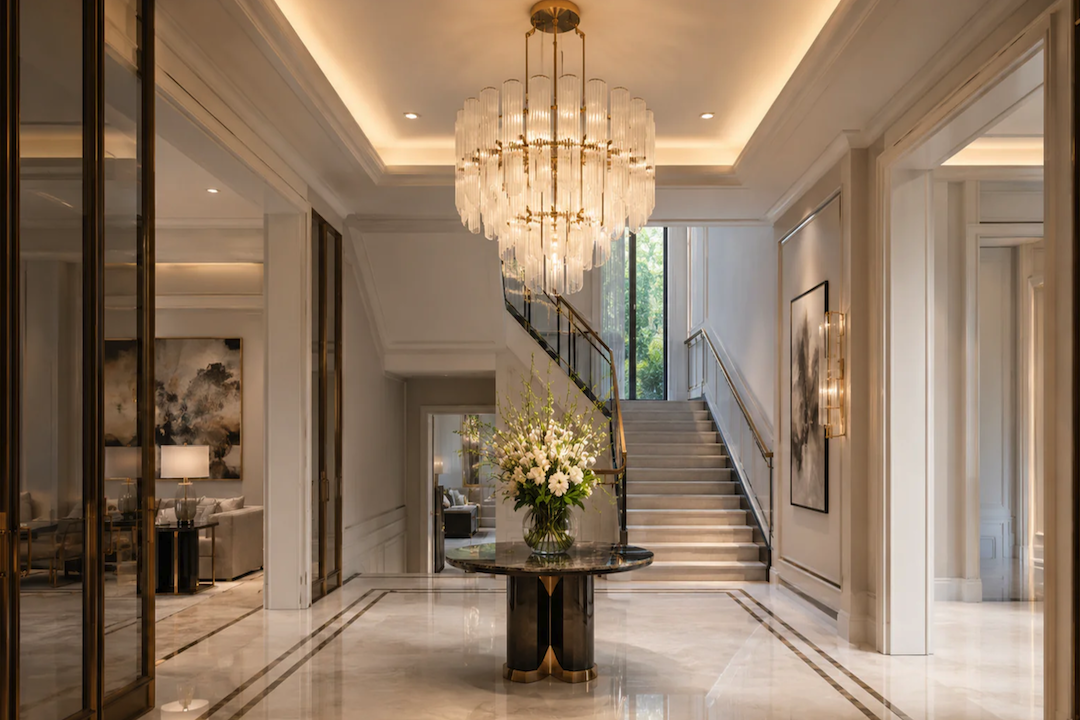
- Entryway/Foyer: In an entryway, a chandelier makes a strong first impression. Here, scale is particularly important. A taller, more sculptural fixture can create a dramatic statement in a double-height foyer, while a more understated piece suits a smaller entry, ensuring it does not overwhelm the space. The bottom of the chandelier should be high enough for people to walk underneath without obstruction, generally at least 7 feet from the floor.
- Bedroom: While less common, a minimalist chandelier in a bedroom can provide ambient light and a touch of sophistication. It should be appropriately sized for the room and positioned to avoid direct glare while lying in bed. Soft, diffused lighting is often preferred in a bedroom setting.
- Kitchen Island: Linear minimalist metal chandeliers are particularly effective over kitchen islands, providing task lighting and a design element that reinforces the linear aspect of the island. They help define the workspace and add a contemporary touch to the kitchen’s aesthetic.
The visual weight and transparency of the chandelier also influence placement. A very open, geometric design might be suitable in areas where an unobstructed view is desirable, whereas a slightly more substantial but still minimalist design can create a stronger anchoring effect in a larger void.
Lighting Technology and Functionality
Beyond its aesthetic appeal, a minimalist metal chandelier must offer effective and versatile illumination. Modern lighting technologies enhance both the functionality and energy efficiency of these fixtures.
Integrated LED vs. Replaceable Bulbs
The choice between integrated LED light sources and those requiring replaceable bulbs significantly impacts maintenance, light quality, and long-term cost.
- Integrated LED: Many contemporary minimalist chandeliers feature integrated LED modules. These offer several advantages, including:
- Longevity: LEDs have a significantly longer lifespan than traditional incandescent or fluorescent bulbs, often lasting tens of thousands of hours. This means less frequent replacement.
- Energy Efficiency: LEDs consume considerably less electricity for the same light output, leading to lower energy bills and a reduced environmental footprint.
- Compact Design: The small size of LED chips allows for more slender and intricate fixture designs that might not be possible with larger, conventional bulbs. This contributes to the minimalist aesthetic.
- Customizable Light: Integrated LEDs often allow for precise control over color temperature (warm white to cool white) and dimming capabilities, offering greater flexibility in setting the mood.
- Disadvantages include the fact that if an integrated LED module fails, the entire fixture or a significant component might need replacement, which can be more complex and costly than simply changing a bulb. Moreover, the initial cost of fixtures with integrated LEDs can be higher.
- Replaceable Bulbs: Chandeliers designed for replaceable bulbs offer:
- Flexibility: Users can choose from a wide range of bulb types (LED, incandescent, halogen) and wattages, allowing for customization of brightness and color temperature.
- Ease of Maintenance: Replacing a single bulb is straightforward and inexpensive.
- Aesthetic Variety: The visible bulb itself, especially in minimalist designs, can be an aesthetic element. Edison-style LED bulbs, for example, evoke a vintage feel while retaining energy efficiency.
- Disadvantages include the potentially shorter lifespan and higher energy consumption of non-LED options. The overall design might also be constrained by the size and shape of standard bulb sockets.
Dimming Capabilities and Smart Home Integration
The ability to control the intensity and character of light is crucial for creating adaptable living spaces.
- Dimming: Most modern minimalist metal chandeliers are designed to be dimmable. Dimmers allow occupants to adjust the brightness to suit different activities and moods – from bright task lighting for reading to soft ambient light for relaxation. This functionality enhances the versatility of the fixture and contributes to energy savings. Compatibility between the dimmer switch and the type of bulb/LED driver is critical for smooth operation and preventing flickers.
- Smart Home Integration: With the proliferation of smart home ecosystems, many contemporary chandeliers can be integrated into these systems. This allows for:
- App Control: Adjusting brightness, color temperature (if applicable), and scheduling on/off times via a smartphone or tablet.
- Voice Control: Operation through virtual assistants like Amazon Alexa or Google Assistant.
- Scene Setting: Programming specific lighting configurations for different activities (e.g., “dinner party” scene, “movie night” scene).
- Automation: Linking the chandelier to other smart devices or sensors, such as motion detectors or ambient light sensors, for automated lighting.
Smart integration elevates the functionality of a minimalist chandelier from a simple light source to a sophisticated tool for dynamic environment control. This level of control aligns with the modern homeowner’s desire for convenience and efficiency.
Maintenance and Longevity
Ensuring the longevity and sustained aesthetic appeal of a minimalist metal chandelier involves routine cleaning and care tailored to the specific metal and finish. These fixtures, often investment pieces, benefit from a considered approach to maintenance.
Cleaning and Care for Different Metal Finishes
The inherent properties of various metals and their applied finishes dictate the most appropriate cleaning methods. A gentle approach is always recommended to preserve the integrity of the surface.
- Powder-Coated Steel/Aluminum (Matte or Gloss):
- Method: These surfaces are generally durable. Use a soft, lint-free cloth, slightly dampened with water. For stubborn marks, a mild, non-abrasive soap solution can be used, followed by wiping with a clean, damp cloth and then drying thoroughly to prevent water spots.
- Avoid: Abrasive cleaners, harsh chemicals (like ammonia-based window cleaners, bleach), and scrubbing pads, as these can chip, scratch, or dull the powder coat finish.
- Frequency: Dust regularly with a dry microfibre cloth, and clean with a damp cloth every few months or as needed.
- Brushed Brass/Bronze:
- Method: Dust frequently with a dry, soft cloth. For cleaning, use a damp cloth with plain water or a very mild, pH-neutral soap solution. Dry immediately to prevent water spots. Specialized brass cleaners are available but should be used sparingly and tested on an inconspicuous area first, as some can alter the brushed finish or remove desired patinas.
- Avoid: Abrasive cleaners. If the brass is unlacquered and a natural patina is desired, avoid harsh polishing, which will remove it. If a polished look is preferred for unlacquered brass, use a brass polish, but be aware this will alter the surface.
- Frequency: Regular dusting and occasional cleaning with a damp cloth will suffice for most applications.
- Polished Chrome/Nickel:
- Method: These highly reflective surfaces are prone to fingerprints and water spots. Clean with a soft, damp cloth and water, or a very mild glass cleaner (non-abrasive). Buff dry immediately with a clean, dry microfibre cloth to achieve a streak-free shine.
- Avoid: Abrasive cleaners or harsh chemicals that can scratch or dull the finish.
- Frequency: Wipe down as needed to remove fingerprints and dust, and clean more thoroughly once a month for consistent gleam.
- Natural Copper:
- Method: If the intention is to allow copper to naturally patina (darken and develop green hues), simply dust with a dry, soft cloth. If a bright, polished copper look is desired, use a specialized copper cleaner or a natural solution of lemon juice and salt, applied with a soft cloth. Rinse thoroughly and dry immediately.
- Avoid: Abrasive materials. Be aware that polishing copper frequently can be labor-intensive and will remove any developing patina.
- Frequency: Dust regularly. Polish only when the desired patina is to be removed, which might be yearly or less often depending on environmental factors.
Regardless of the metal, always ensure the chandelier is turned off and cooled before cleaning. Avoid spraying cleaners directly onto the fixture to prevent liquid from entering electrical components; instead, spray cleaner onto the cloth. Gentleness is key to preserving the sleek, minimalist aesthetic over time.
Addressing Common Issues: Scratches, Dents, and Wiring
Despite careful installation and maintenance, issues can arise. Addressing these promptly helps maintain both the function and appearance of the chandelier.
- Scratches: Minor surface scratches on powder-coated or brushed finishes can sometimes be masked with touch-up paint pens or waxes specifically designed for metal. For polished metals, extremely fine scratches might be diminished by metal polishing compounds, but this is a delicate process best left to professionals if the scratch is deep or on a prominent surface. Deep scratches usually require professional refinishing.
- Dents: Small dents in softer metals like aluminum can sometimes be carefully worked out by a skilled individual using specialized tools, but this risks further damage. For significant dents, component replacement or professional repair is often the only option to restore the original aesthetic. Given the minimalist nature, a dent can significantly mar the clean lines.
- Wiring Issues: If a light flickers, doesn’t turn on, or appears to be overheating, it indicates a wiring problem. This is a safety issue and should be addressed immediately.
- Troubleshooting: First, check the bulb (if replaceable) and ensure connections at the dimmer or switch are secure.
- Professional Help: For any issues beyond a simple bulb change or loose wall switch connection, always consult a qualified electrician. Attempting to repair electrical wiring without proper knowledge and tools is dangerous and can lead to electrical fires or shocks. An electrician can diagnose issues related to loose connections within the fixture, faulty internal wiring, or problems with the power supply.
Preventive measures, such as careful handling during installation and avoiding objects that could impact the chandelier, are the best defense against physical damage. For electrical components, ensuring proper installation by a certified electrician reduces the risk of wiring issues and ensures compliance with safety standards. Regular, gentle cleaning and proactive vigilance will help ensure your stylish minimalist metal chandelier continues to illuminate and elevate your modern home for many years.