
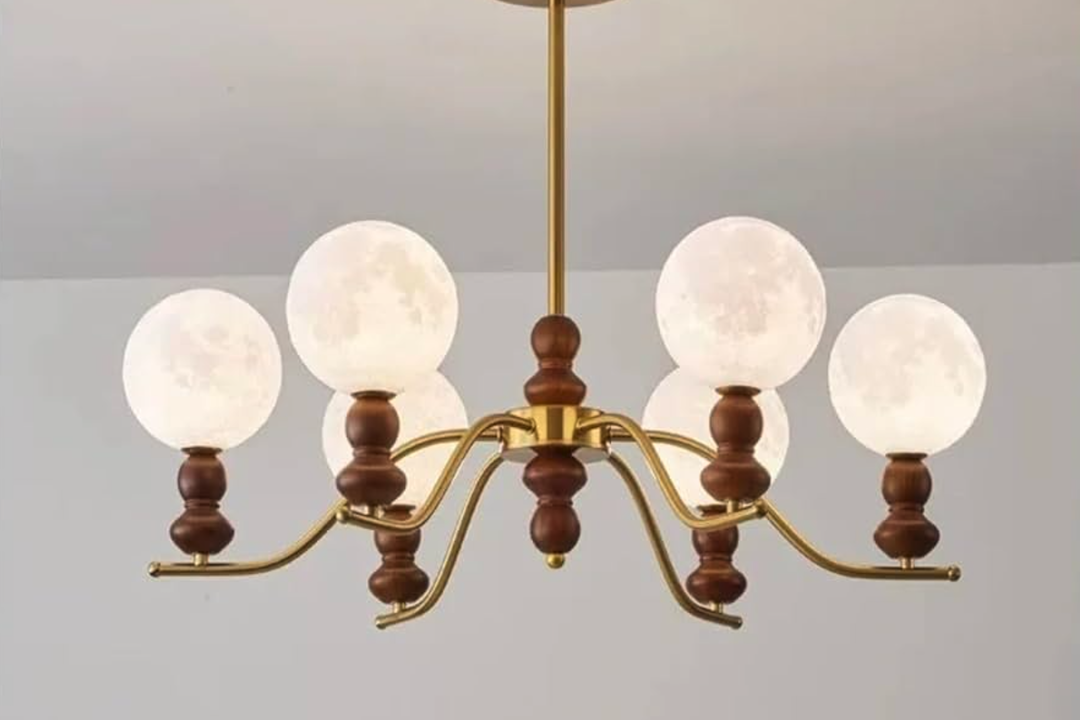
Milk glass lighting offers a distinct aesthetic for interior design, emphasizing a subdued and refined atmosphere. This material, characterized by its opaque white glass, diffuses light evenly, creating a gentle glow that can contribute to a sense of tranquility within a space. Its historical precedent and versatility have made it a recurring element in home decor, particularly for those seeking a “quiet luxury” that prioritizes substance and understated beauty over ostentation.
Milk glass, at its core, is a type of opaque or colored glass that owes its appearance to the inclusion of opacifying agents, typically bone ash or, in more modern formulations, synthetic compounds. These agents are suspended within the molten glass, breaking up light Lumesdesign transmission and scattering it, resulting in the characteristic milky or translucent quality. The texture can range from smooth and polished to textured and embossed, allowing for a variety of visual and tactile experiences. Its opacity means it does not transmit light directly, like clear glass, but rather diffuses it. This diffusion is a key characteristic that underpins its appeal in lighting design. The light emitted from a milk glass fixture is not a sharp beam, but a soft, ambient radiance, akin to moonlight on a still night, creating an atmosphere that is both inviting and calming.
Historical Context and Evolution of Milk Glass
The origins of milk glass can be traced back to the 18th century, though its widespread popularity in decorative arts, including lighting, surged in the 19th century, particularly during the Victorian era. Manufacturers like Sandwich Glass Company in the United States and established European glassworks produced a vast array of milk glass items, from tableware to decorative objects. In lighting, milk glass found its way into various forms, including pendant lights, sconces, and chandeliers. This period saw milk glass used extensively due to its affordability and its ability to mimic more expensive materials like porcelain or fine china, yet it developed its own distinct identity. Over time, manufacturing techniques evolved, leading to variations in color and opacity. While white remains the most common, tinted milk glass also emerged, offering a broader palette for designers. In the 20th century, milk glass continued to be used in lighting, adapting to different design movements, from Art Deco to Mid-Century Modern, demonstrating its enduring appeal and adaptability. It served as a canvas, allowing designs to be etched, painted, or molded onto its surface, further expanding its decorative possibilities.
Composition and Manufacturing Processes
The opalescence of milk glass is achieved by adding specific ingredients to the molten glass batch. Historically, bone ash (calcium phosphate) was a common opacifier. In contemporary production, tin oxide or titanium dioxide are often employed. These compounds, when dissolved in the hot glass, precipitate out upon cooling, forming microscopic particles that scatter light. The controlled cooling process is crucial for achieving the desired level of opacity and consistency. Different heating and cooling rates can influence the size and distribution of these particles, thereby affecting the glass’s translucency and the quality of light it diffuses. The manufacturing of milk glass shades and housings often involves techniques such as pressing, blowing, or casting, depending on the complexity of the design and the desired finish. The predictability of these processes allows for consistent production, a factor that contributes to its continued use in commercial and residential lighting. The ability to achieve highly detailed embossed patterns or smooth, finished surfaces makes it a versatile medium for creating various aesthetic effects.
The Aesthetic of Quiet Luxury through Milk Glass Lighting
The concept of “quiet luxury” in home decor emphasizes understated elegance, quality craftsmanship, and a sophisticated, uncluttered aesthetic. Milk glass lighting aligns well with this philosophy by offering a refined presence without demanding attention. Its diffused light creates a soft ambiance, contributing to a sense of calm and comfort, essential elements of a luxurious yet serene living space. This approach to decor prioritizes enduring style over fleeting trends, and milk glass, with its long history and classic appeal, fits this description. It’s not about making a loud statement, but about creating an environment that feels thoughtfully curated and deeply comfortable.
Diffused Light and Ambiance Creation
The primary characteristic of milk glass lighting that lends itself to quiet luxury is its ability to diffuse light. Unlike clear glass, which transmits light directly, milk glass scatters it. This diffusion softens harsh shadows and eliminates glare, producing a uniform, ambient illumination. This gentle radiance can transform a room, making it feel more inviting and serene. Think of the way sunlight filters through a gentle mist; it softens edges and creates a pervasive, gentle glow. Milk glass lighting achieves a similar effect indoors, providing illumination that is functional without being obtrusive, creating pockets of comfortable light that encourage relaxation and contemplation. This soft illumination is crucial for establishing a tranquil atmosphere, free from the sharp contrasts that can feel jarring or overly dramatic.
Timeless Design and Versatility
Milk glass enjoys a timeless appeal that transcends various interior design styles, from traditional to contemporary. Its simple, often classic shapes, combined with its opaque finish, create fixtures that are both understated and elegant. This versatility allows milk glass lighting to integrate seamlessly into a variety of decor schemes, serving as a subtle accent or a defining element. Whether in a minimalist Scandinavian-inspired room or a more traditional setting, milk glass lighting can provide a harmonious and sophisticated touch. Its ability to adapt allows designers to integrate it without disrupting the established aesthetic, acting as a unifying element within a space. The inherent simplicity of many milk glass designs means they do not compete with other decorative elements for attention, instead, they complement them.
The “Less is More” Principle in Action
Quiet luxury champions the “less is more” philosophy, focusing on quality, intentionality, and restraint. Milk glass lighting embodies this principle by offering a sophisticated lighting solution that doesn’t rely on elaborate ornamentation or bright, attention-grabbing features. Its beauty lies in its material quality and the gentle quality of light it produces. A well-chosen milk glass fixture can elevate a space through its subtle presence, demonstrating that true luxury is often found in thoughtful simplicity and refined execution rather than overt displays of opulence. This approach to design suggests that the absence of excessive adornment can be a powerful design choice in itself, allowing the inherent beauty of the material and the quality of the lighting to speak for themselves.
Application of Milk Glass Lighting in Different Home Spaces
Milk glass lighting can be incorporated into virtually any room within a home, offering a consistent thread of subtle elegance. Its adaptability makes it suitable for various functional and atmospheric requirements, from task lighting in a kitchen to ambient lighting in a bedroom. The choice of fixture and its placement are key to maximizing its impact in each specific context.
Kitchen and Dining Areas
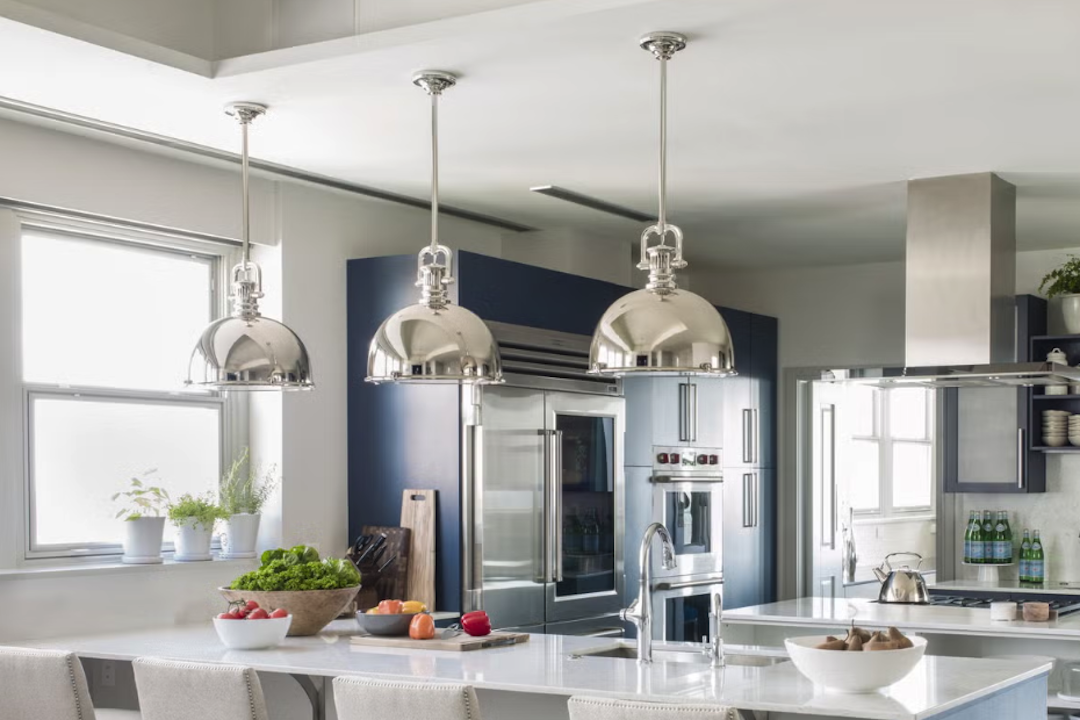
In kitchens and dining areas, milk glass pendant lights or flush-mount fixtures can provide soft, functional illumination. Hung over an island or a dining table, they offer a gentle glow that enhances the dining experience without being overly bright. The opaque nature of the glass ensures that light is diffused downwards and outwards, creating an inviting atmosphere conducive to shared meals. Consider ceiling fixtures that offer a downward throw with some spill, illuminating the surface below while casting a soft glow around the fixture. This balances the need for practical light with the desire for a welcoming ambiance. The ease of cleaning milk glass is also a practical consideration in these areas, making it a sensible choice for everyday use.
Living Rooms and Lounges
For living rooms and lounges, milk glass sconces or table lamps can contribute to a relaxed and sophisticated ambiance. Wall-mounted fixtures can provide ambient light, highlighting architectural features or artwork, while lamps can offer focused task lighting for reading or conversation. The diffused light from milk glass is particularly effective in spaces where comfort and relaxation are paramount, avoiding the harshness that can detract from a tranquil environment. Imagine a floor lamp with a milk glass shade casting a gentle circle of light on an armchair, creating a cozy reading nook. The overall effect should be one of subtle warmth and understated comfort.
Bedrooms and Private Sanctuaries
In bedrooms, milk glass lighting can foster a serene and restful atmosphere. Bedside lamps with milk glass shades provide a soft, warm light perfect for nighttime reading or creating a calming environment before sleep. Ceiling fixtures, such as flush mounts or semi-flush mounts with milk glass diffusers, can offer general illumination that is gentle on the eyes. The goal in these private spaces is to create a haven of tranquility, and the soft, diffused light of milk glass is instrumental in achieving this. The absence of glare is particularly important in bedrooms, where direct, harsh light can disrupt relaxation and sleep patterns.
Styles and Design Considerations
The enduring appeal of milk glass lighting lies not only in its material properties but also in its adaptability to various design styles. From classic to contemporary, milk glass fixtures can be found that complement a wide range of interior aesthetics. Understanding these styles and making informed design choices is crucial for achieving the desired look.
Vintage and Reproduction Styles
Many milk glass lighting fixtures evoke a vintage aesthetic, drawing inspiration from historical designs. These often feature intricate patterns, embossed details, and classic shapes such as globes, domes, and bell jars. Reproduction pieces offer access to this timeless charm for contemporary homes. When selecting vintage or reproduction styles, consider how the intricate details of the fixture will interact with the surrounding decor. A heavily embossed fixture might suit a more traditional setting, while a simpler, sleeker design could work in a transitional or even modern space. The materials used for the metal accents, such as brass, bronze, or brushed nickel, will also influence the overall feel of the fixture and its integration into the room.
Mid-Century Modern and Art Deco Influences
Milk glass was also utilized in Mid-Century Modern and Art Deco designs, often in more streamlined and geometric forms. Mid-Century Modern pieces might feature simple glass globes on adjustable metal arms, while Art Deco designs could incorporate stepped silhouettes and more geometric patterns. These styles often embraced the material’s ability to soften light, creating a sophisticated and ambient glow. In a Mid-Century Modern context, milk glass often served as a counterpoint to the clean lines and natural materials, adding a touch of warmth and diffused light. For Art Deco, its opaque quality could be used to emphasize geometric forms and create a sense of understated glamour.
Contemporary and Minimalist Adaptations
In contemporary and minimalist interiors, milk glass lighting is often selected for its clean lines and its ability to provide soft, functional illumination without visual clutter. Simple globe pendants, uncluttered flush mounts, or sleek wall sconces in milk glass can provide a sophisticated touch that complements a minimalist aesthetic. The focus here is on the purity of the form and the quality of the light. These designs often strip away any unnecessary ornamentation, allowing the material and its luminous properties to take center stage. Think of a series of identical milk glass globes suspended at varying heights, creating a simple yet impactful visual statement.
Sourcing and Maintaining Milk Glass Lighting
Acquiring and caring for milk glass lighting requires attention to detail to ensure longevity and preserve its aesthetic appeal. Understanding where to source quality pieces and how to maintain them will contribute to their lasting beauty in your home.
Where to Find Quality Milk Glass Fixtures
Quality milk glass lighting can be found through a variety of channels. Antique stores and vintage marketplaces offer original pieces with unique character and historical significance. Online auction sites and vintage lighting specialists are also valuable resources. For new fixtures, consider reputable lighting manufacturers that produce contemporary designs utilizing milk glass, as well as independent artisans who may offer handcrafted options. When sourcing, inspect fixtures carefully for damage, such as chips or cracks in the glass, and check the condition of the electrical components, especially for vintage items. The provenance of the piece can also add to its value and appeal.
Care and Maintenance for Longevity
Caring for milk glass lighting is generally straightforward. Regular dusting with a soft, dry cloth will prevent the accumulation of grime. For more thorough cleaning, use a mild, non-abrasive detergent mixed with water. Avoid harsh chemicals or abrasive scrubbers, as these can damage the glass surface or any decorative finishes. When cleaning glass shades, it is often recommended to remove them from the fixture for easier access and to prevent damage to the fixture itself. Ensure the glass is completely dry before reattaching it. For electrical components, follow the manufacturer’s instructions for safe maintenance. The stability of your chosen mounting hardware is also crucial for long-term safety and aesthetic integrity.
Integrating with Other Textures and Materials
When incorporating milk glass lighting into your decor, consider how it interacts with other textures and materials in the room. Its smooth, opaque surface can provide a pleasing contrast to rougher textures like natural wood, woven fabrics, or exposed brick. Conversely, pairing it with polished metals or reflective surfaces can enhance its inherent elegance. The goal is to create a balanced and harmonious interplay of materials, where the milk glass lighting contributes to the overall sensory experience of the space. For instance, a warm wooden dining table can be beautifully complemented by the soft glow of milk glass pendants above.
In conclusion, milk glass lighting offers a subtle yet impactful approach to home decor, aligning perfectly with the principles of quiet luxury. Its ability to diffuse light, its timeless design, and its versatile applications make it a valuable choice for creating serene and elegantly appointed living spaces. By understanding its history, aesthetic qualities, and practical considerations, you can effectively integrate milk glass lighting to enhance the ambiance and sophistication of your home.