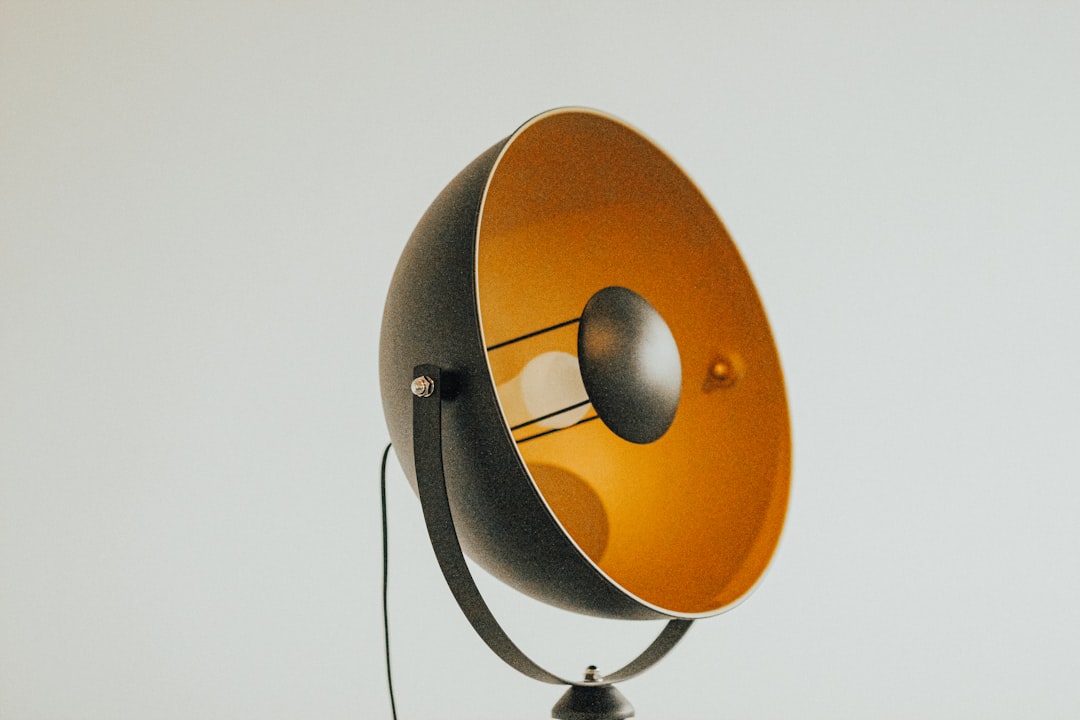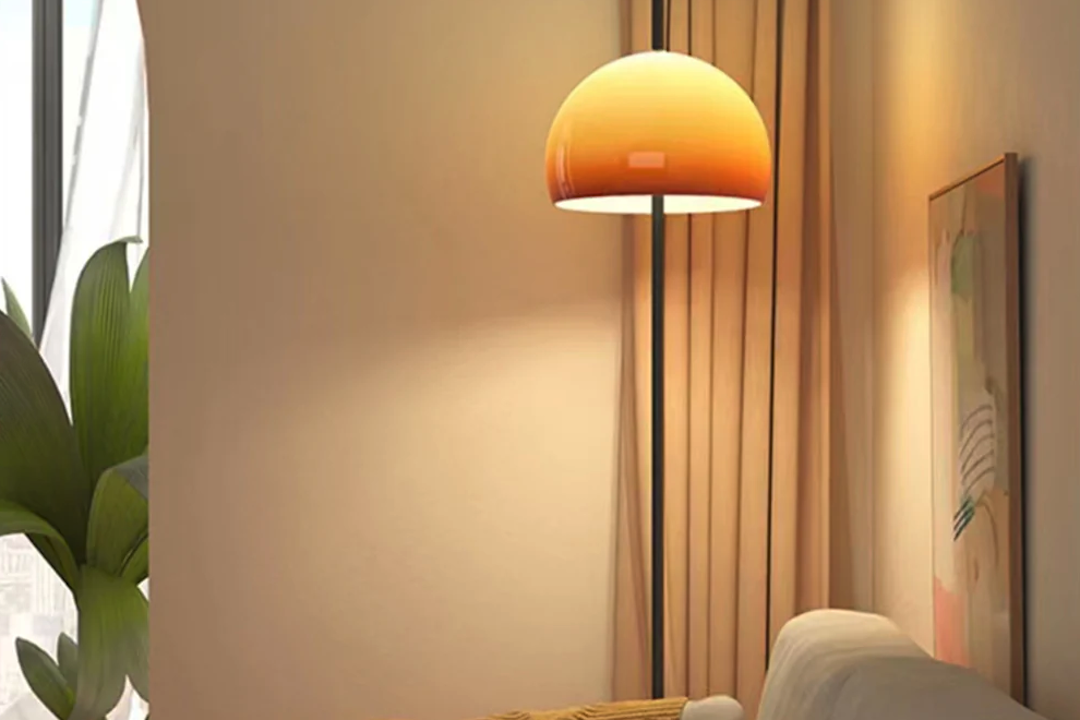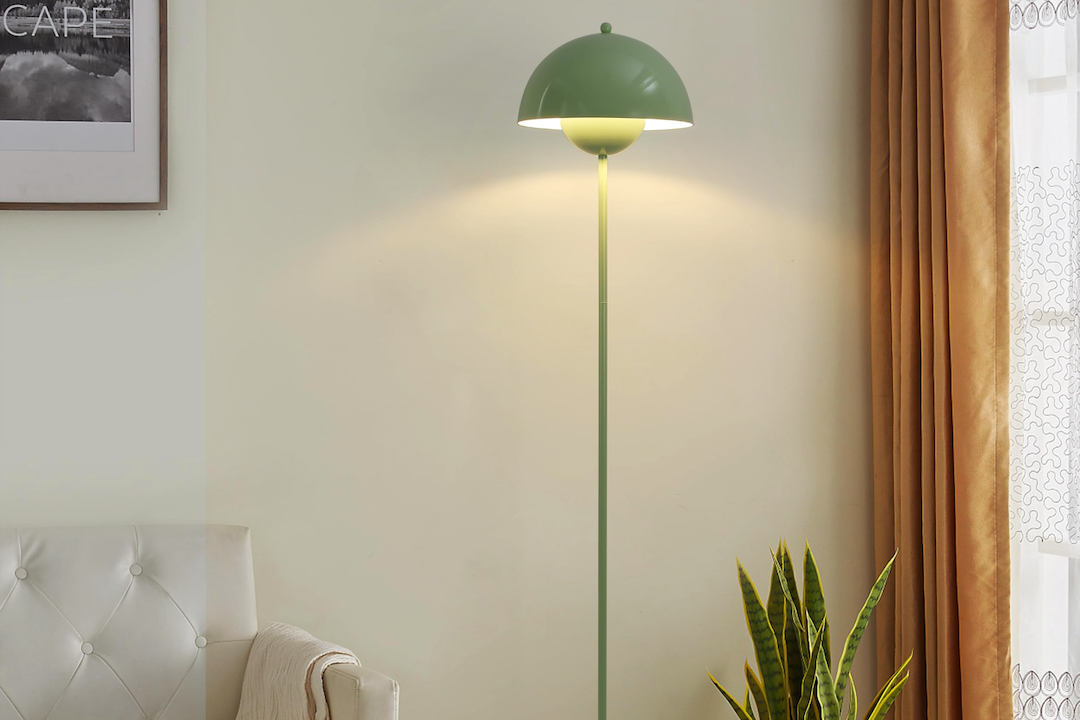

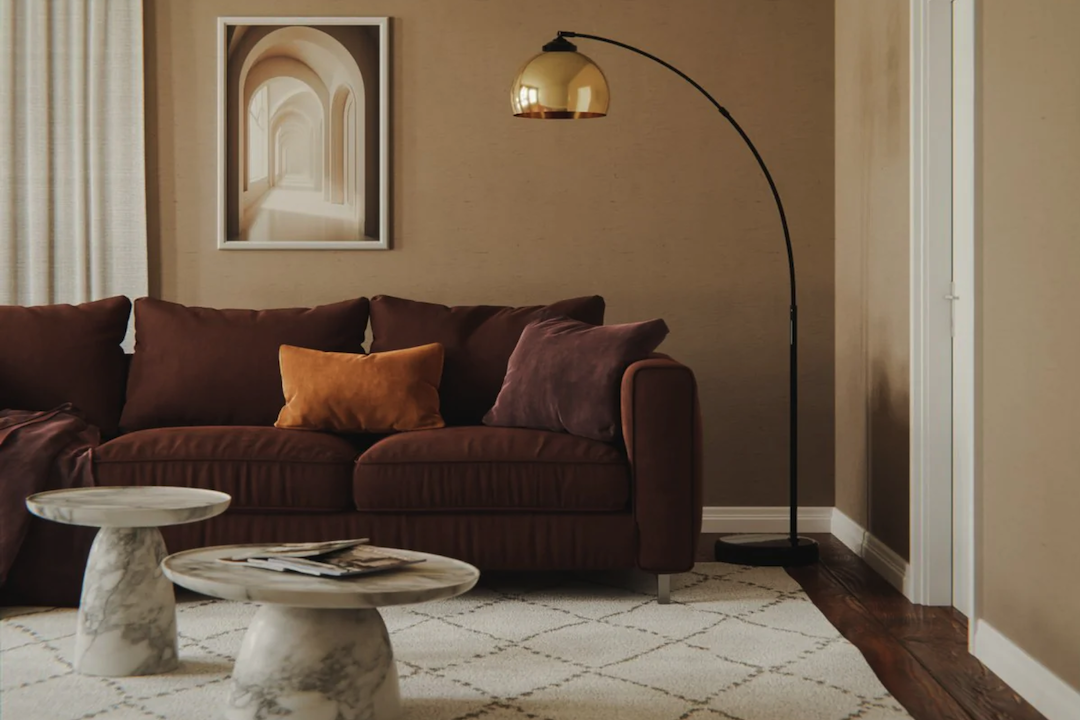
Lighting is a fundamental element in interior design that transcends mere functionality; it shapes the atmosphere, enhances aesthetics, and influences the overall mood of a space. The right lighting can transform a room from dull to dynamic, highlighting architectural features and artwork while providing the necessary illumination for daily activities. Natural light is often celebrated for its ability to create warmth and openness, but artificial lighting plays an equally crucial role, especially in spaces where natural light is limited.
The interplay between different types of lighting—ambient, task, and accent—can create a layered effect that adds depth and dimension to interiors. Moreover, lighting can significantly impact how colors are perceived within a space. For instance, warm light can make colors appear richer and more inviting, while cooler light can create a more modern and sleek atmosphere.
This is particularly important in areas such as living rooms and bedrooms, where the goal is often to create a cozy and welcoming environment. Additionally, lighting can affect the functionality of a space; well-placed task lighting can enhance productivity in home offices or kitchens, while soft ambient lighting can promote relaxation in bedrooms and lounges. Thus, understanding the importance of lighting is essential for anyone looking to create a harmonious and effective interior design.
Choosing the Right Floor Lamp for Your Space
Selecting the appropriate floor lamp Zomier involves considering various factors, including the size of the room, the existing decor, and the intended use of the lamp. Floor lamps come in an array of styles, heights, and designs, making it essential to choose one that complements the overall aesthetic of the space. For instance, a sleek, modern floor lamp with clean lines may be ideal for a contemporary living room, while a vintage-inspired lamp with ornate details could enhance a more traditional setting.
The material of the lamp—whether it be metal, wood, or fabric—also plays a significant role in how well it integrates with other furnishings. In addition to style, functionality should guide your choice. Consider how you plan to use the floor lamp: will it serve as a reading light beside a chair, or will it provide general illumination for a larger area?
If the lamp is intended for task lighting, look for options with adjustable arms or shades that can direct light where it’s needed most. On the other hand, if you’re aiming for ambient lighting, a lamp with a diffused shade that softens the light will create a more inviting atmosphere. Ultimately, the right floor lamp should not only enhance the visual appeal of your space but also meet your practical needs.
Incorporating Style and Functionality with Floor Lamps
Floor lamps are unique in their ability to blend style with functionality seamlessly. They serve as both decorative elements and practical sources of light, making them versatile additions to any room. When incorporating floor lamps into your design scheme, consider how they can enhance both the aesthetic and utility of the space.
For example, a sculptural floor lamp can act as a statement piece in an entryway or living room while providing essential lighting for evening gatherings. The design should resonate with the overall theme of the room—whether it’s minimalist, bohemian, or industrial—while also serving its purpose effectively. Moreover, functionality can be enhanced through innovative designs that offer multiple features.
Some modern floor lamps come equipped with built-in shelves or tables, providing additional surfaces for books or decorative items while illuminating the area. Others may include dimming capabilities or smart technology that allows users to control brightness and color temperature via smartphone apps or voice commands. This integration of style and functionality not only maximizes space but also caters to contemporary lifestyles where convenience is paramount.
By thoughtfully selecting floor lamps that embody both aesthetic appeal and practical use, you can elevate your interior design while ensuring that your lighting needs are met.
Creative Ways to Use Floor Lamps in Different Rooms
The versatility of floor lamps allows them to be utilized creatively across various rooms in a home. In living rooms, they can serve as focal points or accent pieces that draw attention to specific areas. For instance, placing a tall floor lamp next to a cozy reading nook can create an inviting atmosphere that encourages relaxation and leisure reading.
Alternatively, using multiple floor lamps at varying heights can add visual interest and depth to the room while providing layered lighting options for different activities. In bedrooms, floor lamps can enhance both functionality and ambiance. A stylish lamp placed on either side of the bed can serve as bedside lighting for reading or late-night tasks while contributing to the overall decor.
Additionally, using a dimmable floor lamp allows for adjustable lighting levels that cater to different moods—bright light for getting ready in the morning and softer light for winding down at night. In home offices, strategically placed floor lamps can illuminate workspaces without causing glare on screens, promoting productivity while maintaining comfort. By exploring these creative applications of floor lamps in various rooms, homeowners can maximize their potential as both functional tools and decorative elements.
Using Floor Lamps to Create Ambiance and Mood
The ability of floor lamps to influence ambiance and mood cannot be overstated. Lighting has a profound psychological impact on how we feel within a space; therefore, selecting the right type of lamp and bulb can significantly alter the atmosphere of a room. For instance, warm white bulbs emit a soft glow that fosters relaxation and comfort—ideal for spaces like living rooms and bedrooms where unwinding is essential.
In contrast, cooler white bulbs can create an energizing environment suitable for workspaces or kitchens. To further enhance mood through lighting design, consider layering different types of light sources within a room. Combining floor lamps with table lamps and overhead fixtures allows for greater control over brightness levels and creates a more dynamic environment.
Additionally, using colored bulbs or smart lighting systems that allow for color changes can dramatically shift the mood depending on the occasion—soft pastels for intimate gatherings or vibrant hues for lively celebrations. By thoughtfully selecting floor lamps and their accompanying bulbs, homeowners can craft spaces that evoke specific feelings and cater to various activities.
DIY Floor Lamp Ideas for a Personalized Touch
For those looking to add a unique flair to their interiors, DIY floor lamp projects offer an exciting opportunity to infuse personal style into home decor. Creating your own floor lamp allows you to customize every aspect—from the base to the shade—ensuring it perfectly aligns with your vision. One popular DIY project involves repurposing vintage items such as an old ladder or wooden crate into a functional lamp base.
By attaching a light fixture at the top and adding a shade that complements your decor style, you can create an eye-catching piece that tells a story. Another creative approach is to design your own lampshade using fabric or paper that reflects your personality or interests. For example, using patterned fabric that matches your upholstery or wallpaper can create cohesion within the room.
Alternatively, crafting a shade from natural materials like bamboo or twine can introduce an organic element to your decor. Incorporating LED strip lights into your DIY project can also add an innovative twist; these lights can be placed inside transparent shades or along the base for an ethereal glow. Engaging in DIY floor lamp projects not only allows for personalization but also provides an opportunity to showcase creativity while enhancing your living space.
Tips for Proper Placement and Sizing of Floor Lamps
Proper placement and sizing of floor lamps are crucial considerations that can significantly affect both functionality and aesthetics within a room. When determining where to place a floor lamp, consider its purpose: if it’s intended for reading or task lighting, position it close to seating areas where it will be most effective. A common guideline is to place the bottom of the lampshade approximately 58 to 64 inches from the floor; this height ensures optimal light distribution without causing glare in seated positions.
Sizing is equally important; an oversized lamp in a small room can overwhelm the space, while a petite lamp may get lost in larger areas. As a general rule of thumb, choose a lamp that is proportional to both the furniture around it and the overall scale of the room. For instance, if you have low-profile furniture in a compact living area, opt for a slender floor lamp that won’t dominate visually but still provides adequate light.
Conversely, in spacious rooms with high ceilings, taller lamps with substantial bases can create balance and draw the eye upward. By adhering to these guidelines for placement and sizing, you can ensure that your floor lamps enhance both functionality and visual harmony within your home.
Maintenance and Care for Your Floor Lamp
Maintaining your floor lamp is essential not only for its longevity but also for ensuring optimal performance and safety. Regular cleaning is necessary to prevent dust accumulation on both the base and shade; this not only keeps your lamp looking its best but also helps maintain light quality by allowing maximum illumination through clean surfaces. For fabric shades, gently vacuuming with an upholstery attachment or using a lint roller can effectively remove dust without damaging the material.
Harder surfaces like metal or glass can be wiped down with a damp cloth followed by drying with a soft towel. Additionally, checking electrical components periodically is crucial for safety reasons. Ensure that cords are not frayed or damaged and that connections are secure; this helps prevent electrical hazards such as short circuits or fires.
If your lamp uses bulbs that require replacement, opt for energy-efficient options like LED bulbs which not only last longer but also consume less energy compared to traditional incandescent bulbs. By implementing these maintenance practices, you can keep your floor lamp functioning optimally while preserving its aesthetic appeal over time.