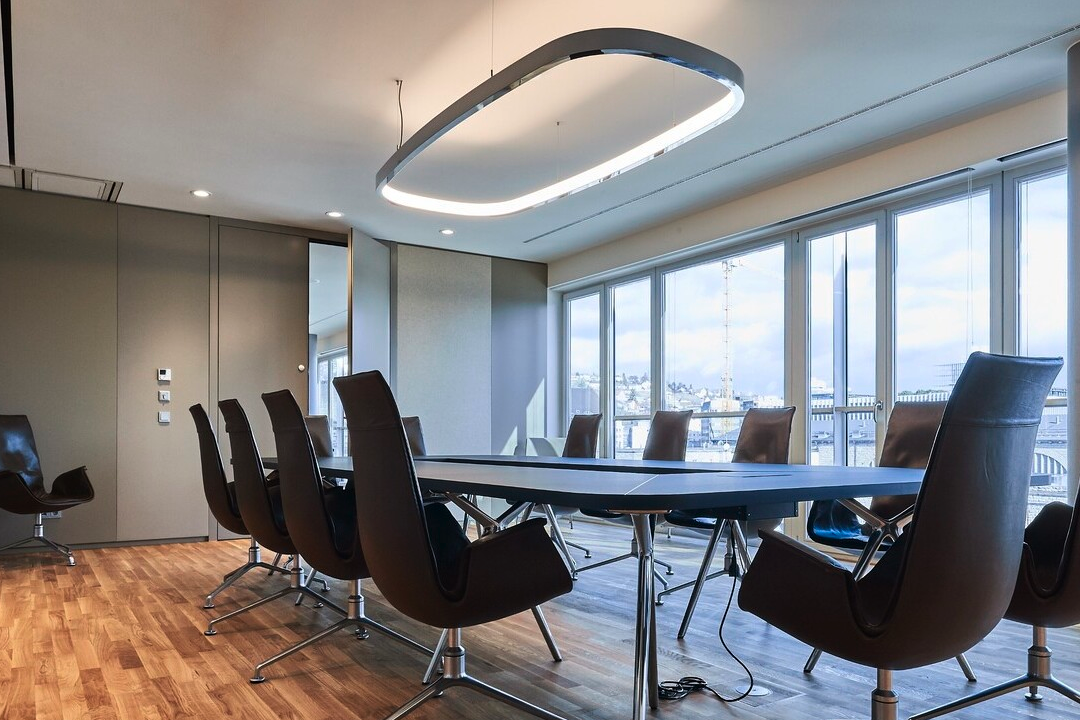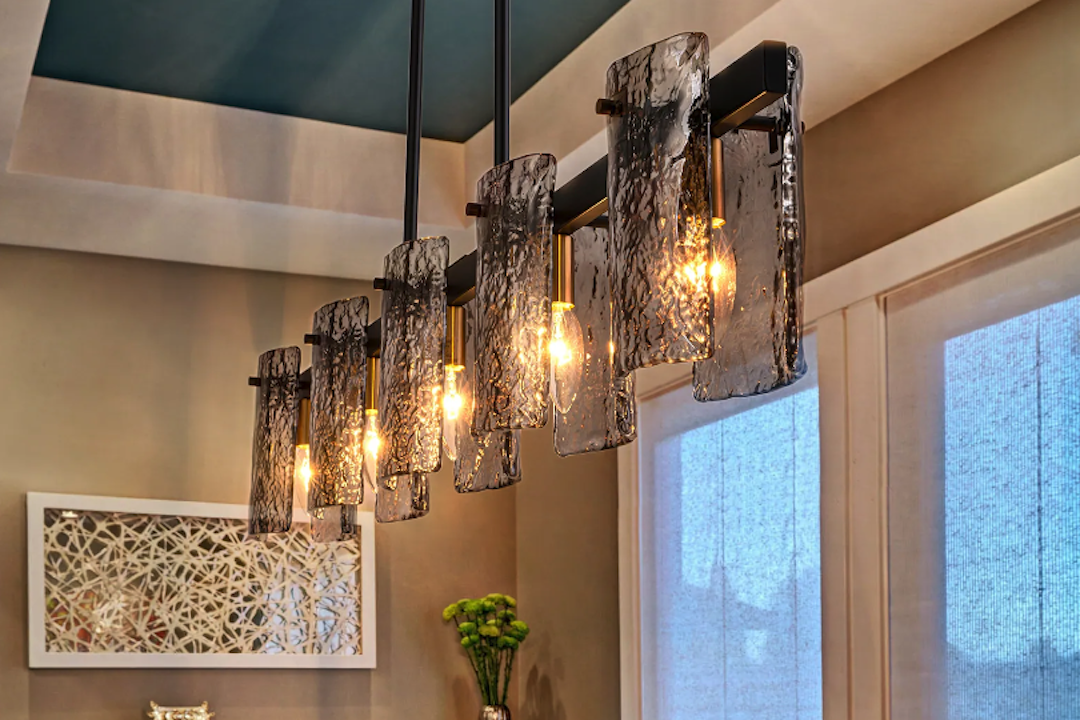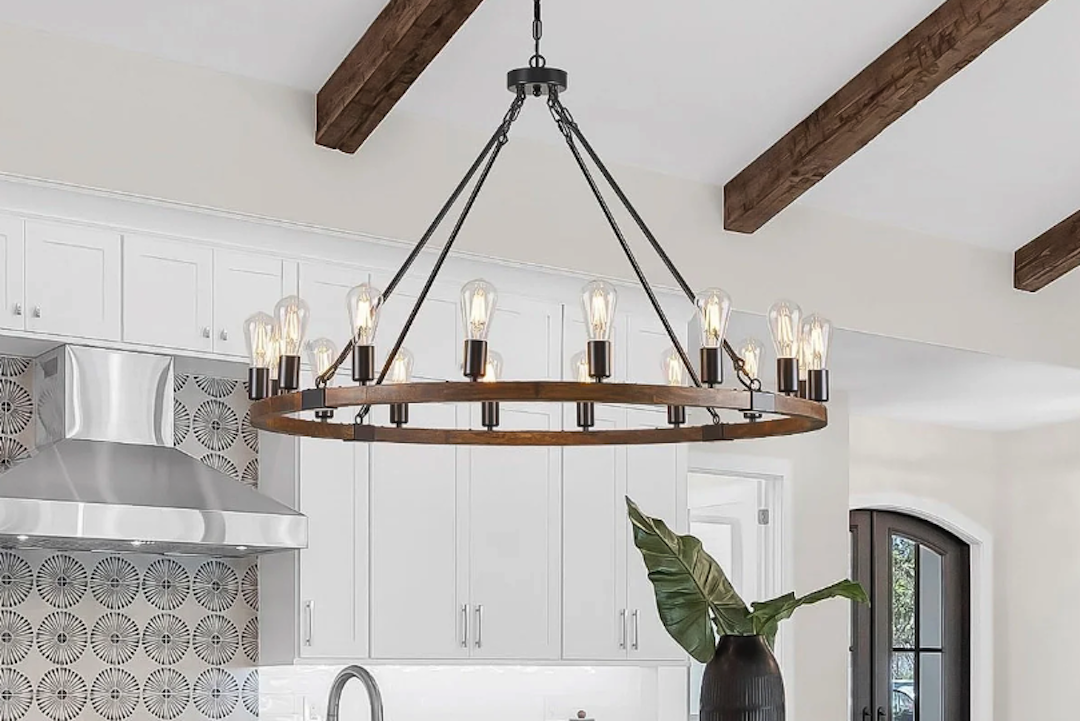

So, what exactly is a Rustic Geometric Patchwork Ceiling Light? Simply put, it’s a lighting fixture that combines the natural warmth of wood, often in various shades and textures, with a distinct geometric design, all arranged in a “patchwork” style. Think of it as a modernized, yet still very cozy, take on traditional wooden lighting. Instead of a single, solid piece, you get an interesting arrangement of smaller wooden elements, creating a unique visual that can really elevate a room without feeling overly ornate or old-fashioned. These lights are all about bringing a touch of nature and thoughtful design together.
Wood has been a cornerstone of human design for millennia – and for good reason. It’s not just durable; it brings an inherent sense of authenticity and warmth that other materials often struggle to replicate.
A Connection to Nature
There’s something deeply comforting about wood. It reminds us of forests, of simpler times, and inherently evokes a sense of calm. In an increasingly digital world, incorporating natural elements like wood into our homes helps to ground us, creating a more serene and less sterile environment. A rustic geometric patchwork light does exactly this – it injects a dose of natural texture and organic appeal right into your ceiling.
Versatility in Aesthetics
Wood isn’t a monolithic material. From light, airy pine to deep, rich walnut, and everything in between, the variety is vast. This natural diversity is a key factor in its enduring popularity.
- Grain Patterns: Each piece of wood tells a story through its grain. Swirls, knots, and streaks aren’t imperfections; they’re character marks that make every wooden fixture unique. This ensures that your rustic geometric patchwork light, even if it’s a factory-produced item, will have subtle variations that give it a handcrafted feel.
- Color Variations: The natural colors of wood range from pale creams and yellows to deep reds and dark browns. Stains and finishes further expand this palette, allowing designers to achieve almost any aesthetic. A patchwork design truly capitalizes on this, often featuring different wood species or shades in a single fixture, adding visual depth.
- Textural Appeal: Wood isn’t just about color; it’s about touch. Even from a distance, the visible texture of wood, whether it’s smoothly sanded or slightly rough-hewn, adds another layer of sensory richness to a space.
Durability and Longevity
When properly cared for, wooden fixtures are built to last. Unlike some trend-driven materials that quickly show wear, wood ages gracefully, often gaining more character over time. This makes a wooden ceiling light a sound investment, both aesthetically and practically.
Decoding the Geometric Patchwork
The “geometric patchwork” aspect is where this light fixture truly sets itself apart from a simple wooden lampshade. It’s a deliberate design choice that adds structure, modernity, and visual intrigue.
The Power of Geometry
Geometric shapes are fundamental to design. They provide order, balance, and a contemporary edge. In the context of a rustic light, this interplay creates a fascinating contrast.
- Structure and Order: Squares, rectangles, triangles, and even more complex polygons create a sense of order and intentionality. This structure can help anchor a room, especially one that might otherwise feel a bit too organic or free-form.
- Modern Edge: While wood is traditional, the geometric arrangement leans modern. This fusion makes the light adaptable to various interior styles, from industrial to Scandinavian. It prevents the fixture from feeling too old-fashioned or overly folksy.
The “Patchwork” Concept
Patchwork isn’t just for quilts. In design, it refers to the assembly of disparate pieces to form a cohesive whole. For these ceiling lights, it means combining different wooden elements.
- Visual Interest: Instead of a monotonous surface, you get a dynamic composition. Each “patch” contributes to the overall design, creating subtle shifts in tone and texture. This makes the light more engaging to look at, even when it’s not illuminated.
- Play of Light and Shadow: The individual wooden pieces, often set at slightly different depths or angles, create interesting shadows and highlights when the light is on. This adds an extra dimension of visual complexity to the fixture and to the room itself.
- Crafted Aesthetic: The patchwork arrangement often gives the impression of a meticulously crafted item, evoking a sense of human touch and artistry that mass-produced items often lack.
Where Does It Fit In? Styling Your Space
One of the strengths of a rustic geometric patchwork ceiling light is its surprising adaptability. It doesn’t pigeonhole your entire decor style.
Versatile Decor Applications
These lights can seamlessly integrate into a variety of home aesthetics, acting as both a functional illuminator and a significant decorative element.
- Modern Farmhouse: This is perhaps the most obvious pairing. The rustic wood vibes perfectly with the farmhouse aesthetic, while the geometric structure keeps it from feeling overly quaint or saccharine. It adds a touch of sophistication to a cozy, lived-in feel.
- Industrial Chic: Believe it or not, the rough-hewn aspect of rustic wood can work beautifully with industrial elements like exposed brick, metal accents, and concrete. The wood softens the often-hard edges of industrial design, making the space feel more inviting without losing its urban grit.
- Scandinavian Minimalism: Here, the natural wood tone and clean geometric lines align perfectly with the Scandinavian emphasis on functionality, simplicity, and natural materials. It adds warmth and texture without introducing clutter or excessive ornamentation.
- Bohemian Accents: For a Boho look, these lights can contribute an earthy, handcrafted feel. Paired with textiles, plants, and other natural elements, they enhance the relaxed, eclectic vibe without being too busy.
- Eclectic Spaces: If your style is a mix of different influences, this light can act as a unifying element. Its unique blend of rustic and modern helps bridge various design languages, pulling the room together.
Complementary Elements
To truly make your rustic geometric patchwork light shine, consider how it interacts with other furnishings and materials in the room.
- Textiles: Incorporate natural fabrics like linen, wool, and cotton. Think chunky knit throws, woven rugs, or sheer linen curtains. These textures will echo the organic feel of the wood.
- Metallic Finishes: Black metal, brushed brass, or oil-rubbed bronze can provide a lovely contrast to the wood. These metals can be found in furniture legs, picture frames, or other light fixtures within the room.
- Greenery: Plants, whether live or high-quality artificial, are natural companions to wood. They reinforce the connection to nature and add vital color and life to the space.
- Other Wooden Accents: Don’t be afraid to have other wooden elements in the room, but vary the wood types or finishes to create interest rather than monotony. A raw edge wooden coffee table, for instance, could beautifully complement the ceiling light.
- Neutral Palettes: While not exclusive, a neutral color scheme (grays, whites, creams, muted greens) often allows the texture and form of the wooden light to stand out more effectively, creating a calming and cohesive environment.
Practical Considerations Before Buying
Before you get carried away with the aesthetics, there are a few practical points to iron out. A beautiful light that doesn’t fit or function properly isn’t a wise purchase.
Size and Scale
This is crucial. A light that’s too small will look insignificant; one that’s too large will overwhelm the space.
- Room Dimensions: As a general rule of thumb for dining rooms or living rooms, add the length and width of the room in feet. The sum should roughly equal the diameter (in inches) of your ideal light fixture. For example, a 10’x12’ room (22 feet) might need a 22-inch diameter light. This is a starting point, not a hard rule.
- Ceiling Height: High ceilings can accommodate larger, more dramatic fixtures. Lower ceilings require flush-mount or semi-flush mount options to ensure adequate head clearance and prevent the room from feeling cramped. A geometric patchwork design can be quite volumetric, so measure carefully.
- Furniture Layout: Consider what’s beneath the light. If it’s over a dining table, you can go slightly larger. If it’s in a circulation path, prioritize clearance.
Light Output and Direction
A light fixture isn’t just about looks; it’s about illumination.
- Lumens Required: Think about the primary function of the room. A kitchen or study will need brighter light (higher lumens) than a bedroom or living room where ambiance is key.
- Bulb Type: Many rustic fixtures are designed for Edison-style LED bulbs, which provide a warm, inviting glow but might not be suitable for task lighting. Check the recommended wattage and bulb type to ensure it meets your needs. Dimmable bulbs are often a good idea for flexibility.
- Light Dispersion: Does the patchwork design cast interesting shadows? Does it direct light downwards, or is it more of an ambient glow? Consider how the light will spread across your room. Some geometric designs can create very striking patterns on the ceiling or walls when illuminated.
Installation and Maintenance
Don’t overlook the practicalities of getting it up and keeping it looking good.
- Professional Installation: Due to their size, weight, and sometimes intricate wiring, many ceiling lights are best installed by a qualified electrician. Factor this cost into your budget.
- Ceiling Reinforcement: If the fixture is particularly heavy, your ceiling might need additional support. An electrician can advise on this during a site visit.
- Cleaning: Wooden fixtures, especially those with intricate designs, can accumulate dust. Regular dusting with a soft, dry cloth is usually sufficient. Avoid harsh chemical cleaners, which can damage the wood finish. For deeper cleaning, a slightly damp cloth followed by immediate drying can work, but always test on an inconspicuous area first.
Craftsmanship and Quality: What to Look For
Since these lights blend rustic charm with intentional design, the quality of craftsmanship makes a significant difference in their appearance and longevity.
Wood Selection
The type and quality of wood used are paramount.
- Solid Wood vs. Veneer: Solid wood will naturally be more durable and have a richer, more authentic feel. Veneer can still be good quality, but ensure it’s thick and well-applied, not just a thin paper-like layer.
- Species of Wood: Different woods offer different aesthetics and levels of durability. Oak is strong and has a prominent grain; pine is lighter and more affordable; walnut is dark and luxurious. The “patchwork” might even feature multiple species.
- Finish Quality: A good finish protects the wood and enhances its natural beauty. Look for smooth, even finishes – whether it’s a clear lacquer, a subtle stain, or an oil finish – that don’t chip or peel easily. The finish should complement the intended rustic aesthetic without looking cheap or overly glossy unless that’s the specific design intent.
Joinery and Assembly
How the individual wooden pieces are joined together speaks volumes about the fixture’s overall quality.
- Tight Joints: Look for tight, precise joints where the wooden elements meet. Gaps or wobbly connections suggest poor craftsmanship.
- Hidden Fasteners: Quality pieces often minimize visible screws or nails, preferring internal joinery or fasteners that are discreetly placed.
- Overall Sturdiness: Give the fixture a gentle wiggle (if you can safely do so in a showroom). It should feel solid and stable, not flimsy.
Lighting Components
The electrical components should be up to standard for safety and performance.
- Certified Components: Ensure all electrical components (sockets, wiring, terminal blocks) are certified to relevant safety standards for your region.
- Quality Bulb Sockets: Plastic sockets can degrade over time, especially with heat. Ceramic or metal sockets are generally more durable.
- Wires and Connections: Wires should be properly insulated and securely connected. Any visible wiring should be neatly managed.
In essence, a rustic geometric patchwork ceiling light is more than just a light source; it’s a piece of functional art. By understanding the blend of natural materials, thoughtful design, and practical considerations, you can select a fixture that not only lights your room but also enriches your home’s character for years to come.