
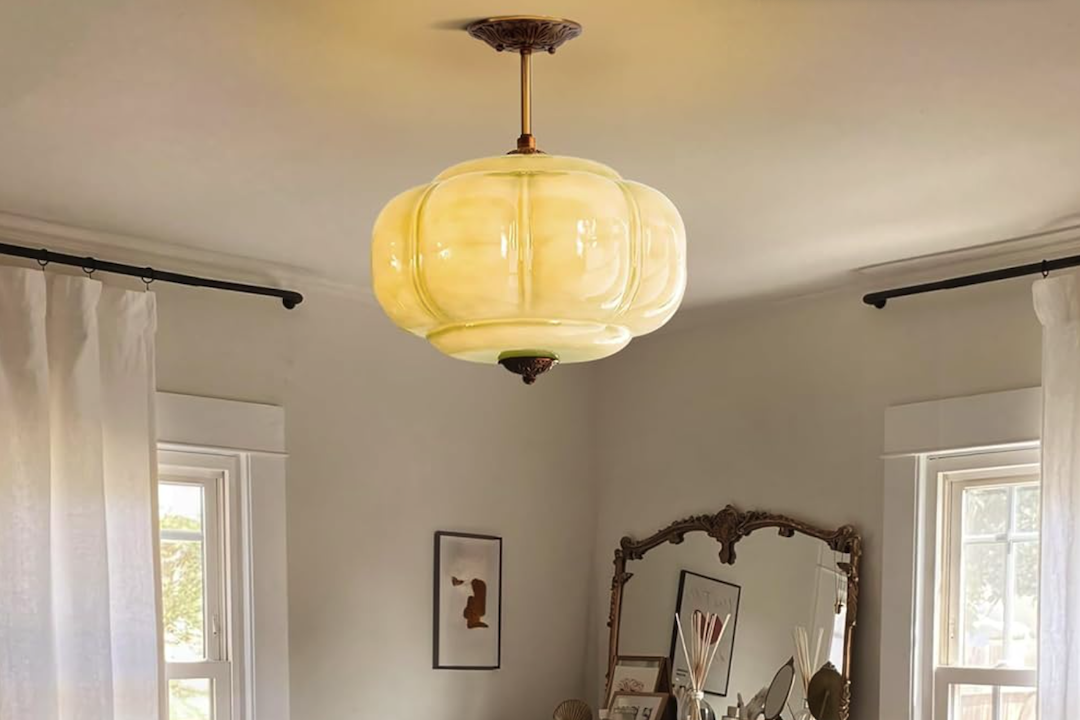
Modern parlor lighting, particularly that which incorporates vintage opal glass, represents a confluence of historical aesthetic and contemporary interior design. This article explores the characteristics, applications, and historical context of this lighting style, providing a comprehensive overview for enthusiasts and practitioners of interior design.
Opal glass, a translucent and milky-white material, has been a staple in lighting design for centuries. Its distinctive opalescence, which diffuses light uniformly, is central to its enduring appeal. This diffusion minimizes harsh glare, creating an ambient and often soothing illumination.
Material Composition and Properties
Opal glass obtains its characteristic milky appearance from the inclusion of specific opacifying agents during its manufacture. These agents, which can include bone ash, tin oxide, or fluorides, are suspended within the glass matrix, scattering light Lamolighting and preventing clear transmission. The degree of opalescence can vary, ranging from semi-transparent to nearly opaque, influencing the intensity and quality of the emitted light.
Historical Context of Opal Glass in Lighting
The use of opal glass in lighting fixtures traces back to the 19th century, coinciding with the widespread adoption of artificial illumination. Its ability to soften the stark output of early incandescent bulbs made it a preferred material for residential and public spaces. Early parlor lamps, gasoliers, and chandeliers frequently incorporated opal glass shades to produce a more agreeable light. This period solidified opal glass’s association with domestic comfort and refined aesthetics.
Redefining the Parlor: A Modern Interpretation
The term “parlor,” once denoting a formal reception room, has evolved. In contemporary design, it often refers to a welcoming living space, a reading nook, or even an entryway designed for gathering and conversation. Modern parlor lighting, therefore, aims to enhance these spaces with both functionality and a distinct aesthetic.
Bridging Eras: Vintage Aesthetics in Contemporary Design
Modern design frequently draws inspiration from historical periods, reinterpreting classic elements for contemporary sensibilities. Vintage opal glass lighting fixtures embody this trend. They introduce a sense of heritage and craftsmanship into modern interiors, acting as focal points that narrate a design story without overwhelming the space. The juxtaposition of old and new can create a dynamic and visually engaging environment.
The Role of Diffused Light in Modern Living
In an age often characterized by screen glare and harsh overhead lighting, diffused light offers a welcome respite. Opal glass fixtures excel at this, casting a soft, enveloping glow. This quality is particularly valuable in parlors or living spaces where relaxation and conversation are primary functions. The diffused light minimizes shadows and creates an even illumination that is conducive to prolonged social interaction and reading.
Key Design Elements of Modern Parlor Lighting with Vintage Opal Glass
The effective integration of vintage opal glass into modern parlor lighting relies on a careful consideration of several design elements. These elements collectively contribute to the overall aesthetic and functional success of the lighting scheme.
Fixture Styles and Forms
Modern parlor lighting with vintage opal glass manifests in a variety of fixture styles. These include:
- Pendant Lights: Often featuring single or multiple opal glass globes or conical shades suspended from the ceiling. They can serve as central ambient lighting or as task lighting over a coffee table or reading chair.
- Sconces: Wall-mounted fixtures. Opal glass sconces provide indirect or ambient light, adding depth to a room and highlighting architectural features. Their upward or downward cast can create distinct lighting effects.
- Table Lamps: Portable fixtures that offer localized illumination. Vintage opal glass table lamps, often with brass or bronze bases, can be placed on side tables or consoles, contributing to the room’s layered lighting scheme.
- Floor Lamps: Taller, often adjustable fixtures that offer broader illumination than table lamps. Opal glass floor lamps can illuminate larger areas or provide focused light for activities like reading.
- Chandeliers and Multi-Arm Fixtures: Larger, more elaborate fixtures suitable for grander parlors or living rooms. These often incorporate multiple opal glass shades or globes to distribute light across a wide area, acting as a significant visual anchor in the room.
Finishes and Materials Complementing Opal Glass
The metal finishes and accompanying materials in these fixtures play a crucial role in defining their overall character. Common choices include:
- Brass: A classic pairing with opal glass, brass offers warmth and a touch of vintage elegance. Its natural patina evolves over time, adding to its character.
- Bronze: Similar to brass, bronze provides a richer, darker tone. It can project a sense of solidity and tradition.
- Nickel and Chrome: For a more contemporary or industrial aesthetic, polished nickel or chrome can provide a sleek contrast to the softness of opal glass.
- Matte Black: A popular modern finish, matte black offers a bold, graphic contrast that allows the opal glass to stand out.
- Wood Accents: In some designs, wood elements can introduce an organic texture and a naturalistic warmth, complementing the smooth quality of the glass.
Sizing and Placement Considerations
Proper sizing and placement are paramount for effective lighting design.
- Scale: The size of the fixture should be proportionate to the room and the furniture within it. An oversized fixture can overwhelm a small parlor, while an undersized one may appear insignificant.
- Height: Pendant lights and chandeliers should be hung at a height that provides adequate illumination without obstructing views or traffic flow. For a dining area, for instance, the bottom of the fixture might be approximately 30-36 inches above the table surface.
- Layering: Effective parlor lighting often employs a layered approach, integrating ambient, task, and accent lighting. Opal glass fixtures can contribute to all three layers, depending on their type and placement. For example, a central pendant provides ambient light, while a table lamp on a side table serves as task lighting for reading.
The Aesthetic and Psychological Impact
The choice of lighting extends beyond mere illumination; it significantly influences the mood and perception of a space. Modern parlor lighting with vintage opal glass offers distinct aesthetic and psychological benefits.
Creating Ambiance and Mood
Opal glass is inherently adept at creating a specific ambiance. The diffused light it emits is often described as soft, warm, and inviting. This quality contributes to a sense of serenity and comfort, transforming a room into a sanctuary. The absence of harsh glare can reduce visual fatigue and encourage a more relaxed atmosphere, making it ideal for spaces dedicated to leisure and conversation.
The Role of Nostalgia and Heritage in Design
Vintage elements, such as opal glass, often evoke a sense of nostalgia. For some, they may recall childhood memories or a connection to history. This historical resonance can add a layer of personal meaning and depth to a design scheme. Incorporating such pieces is akin to weaving a thread of the past into the fabric of the present, enriching the overall narrative of the home. This approach respects the craftsmanship of previous eras while integrating it into current living contexts.
Visual Harmony and Contrast
The smooth, unblemished surface of opal glass provides a visual counterpoint to other textures in a room, such as rough-hewn wood, soft textiles, or metallic accents. This inherent harmony and potential for contrast allow opal glass fixtures to integrate seamlessly into diverse design styles, from minimalist to maximalist. It can act as a unifying element, drawing together disparate design elements, or as a subtle accent that elevates the overall aesthetic.
Practical Considerations for Integration and Maintenance
Integrating and maintaining vintage opal glass lighting in a modern parlor requires practical consideration. These elements ensure both the longevity of the fixtures and the safety of the interior space.
Sourcing and Authenticity
When seeking vintage opal glass fixtures, sourcing is a critical step.
- Antiquity Shops and Flea Markets: These venues can yield original vintage pieces, but vetting their condition and authenticity is crucial. Look for characteristics indicative of age, such as wiring materials (which may need updating for safety) and construction techniques.
- Specialized Dealers: Reputable dealers in vintage lighting often clean, repair, and re-wire fixtures to meet modern safety standards. They may also offer informed insights into the history and provenance of a piece.
- Reproduction vs. Original: While reproductions offer a consistent aesthetic, original vintage pieces possess a unique patina and a demonstrable history that can be appealing to collectors and design enthusiasts seeking genuine artifacts. The choice between reproduction and original often depends on budget, desired authenticity, and availability.
Electrical Compatibility and Safety Upgrades
Older fixtures, particularly those predating modern electrical codes, may require professional attention.
- Rewiring: Original wiring in vintage fixtures may be brittle, degraded, or inadequate for modern electrical loads. Professional rewiring with contemporary, insulated wire is essential for safety.
- Sockets and Connectors: Ensure that bulb sockets are intact and compatible with modern bulb types. Connectors should be robust and securely attached.
- Grounding: Modern electrical standards often require fixtures to be grounded. Vintage fixtures may lack this feature, necessitating modifications by a qualified electrician to ensure compliance and safety. This is a critical step to prevent electrical hazards.
Cleaning and Care for Opal Glass
Opal glass, while durable, benefits from appropriate cleaning and care.
- Dusting: Regular, gentle dusting with a soft, dry cloth prevents particulate buildup.
- Washing: For deeper cleaning, disconnect power to the fixture and carefully remove the glass components. Wash them in lukewarm water with a mild, non-abrasive soap. Avoid harsh chemical cleaners, which can dull the surface or damage the glass over time. Rinse thoroughly and dry completely with a lint-free cloth before reassembly.
- Handle with Care: Opal glass, like other glass types, can break if subjected to sudden impacts or extreme temperature changes. Exercise caution during handling and cleaning.
Conclusion
Modern parlor lighting, specifically when featuring vintage opal glass, offers more than mere illumination. It represents a deliberate design choice that integrates historical elegance with contemporary living. The diffusion of light, the aesthetic appeal of the material, and the historical resonance combine to create spaces that are both functional and rich in character. By understanding the material properties, historical context, design considerations, and practical implications, designers and homeowners can effectively harness the unique qualities of vintage opal glass to craft inviting and visually compelling interiors. This approach to lighting design is not simply about bright spaces; it is about crafting an atmosphere, a feeling, and a connection to design heritage.