
The evolution of pendant lighting can be traced back to the early 19th century, when gas lamps began to adorn homes and public spaces. These early fixtures were often elaborate, featuring intricate designs that reflected the craftsmanship of the era. As electricity became more widespread in the late 1800s, pendant lights transitioned from gas to electric, allowing for greater versatility in design and function.
The Art Deco movement of the 1920s and 1930s marked a significant turning point in the aesthetic of pendant lights Tomosshop, with geometric shapes and bold colors becoming popular. This period saw the emergence of streamlined designs that emphasized both form and function, setting the stage for what we now consider retro styles. The mid-20th century brought about a renewed interest in vintage aesthetics, particularly during the 1950s and 1960s.
This era was characterized by a playful approach to design, with bright colors and whimsical shapes dominating the market. Pendant lights from this time often featured materials such as plastic and glass, showcasing innovative manufacturing techniques. The retro revival of the late 20th century further solidified the popularity of these designs, as homeowners sought to incorporate nostalgic elements into their modern spaces.
Today, retro pendant lights are celebrated not only for their historical significance but also for their ability to add character and charm to contemporary interiors.
Choosing the Right Retro Pendant Light for Your Bathroom
Selecting the perfect retro pendant light for your bathroom involves considering several factors, including size, style, and functionality. The dimensions of your bathroom play a crucial role in determining the appropriate scale of the pendant light. A small bathroom may benefit from a single, compact pendant that draws the eye without overwhelming the space, while larger bathrooms can accommodate multiple fixtures or larger designs that serve as focal points.
It’s essential to measure the height of your ceiling and the available space above sinks or vanities to ensure that your chosen light fixture hangs at an appropriate height. Style is another critical consideration when choosing a retro pendant light. The term “retro” encompasses a wide range of design influences, from mid-century modern to industrial chic.
For instance, if your bathroom features clean lines and minimalist decor, a sleek, metallic pendant with a polished finish may complement the aesthetic beautifully. Conversely, if your space is more eclectic or vintage-inspired, you might opt for a pendant with colorful glass shades or ornate detailing. Additionally, consider how the light fixture will coordinate with other elements in your bathroom, such as cabinetry, tiles, and fixtures, to create a cohesive look.
Installation Tips for Retro Pendant Lights
Installing retro pendant lights can be a straightforward process if approached with careful planning and attention to detail. Before beginning installation, it’s essential to turn off the power at the circuit breaker to ensure safety during the process. If you’re replacing an existing fixture, remove it carefully by unscrewing any mounting hardware and disconnecting the wiring.
When installing a new pendant light, ensure that you have all necessary tools on hand, including a screwdriver, wire strippers, and electrical tape. Once you’ve prepared the area, follow the manufacturer’s instructions for mounting the fixture. Typically, this involves attaching a mounting bracket to the ceiling and connecting the electrical wires from the pendant light to those in your ceiling.
It’s crucial to match the wires correctly—usually black to black (or red), white to white, and green or copper for grounding. After securing all connections with wire nuts and wrapping them with electrical tape for added safety, carefully tuck the wires into the junction box and attach the pendant light to the mounting bracket. Finally, restore power at the circuit breaker and test your new light fixture to ensure it operates correctly.
Incorporating Retro Pendant Lights into Your Bathroom Design
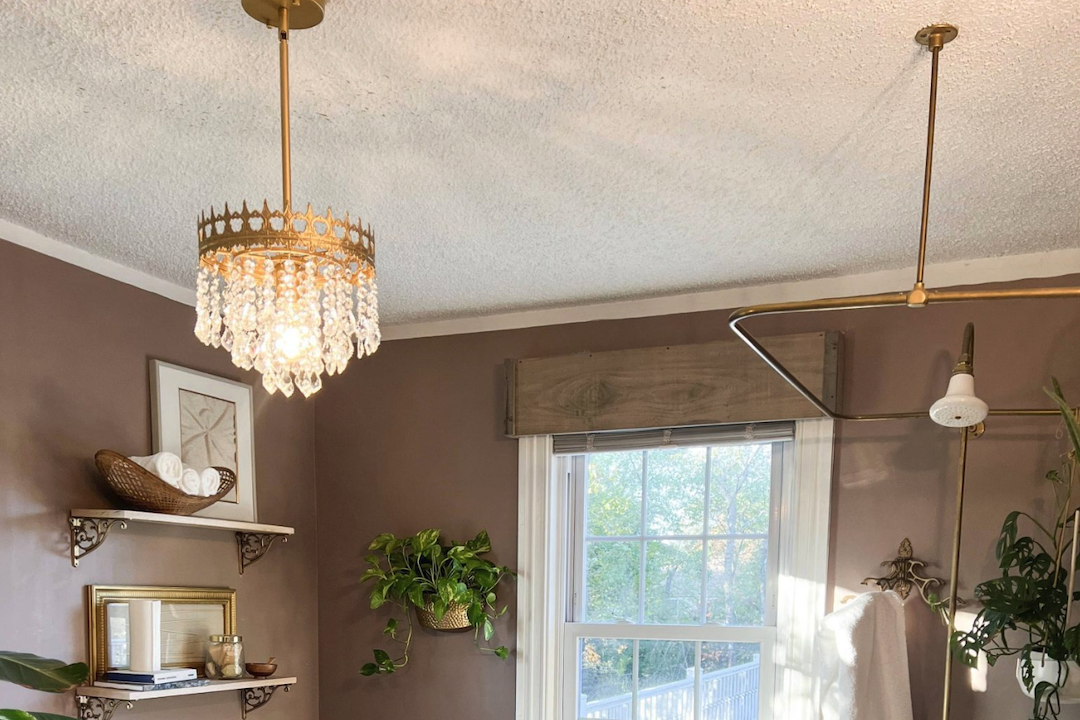
Integrating retro pendant lights into your bathroom design can enhance both functionality and aesthetics. One effective approach is to use pendant lights as statement pieces above vanities or sinks. This not only provides essential task lighting for grooming activities but also adds an artistic touch that elevates the overall design of the space.
For instance, a cluster of small retro pendants can create a visually striking arrangement that draws attention while providing ample illumination. Another way to incorporate retro pendant lights is by using them in conjunction with other lighting sources. Layering different types of lighting—such as recessed lights, sconces, and natural light from windows—can create a well-balanced atmosphere in your bathroom.
Retro pendants can serve as accent lighting that complements these other sources while adding depth and dimension to the room. Additionally, consider using dimmable bulbs in your retro pendants to allow for adjustable lighting levels, making it easy to create a relaxing ambiance during bath time or an energizing atmosphere during morning routines.
Maintenance and Cleaning of Retro Pendant Lights
Maintaining retro pendant lights is essential for preserving their beauty and functionality over time. Regular cleaning helps prevent dust buildup and ensures that light fixtures continue to emit bright, clear illumination. Depending on the materials used in your pendant light—such as glass, metal, or fabric—the cleaning methods may vary.
For glass shades, a simple solution of warm water and mild dish soap can effectively remove grime without damaging the surface. Use a soft cloth or sponge to gently wipe down the exterior and interior surfaces, taking care not to scratch any delicate finishes. For metal components, such as brass or chrome finishes commonly found in retro designs, it’s important to use appropriate cleaning products that won’t tarnish or corrode the material.
A microfiber cloth dampened with a mixture of vinegar and water can help restore shine without causing damage. If your pendant light features intricate details or hard-to-reach areas, consider using a soft-bristled brush to dislodge dust from crevices. Regular maintenance not only keeps your retro pendant lights looking their best but also extends their lifespan by preventing wear and tear.
Energy Efficiency and Retro Pendant Lights
As energy efficiency becomes increasingly important in modern design considerations, retro pendant lights have adapted to meet these demands without sacrificing style. Many contemporary retro-inspired fixtures are designed to accommodate energy-efficient bulbs such as LED or CFL options. These bulbs consume significantly less energy than traditional incandescent bulbs while providing comparable brightness levels.
By choosing energy-efficient lighting solutions for your retro pendants, you can reduce your carbon footprint while enjoying beautiful illumination in your bathroom. In addition to selecting energy-efficient bulbs, consider incorporating smart lighting technology into your retro pendant fixtures. Smart bulbs allow you to control brightness levels remotely via smartphone apps or voice commands, enabling you to customize your lighting experience based on your needs and preferences.
This level of control not only enhances convenience but also promotes energy savings by allowing you to turn off lights when they are not needed or adjust brightness levels according to time of day or activity.
Safety Considerations for Retro Pendant Lights in the Bathroom
When installing retro pendant lights in a bathroom setting, safety should always be a top priority due to the unique challenges posed by moisture and humidity. Bathrooms are classified as wet or damp locations according to electrical codes, which means that specific guidelines must be followed when selecting and installing light fixtures. It’s crucial to choose pendant lights that are rated for use in damp environments; these fixtures are designed with materials and finishes that can withstand exposure to moisture without deteriorating.
Additionally, proper placement of pendant lights is essential for minimizing safety risks. Fixtures should be installed at a height that prevents accidental contact with water sources such as sinks or bathtubs. Furthermore, consider using GFCI (Ground Fault Circuit Interrupter) outlets for any electrical connections in bathrooms; these devices automatically cut off power if they detect an imbalance in electrical current, providing an added layer of protection against electrical shock.
Where to Find Retro Pendant Lights for Your Bathroom
Finding the perfect retro pendant lights for your bathroom can be an enjoyable journey through various retail options available today. Home improvement stores often carry a selection of lighting fixtures that include both contemporary and vintage-inspired designs. These stores provide an opportunity to see fixtures in person before making a purchase decision while also offering knowledgeable staff who can assist with questions regarding installation or compatibility with existing decor.
Online retailers have also become increasingly popular for sourcing unique retro pendant lights. Websites like Etsy feature handmade and vintage items from independent sellers, allowing you to discover one-of-a-kind pieces that reflect your personal style. Additionally, larger e-commerce platforms such as Amazon or Wayfair offer extensive catalogs of lighting options from various brands at competitive prices.
When shopping online, be sure to read customer reviews and check return policies to ensure satisfaction with your purchase. In conclusion, retro pendant lights offer a blend of historical charm and modern functionality that can enhance any bathroom design. By understanding their history, choosing appropriate styles, ensuring safe installation practices, maintaining them properly, considering energy efficiency options, and knowing where to find them, homeowners can successfully incorporate these beautiful fixtures into their spaces while enjoying both aesthetic appeal and practical benefits.